UEG's content platform for gastroenterology education bringing recordings, courses, guidelines, and more together in one place.
Trending on Gutflix
Rate for better recommendations!
Your feedback helps us show you more of what you like and less of what you dislike!
Log in to continue.
This content is part of Gutflix. Log in with your myUEG account, or create one free, to watch it.
Not sure what you can access? Learn more about account types.
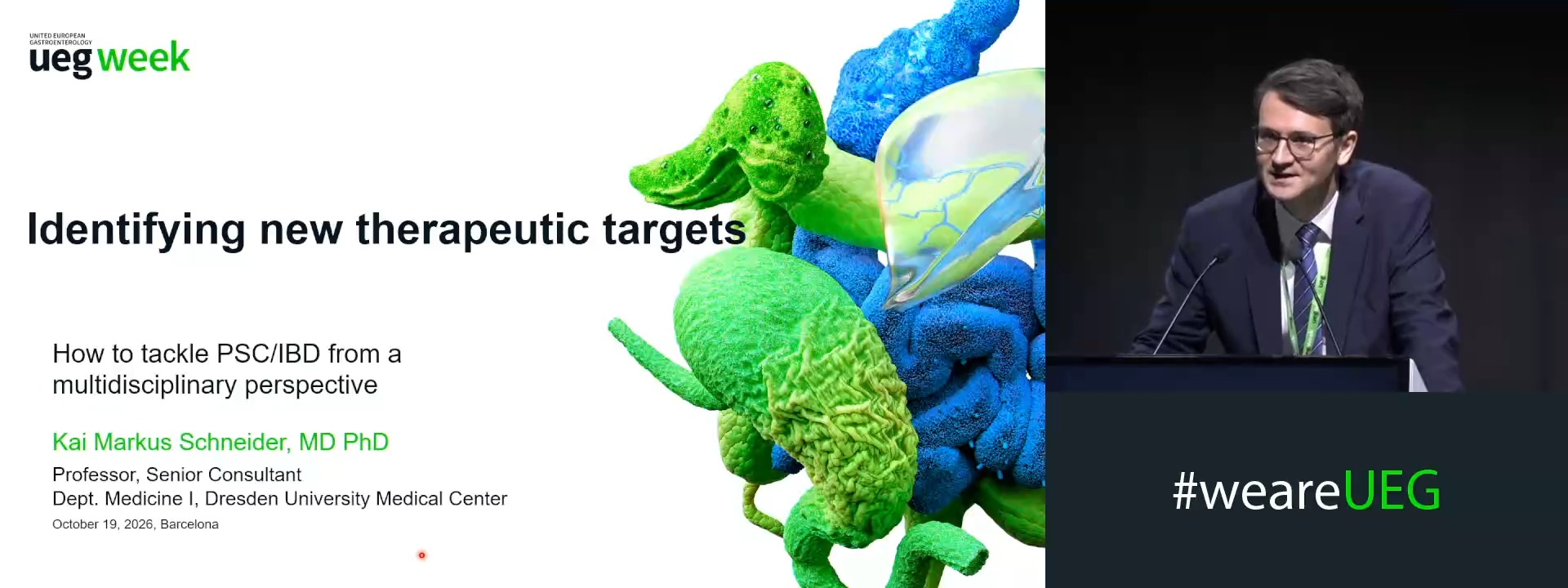
Identifying new therapeutic targets
Affiliations
1 Dresden University Medical Center, Dresden, Germany
Log in to continue.
This content is part of Gutflix. Log in with your myUEG account, or create one free, to watch it.
Not sure what you can access? Learn more about account types.
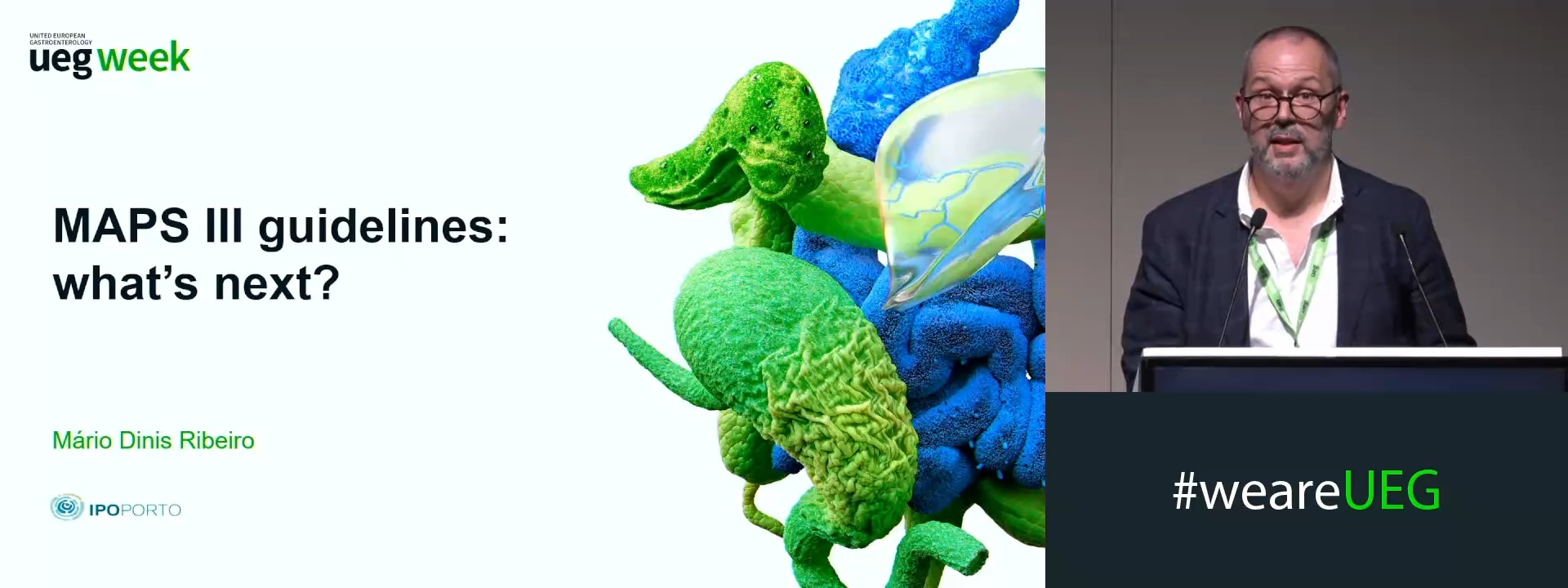
MAPS III guidelines: What’s next?
Affiliations
1 IPO Porto, Porto, Portugal
Log in to continue.
This content is part of Gutflix. Log in with your myUEG account, or create one free, to watch it.
Not sure what you can access? Learn more about account types.
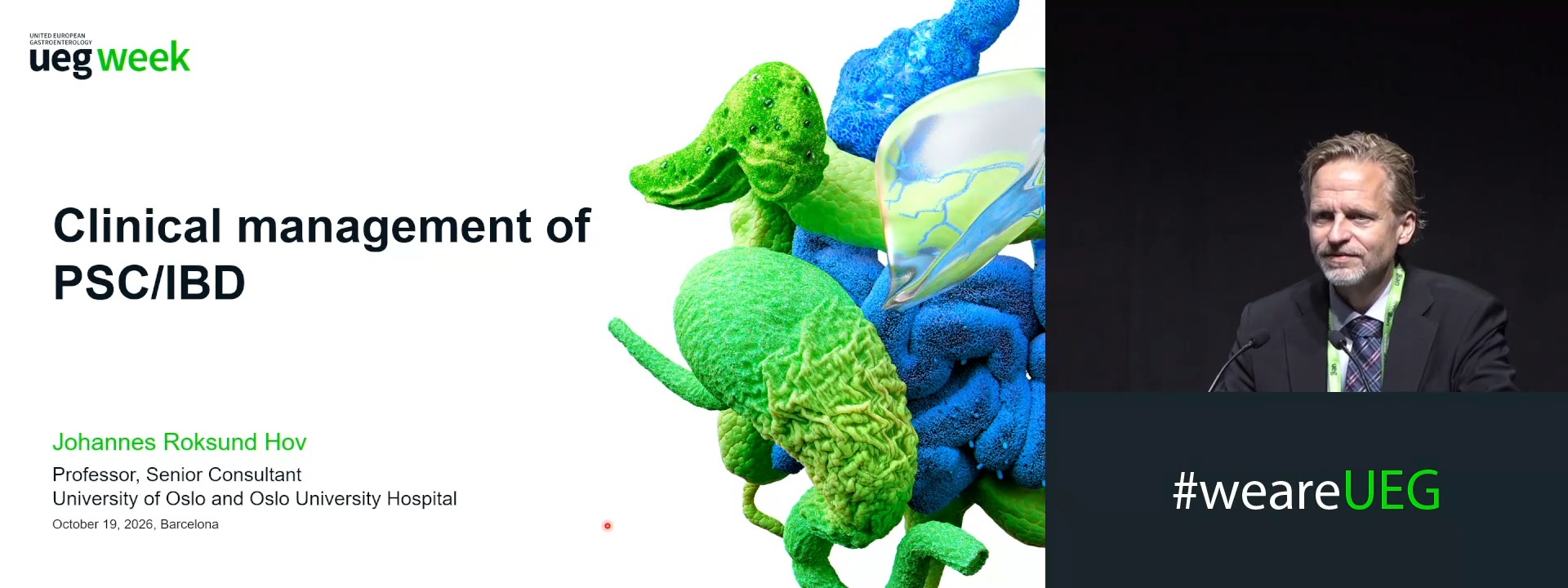
Clinical management of PSC/IBD
Affiliations
1 Oslo University Hospital Rikshospitalet - Norwegian PSC Research Center, Oslo University Hospital Ri, Oslo, Norway
Log in to continue.
This content is part of Gutflix. Log in with your myUEG account, or create one free, to watch it.
Not sure what you can access? Learn more about account types.
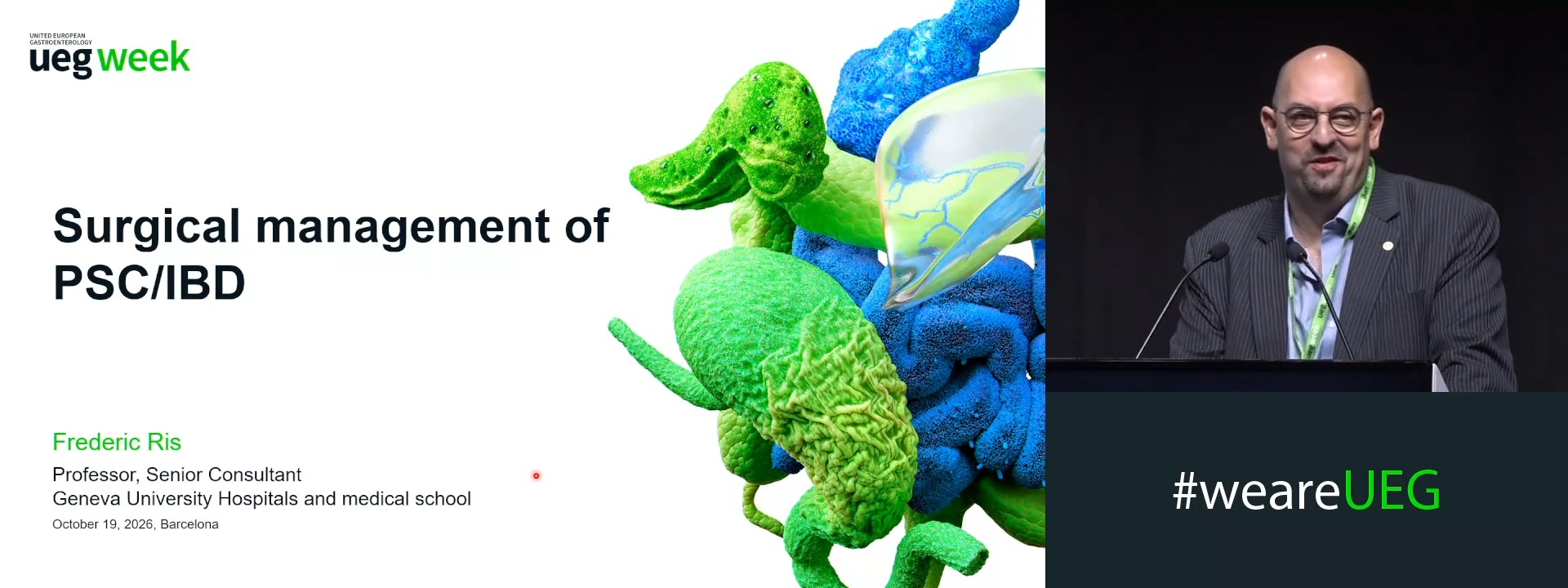
Surgical management of PSC/IBD
Affiliations
1 Geneva University Hospitals, Geneva, Switzerland
Log in to continue.
This content is part of Gutflix. Log in with your myUEG account, or create one free, to watch it.
Not sure what you can access? Learn more about account types.
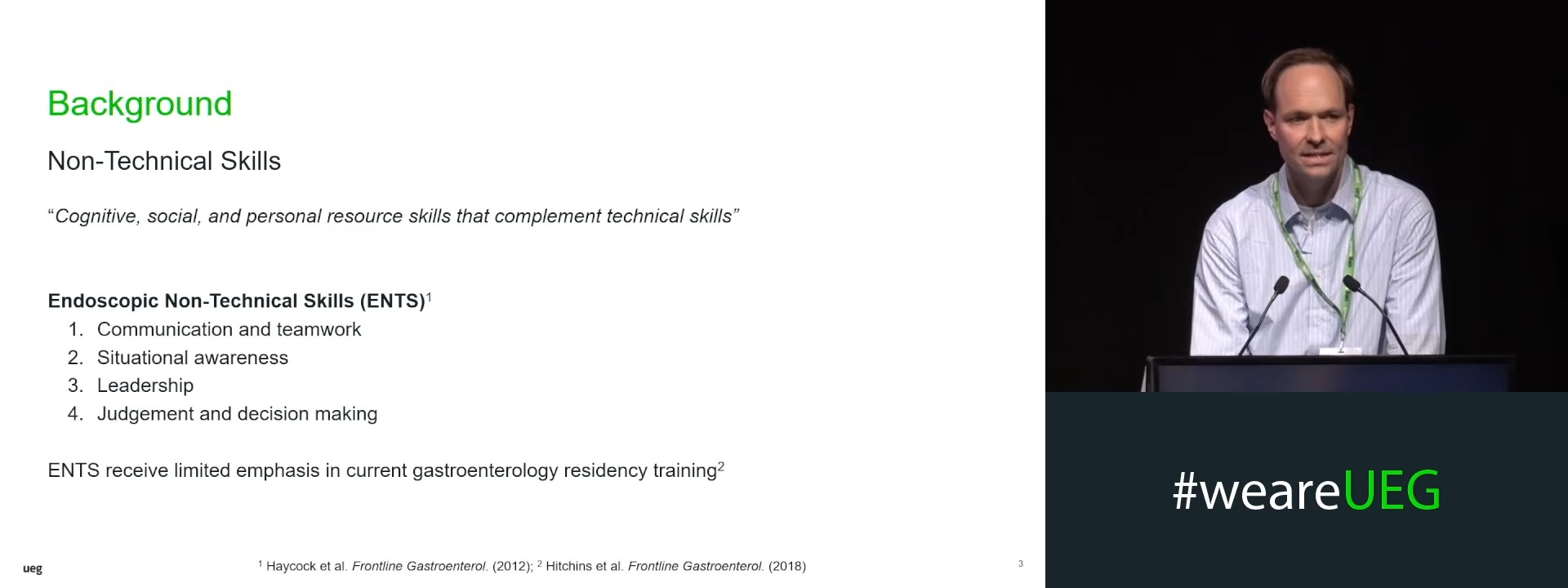
ENDOSCOPY NURSES AS EDUCATORS: ADVANCING RESIDENTS’ ENDOSCOPIC NON-TECHNICAL SKILLS THROUGH INTERPROFESSIONAL LEARNING
Robert Mousset 1, Wouter De Vos Tot Nederveen Cappel 2, Jurjen J. Boonstra 3, P.L.P. Brand 2, Alexandra Langers 4
Affiliations
1 University Medical Center Groningen, Groningen, Netherlands
2 Isala Clinics, Zwolle, Netherlands
3 Leids University Medical Center, Leiden, Netherlands
4 Leiden University Medical Center, Leiden, Netherlands