UEG Week Recordings UEG Week Posters Online courses Guidelines Mistakes in... Podcasts Webinars
Visit ueg.eu Create myUEG account Log In

Filters:

UEG Mistakes In Articles
Share via Email Share on Facebook Share on X Share on LinkedIn Share on Bluesky

Log in to access this content.

Free for all myUEG account holders. Your access level is set automatically based on your occupation. Medical professionals get full access to all content. If you are a non-medical user, you can only access UEG Week content from congresses you attended.

Log In Create a free account

Not sure what you can access? Learn more about account types.
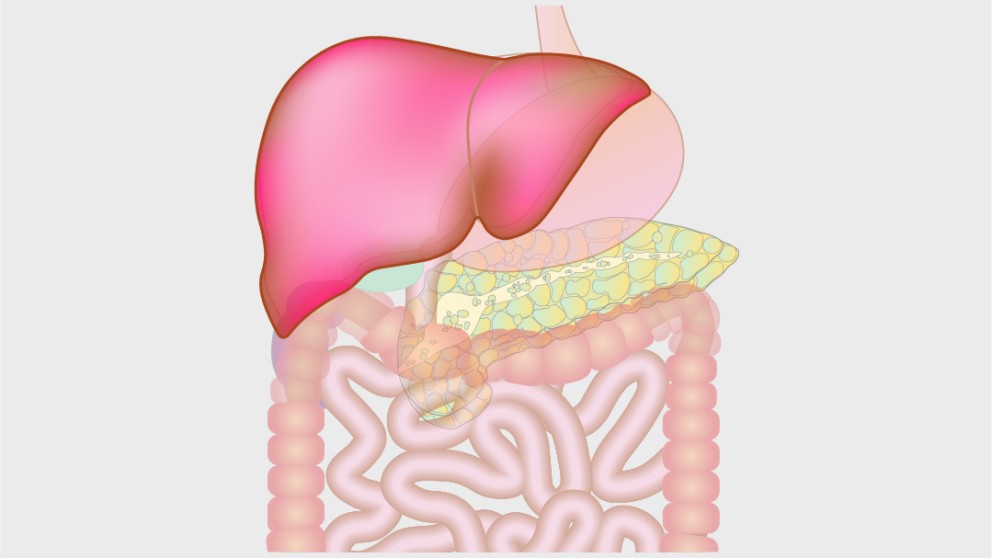
Liver function tests (LFTs) are routinely used to screen for liver disease. A correct interpretation of LFT abnormalities may suggest the cause, severity, and prognosis of an underlying disease. Once the diagnosis has been established, sequential LFT assessment can be used to assess treatment efficacy. Abnormal LFTs are frequently encountered in clinical practice, since elevation of at least one LFT occurs in more than 20% of the population.1 Many patients with abnormal LFTs, however,  do not suffer from structural liver disease, since these tests can be influenced by factors unrelated to significant liver damage or liver function loss. During normal pregnancy, for example, serum albumin levels fall due to plasma volume expansion, and alkaline phosphatase (ALP) levels rise due to placental influx. Patients who have elevated transaminase levels may not suffer from liver disease, but rather from cardiac or skeletal muscle damage. Conversely, patients who suffer from advanced liver disease, such as chronic hepatitis or compensated liver cirrhosis, may have normal LFTs.

Mistakes in liver function test abnormalities and how to avoid them

Mistakes in liver function test abnormalities and how to avoid them

Eric T.T.L. Tjwa, Joost Drenth, Frans Cuperus

Topics

Hepatobiliary

Citation

Cuperus FJC, Drenth JPH and Tjwa ET. Mistakes in liver function test abnormalities and how to avoid them. UEG Education 2017: 17; 1–5.

Published

2017
UEG Mistakes In Articles
Share via Email Share on Facebook Share on X Share on LinkedIn Share on Bluesky

Log in to access this content.

Free for all myUEG account holders. Your access level is set automatically based on your occupation. Medical professionals get full access to all content. If you are a non-medical user, you can only access UEG Week content from congresses you attended.

Log In Create a free account

Not sure what you can access? Learn more about account types.

Hepatitis C virus (HCV) infection remains an important global health concern. It is estimated that there are approximately 50 million people infected with HCV globally, with around 1 million new infections each year and about 242,000 deaths annually attributed to HCV-related complications. Most acute HCV infections (55–85%) become chronic due to the virus’s effective evasion strategies, with spontaneous clearance being rare once chronicity is established. This condition often progresses silently, with many individuals unaware of their infection until advanced liver damage has occurred. If left untreated, HCV can lead to severe complications, including liver cirrhosis and hepatocellular carcinoma (HCC). HCV transmission occurs mainly through percutaneous exposure to infected blood. HCV can also spread from mother to infant (vertical transmission) and, less frequently, via sexual contact.1,2 In recent years, the introduction of oral direct-acting antivirals (DAAs), with remarkable safety and effectiveness profiles, has led to a sustained virological response (SVR) in virtually all (>97%) HCV-infected patients, regardless of HCV genotype or disease stage. However, significant barriers remain, such as issues with diagnosis, access to treatment and awareness of the disease.

Here, we discuss some of the misconceptions in HCV management and provide a practical management approach grounded in evidence and clinical experience.

Mistakes in hepatitis C and how to avoid them

Mistakes in hepatitis C and how to avoid them

Ana Catarina Garcia, Gonçalo Alexandrino

Topics

Hepatobiliary

Citation

Garcia A.C and Alexandrino G. Mistakes in hepatits C and how to avoid them. UEG Education 2025; 25: 14-17.

Published

2025
UEG Standards and Guidelines
Consensus
Share via Email Share on Facebook Share on X Share on LinkedIn Share on Bluesky

Log in to access this content.

Free for all myUEG account holders. Your access level is set automatically based on your occupation. Medical professionals get full access to all content. If you are a non-medical user, you can only access UEG Week content from congresses you attended.

Log In Create a free account

Not sure what you can access? Learn more about account types.

ABSTRACT

Introduction

Chronic nausea and vomiting are symptoms of a wide range of gastrointestinal and non-gastrointestinal conditions. Diagnosis can be challenging and requires a systematic and well-structured approach. If the initial investigation for structural, toxic and metabolic disorders is negative, digestive motility and gut-brain interaction disorders should be assessed. United European Gastroenterology (UEG) and the European Society for Neurogastroenterology and Motility (ESNM) identified the need for an updated, evidence-based clinical guideline for the management of chronic nausea and vomiting.

Methods

A multidisciplinary team of experts in the field, including European specialists and national societies, participated in the development of the guideline. Relevant questions were addressed through a literature review and statements were developed and voted on according to a Delphi process.

Results

Ninety-eight statements were identified and voted following the Delphi process. Overall agreement was high, although the grade of scientific evidence was low in many areas. Disagreement was more evident for some pharmacological treatment options. A diagnostic algorithm was developed, focussing on the differentiating features between gastrointestinal motility and gut-brain interaction disorders with predominant nausea and vomiting.

Conclusion

These guidelines provide an evidence-based framework for the evaluation and treatment of patients with chronic nausea and vomiting.

European Guideline on Chronic Nausea and Vomiting—A UEG and ESNM Consensus for Clinical Management

European Guideline on Chronic Nausea and Vomiting—A UEG and ESNM Consensus for Clinical Management

Carolina Malagelada

Publisher

European Society of Neurogastroenterology and Motility logo
European Society of Neurogastroenterology and Motility

Guideline

Consensus

Topics

Neurogastroenterology & Motility Paediatrics Primary Care Stomach & H. Pylori

Citation

United European Gastroenterol J.

Published

2025
Login to access
UEG Standards and Guidelines
Consensus
Share via Email Share on Facebook Share on X Share on LinkedIn Share on Bluesky

Log in to access this content.

Free for all myUEG account holders. Your access level is set automatically based on your occupation. Medical professionals get full access to all content. If you are a non-medical user, you can only access UEG Week content from congresses you attended.

Log In Create a free account

Not sure what you can access? Learn more about account types.
ABSTRACT

Dysphagia is a prevalent symptom of the upper gastrointestinal tract causing health related consequences, impacting quality of life and is associated with global economic burden. Swallowing difficulties are classified into oropharyngeal dysphagia (OD) and esophageal dysphagia. Despite its clinical importance, dysphagia is associated with several uncertainties regarding its optimal diagnostic work-up and management, particularly, considering the progress with diagnostic modalities and technologies. A Delphi consensus was performed with experts from various disciplines who conducted a literature summary and voting process on 41 statements. Quality of evidence was evaluated using the grading of recommendations, assessment, development, and evaluation criteria. Consensus was reached for all the statements. The panel agreed with the definition and prevalence of esophageal and OD types. The role of endoscopy, high-resolution manometry, EndoFLIP, barium swallow and other imaging tests in evaluating esophageal dysphagia has reached overall strong agreement. Videofluoroscopic swallow study, alongside fiber-endoscopic evaluation of swallowing, as the methods of choice for the instrumental assessment of oropharyngeal dysfunction is a strong recommendation. Regarding treatment, a weak recommendation was achieved for the use of PPIs, calcium-channel blockers, nitrates, phosphodiesterase type 5 inhibitors, antidepressants or peppermint oil for the treatment of hypercontractile esophagus. A strong recommendation exists for endoscopic and surgical treatment of achalasia, while a weak recommendation is provided for other esophageal motility disorders. Regarding OD, a weak recommendation was achieved for swallow therapy, to improve swallowing mechanics, reduce symptoms, and enhance quality of life. Swallow therapy could be more effective when using validated assessment tools, consistent treatment parameters, and considering long-term follow-up. A multinational group of European experts summarized the current state of consensus on the definition, diagnosis, and management of dysphagia.

Esophageal and Oropharyngeal Dysphagia: Clinical Recommendations From the United European Gastroenterology and European Society for Neurogastroenterology and Motility

Esophageal and Oropharyngeal Dysphagia: Clinical Recommendations From the United European Gastroenterology and European Society for Neurogastroenterology and Motility

Amir Mari

Publisher

European Society of Neurogastroenterology and Motility logo
European Society of Neurogastroenterology and Motility

Guideline

Consensus

Topics

Neurogastroenterology & Motility Oesophagus

Citation

United European Gastroenterol J, 13: 855-901

Published

2025
Login to access
UEG Mistakes In Articles
Share via Email Share on Facebook Share on X Share on LinkedIn Share on Bluesky

Log in to access this content.

Free for all myUEG account holders. Your access level is set automatically based on your occupation. Medical professionals get full access to all content. If you are a non-medical user, you can only access UEG Week content from congresses you attended.

Log In Create a free account

Not sure what you can access? Learn more about account types.

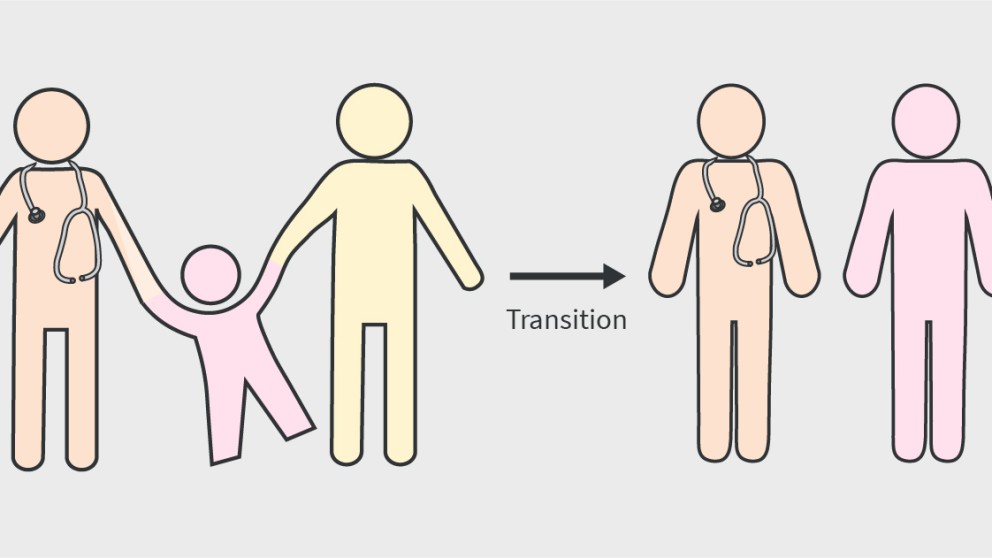
Children and adolescents with chronic diseases requiring lifelong care face unique challenges that affect their daily lives and those of their families. Initially, these patients receive specialized care in pediatric facilities, where parents play a key role in treatment decisions. However, transitioning to adult healthcare facilities is inevitable, and this process, recognized as crucial years ago, involves moving adolescents with chronic conditions from child-centered to adult-oriented care. This transition can be complicated by varying age limits for pediatric care and the scarcity of adult care centers with specific expertise. The transition often requires cooperation between different centers or even countries due to patient mobility. The transition phase is critical, as it can lead to loss of follow-up, treatment suspension, and increased risks of complications or disease relapse. Beyond medical management, various factors influence the long-term prognosis of chronic conditions, making a well-organized transition program essential. While many hospitals have implemented transition models with mixed results in satisfaction, disease control, and follow-up adherence, there are frequent shortcomings in the process. This Mistakes In article will outline eight common mistakes made during the transition from pediatric to adult care, supported by literature and professional experience.

Mistakes in transitional care for children and young adults and how  to avoid them

Mistakes in transitional care for children and young adults and how to avoid them

Patrizia Burra, Hans Törnblom, Jorge Amil Dias, Moriam Mustapha

Topics

Primary Care

Citation

Jorge Amil-Dias, Hans Törnblom, Moriam Mustapha and Patrizia Burra. Mistakes in transitional care for children and young adults and how to avoid them. UEG Education 2023; 23: 22-25.

Published

2023
UEG Standards and Guidelines
Clinical Practice Guideline
Share via Email Share on Facebook Share on X Share on LinkedIn Share on Bluesky

Log in to access this content.

Free for all myUEG account holders. Your access level is set automatically based on your occupation. Medical professionals get full access to all content. If you are a non-medical user, you can only access UEG Week content from congresses you attended.

Log In Create a free account

Not sure what you can access? Learn more about account types.

Abstract

Background

New evidence has emerged since latest guidelines on the management of paraesophageal hernia, and guideline development methodology has evolved. Members of the European Association for Endoscopic Surgery have prioritized the management of paraesophageal hernia to be addressed by pertinent recommendations.

Objective

To develop evidence-informed clinical practice recommendations on paraesophageal hernias, through evidence synthesis and a structured evidence-to-decision framework by an interdisciplinary panel of stakeholders.

Methods

We performed three systematic reviews, and we summarized and appraised the certainty of the evidence using the GRADE methodology. A panel of general and upper gastrointestinal surgeons, gastroenterologists and a patient advocate discussed the evidence in the context of benefits and harms, the certainty of the evidence, acceptability, feasibility, equity, cost and use of resources, moderated by a Guidelines International Network-certified master guideline developer and chair. We developed the recommendations in a consensus meeting, followed by a modified Delphi survey.

Results

The panel suggests surgery over conservative management for asymptomatic/minimally symptomatic paraesophageal hernias (conditional recommendation), and recommends conservative management over surgery for asymptomatic/minimally symptomatic paraesophageal hernias in frail patients (strong recommendation). Further, the panel suggests mesh over sutures for hiatal closure in paraesophageal hernia repair, fundoplication over gastropexy in elective paraesophageal hernia repair, and gastropexy over fundoplication in patients who have cardiopulmonary instability and require emergency paraesophageal hernia repair (conditional recommendation). A strong recommendation means that the proposed course of action is appropriate for the vast majority of patients. A conditional recommendation means that most patients would opt for the proposed course of action, and joint decision-making of the surgeon and the patient is required. Accompanying evidence summaries and evidence-to-decision frameworks should be read when using the recommendations. This guideline applies to adult patients with moderate to large paraesophageal hernias type II to IV with at least 50% of the stomach herniated to the thoracic cavity. The full guideline with user-friendly decision aids is available in https://app.magicapp.org/#/guideline/j7q7Gn.

Conclusion

An interdisciplinary panel provides recommendations on key topics on the management of paraesophageal hernias using highest methodological standards and following a transparent process.

Guideline registration number

PREPARE-2023CN018.

Keywords: Paraesophageal hernia, Hiatal hernia, Diaphragmatic hernia, Mesh, Guidelines

EAES Multidisciplinary Rapid Guideline: systematic review, meta-analysis, GRADE assessment and evidence-informed recommendations on the surgical management of paraesophageal hernias

EAES Multidisciplinary Rapid Guideline: systematic review, meta-analysis, GRADE assessment and evidence-informed recommendations on the surgical management of paraesophageal hernias

Sheraz Markar

Publisher

European Association for Endoscopic Surgery and other interventional techniques logo
European Association for Endoscopic Surgery and other interventional techniques

Guideline

Clinical Practice Guideline

Topics

Oesophagus Stomach & H. Pylori Surgery

Citation

Surg Endosc 37, 9013–9029 (2023)

Published

2023
Login to access
UEG Standards and Guidelines
Clinical Practice Guideline
Share via Email Share on Facebook Share on X Share on LinkedIn Share on Bluesky

Log in to access this content.

Free for all myUEG account holders. Your access level is set automatically based on your occupation. Medical professionals get full access to all content. If you are a non-medical user, you can only access UEG Week content from congresses you attended.

Log In Create a free account

Not sure what you can access? Learn more about account types.

Background

The global incidence of colorectal cancer (CRC) continues to increase, accompanied by improvements in overall and disease-specific survival. Consequently, there are about 5 million survivors of CRC worldwide, with a range of unmet needs affecting physical, psychological, and social functioning. Gastrointestinal dysfunction is a common problem following surgical treatment for CRC, with a reported incidence of up to 50% at 10 years post-operatively. It presents with a constellation of symptoms, including abdominal pain and distension and variable bowel habits (e.g. constipation, diarrhoea, fragmentation), all of which require different management strategies. These long-term sequelae can have a significant impact on patients' overall well-being and quality of life (QoL). Recent studies have shown that a specific cause for gastrointestinal symptoms was found in 80% of patients when examined in a clinic dedicated to late sequelae after colorectal surgery. Additionally, 70% of these patients experienced improvement after treatment. Similar outcomes were observed in a nurse-led clinic, highlighting the clinical and socio-economic value of recognising and addressing of these complications.

Guideline for the assessment and management of gastrointestinal symptoms following colorectal surgery—A UEG/ESCP/EAES/ESPCG/ESPEN/ESNM/ESSO collaboration. Part I—Sequelae to oncological diseases

Guideline for the assessment and management of gastrointestinal symptoms following colorectal surgery—A UEG/ESCP/EAES/ESPCG/ESPEN/ESNM/ESSO collaboration. Part I—Sequelae to oncological diseases

Anke Gielen

Publishers

European Society of Neurogastroenterology and Motility logoThe European Society for Clinical Nutrition and Metabolism logoEuropean Association for Endoscopic Surgery and other interventional techniques logoEuropean Society for Primary Care Gastroenterology logoEuropean Society for Coloproctology logo
European Society of Neurogastroenterology and Motility, The European Society for Clinical Nutrition and Metabolism, European Association for Endoscopic Surgery and other interventional techniques, European Society for Primary Care Gastroenterology, European Society for Coloproctology

Guideline

Clinical Practice Guideline

Topics

Surgery Colorectal

Citation

Online First: United European Gastroenterol J.

Published

2024
Login to access

The global reference point for the digestive health community

Platform Publisher

United European Gastroenterology

Wickenburggasse 1 1080 Vienna, Austria

Contact us

support@ueg.eu

ueg.eu

T: +43 1 997 1639

Legal

Terms & Conditions

Imprint

Privacy Policy

Explore

My Bookmarks

My recommendations

My fields of interest

© 2026 United European Gastroenterology

Change fields of interest

These fields are selected based on the interests in your myUEG profile.
Click the item to unselect it. You can select multiple items.