UEG's content platform for gastroenterology education bringing recordings, courses, guidelines, and more together in one place.
Trending on Gutflix
Rate for better recommendations!
Your feedback helps us show you more of what you like and less of what you dislike!
Log in to continue.
This content is part of Gutflix. Log in with your myUEG account, or create one free, to watch it.
Not sure what you can access? Learn more about account types.
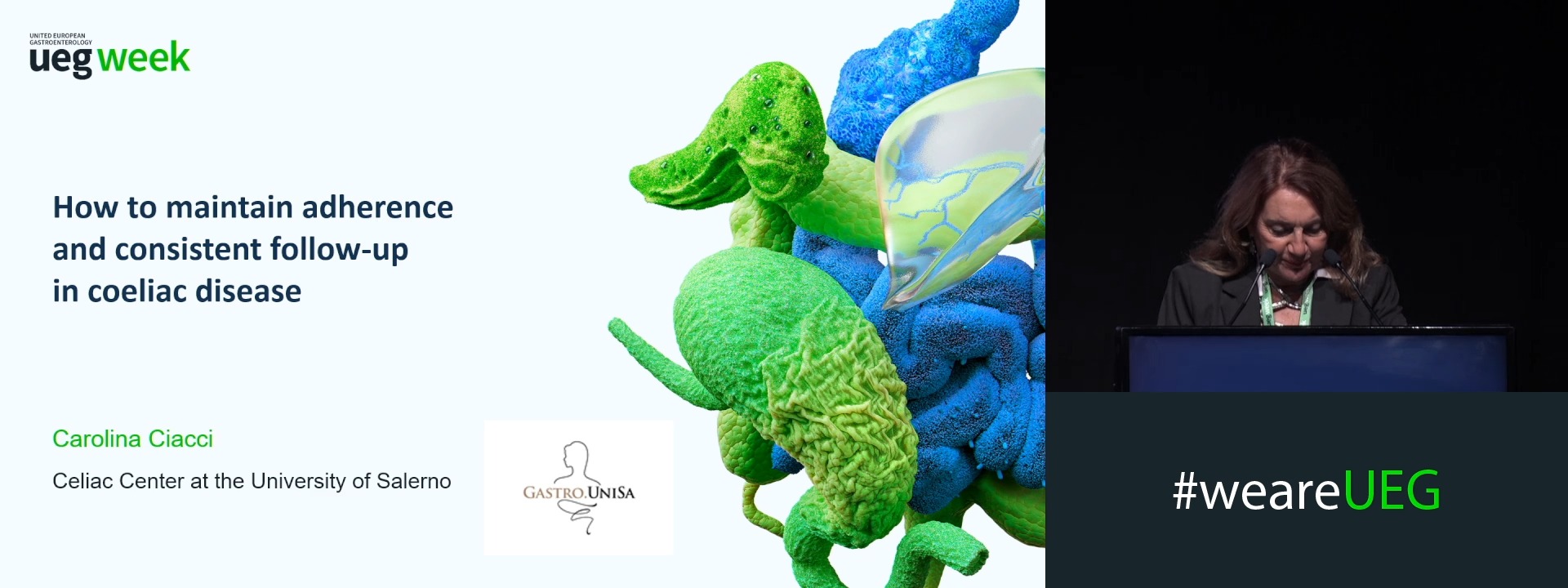
How to maintain adherence and consistent follow-up in coeliac disease
Affiliations
1 University of Salerno, Salerno, Italy

Log in to continue.
This content is part of Gutflix. Log in with your myUEG account, or create one free, to watch it.
Not sure what you can access? Learn more about account types.
Q&A: Comparative discussion: Choosing the right tool for the right patient
Log in to continue.
This content is part of Gutflix. Log in with your myUEG account, or create one free, to watch it.
Not sure what you can access? Learn more about account types.
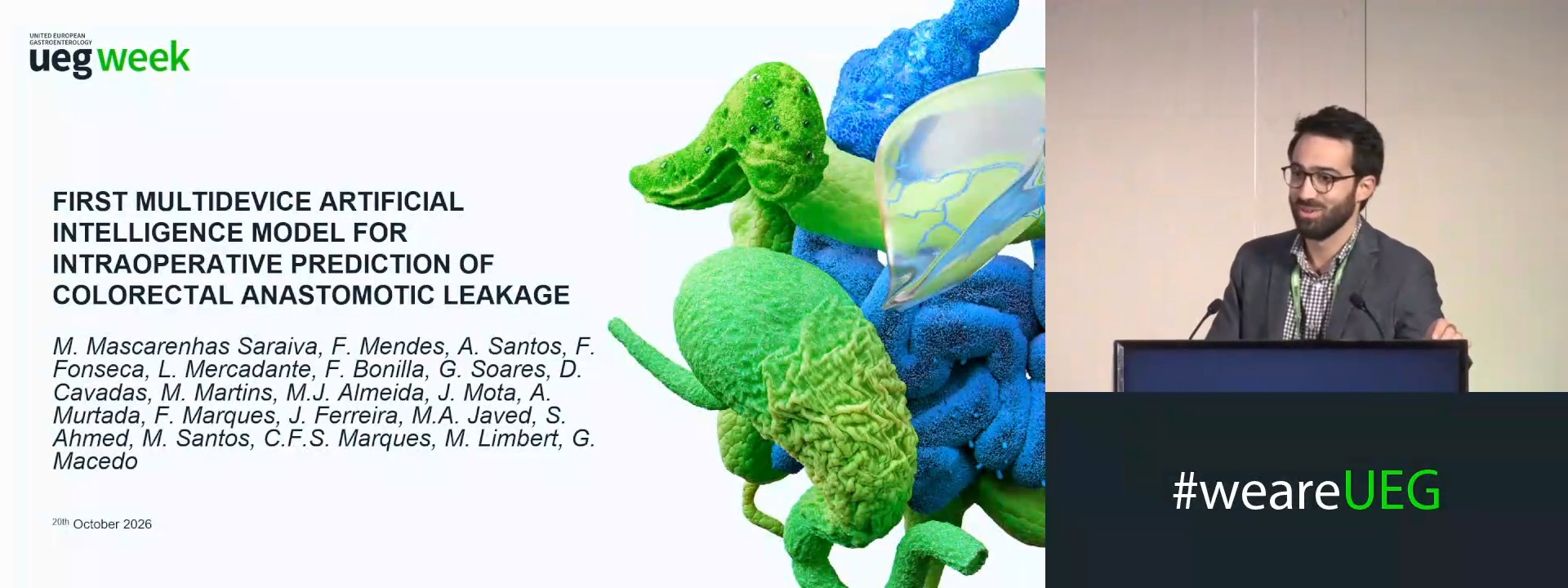
FIRST MULTIDEVICE ARTIFICIAL INTELLIGENCE MODEL FOR INTRAOPERATIVE PREDICTION OF COLORECTAL ANASTOMOTIC LEAKAGE
Miguel Mascarenhas-Saraiva 1, Francisco Mendes 1, André Martins dos Santos 1, Filipa Fonseca 1, Larissa Mercadante de Assis 2, Felix Bonilla 2, Gonçalo Soares 3, Daniela Cavadas 4, Miguel Martins 1, Maria Almeida 1, Joana Mota 1, Ali Murtada 5, Marley Feitosa 6, Matheus Carvalho 2, Filipe Marques 7, João Ferreira 7, Ahsan Javed 5, Shakil Ahmed 5, Maisa Vasconcellos 6, Carlos Frederico Sparapan Marques 2, Manuel Limbert 4, Guilherme Macedo 1
Affiliations
1 Centro Hospitalar São João, Porto, Portugal
2 Hospital das Clínicas da Faculdade de Medicina da USP, São Paulo, Brazil
3 Centro Hospitalar Universitário de Santo António, Porto, Portugal
4 Instituto Português de Oncologia de Lisboa, Lisboa, Portugal
5 Royal Liverpool University Hospital NHS Foundation Trust, Liverpool, United Kingdom
6 Hospital das Clínicas da Faculdade de Medicina da USP de Ribeirão Preto, Ribeirão Preto, Brazil
7 Faculdade de Engenharia da Universidade do Porto, Porto, Portugal
Log in to continue.
This content is part of Gutflix. Log in with your myUEG account, or create one free, to watch it.
Not sure what you can access? Learn more about account types.
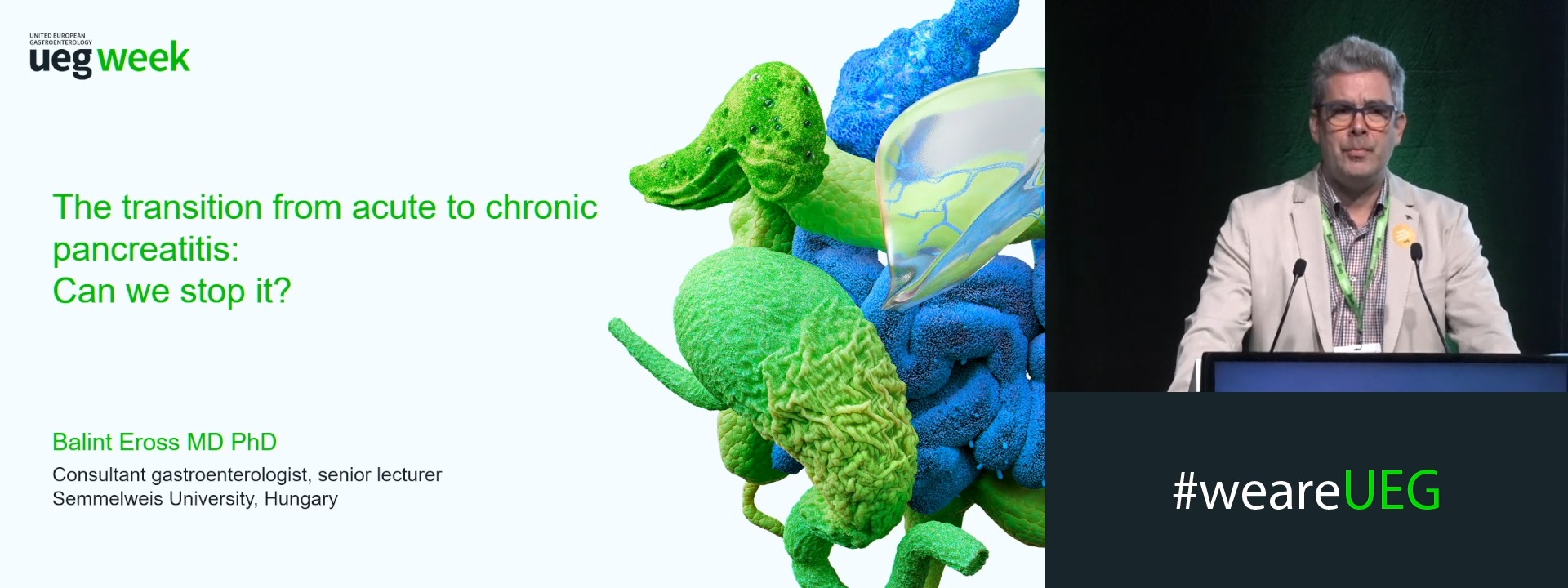
The transition from acute to chronic pancreatitis: Can we stop it?
Affiliations
1 Semmelweis University, Budapest, Hungary
Log in to continue.
This content is part of Gutflix. Log in with your myUEG account, or create one free, to watch it.
Not sure what you can access? Learn more about account types.
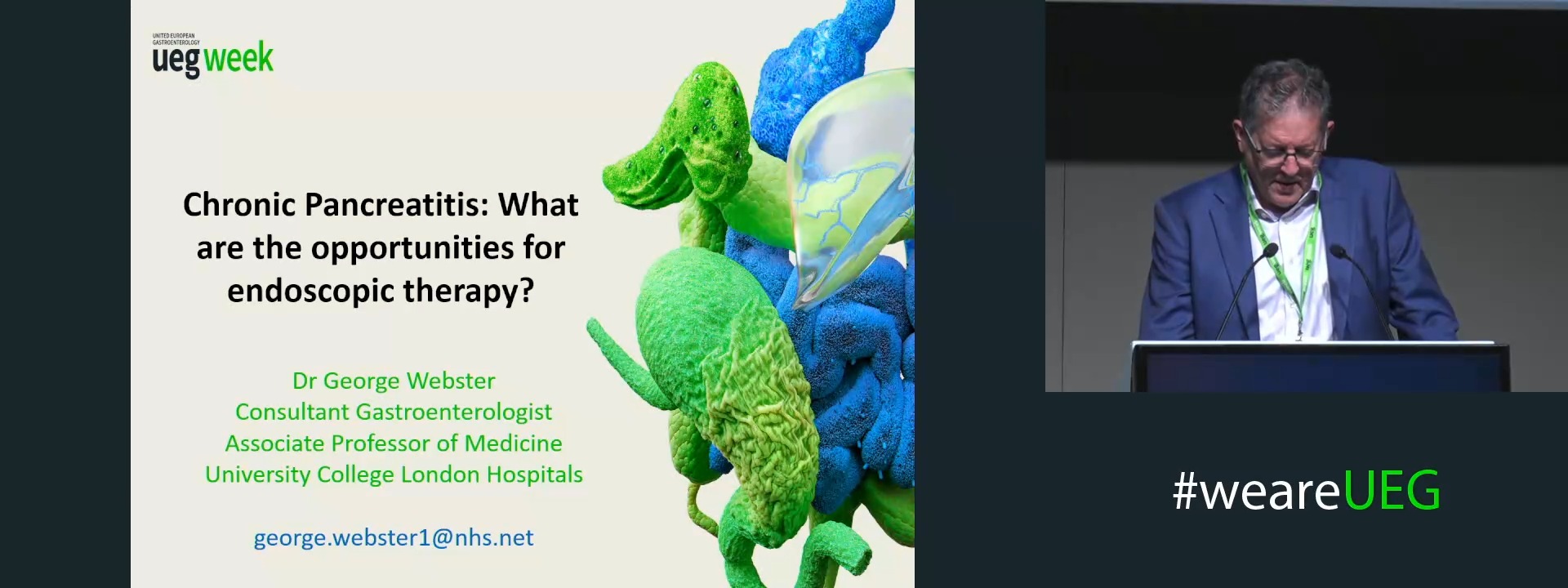
What are the opportunities for endoscopic therapy?
Affiliations
1 University College Hospital, London, United Kingdom
Log in to continue.
This content is part of Gutflix. Log in with your myUEG account, or create one free, to watch it.
Not sure what you can access? Learn more about account types.
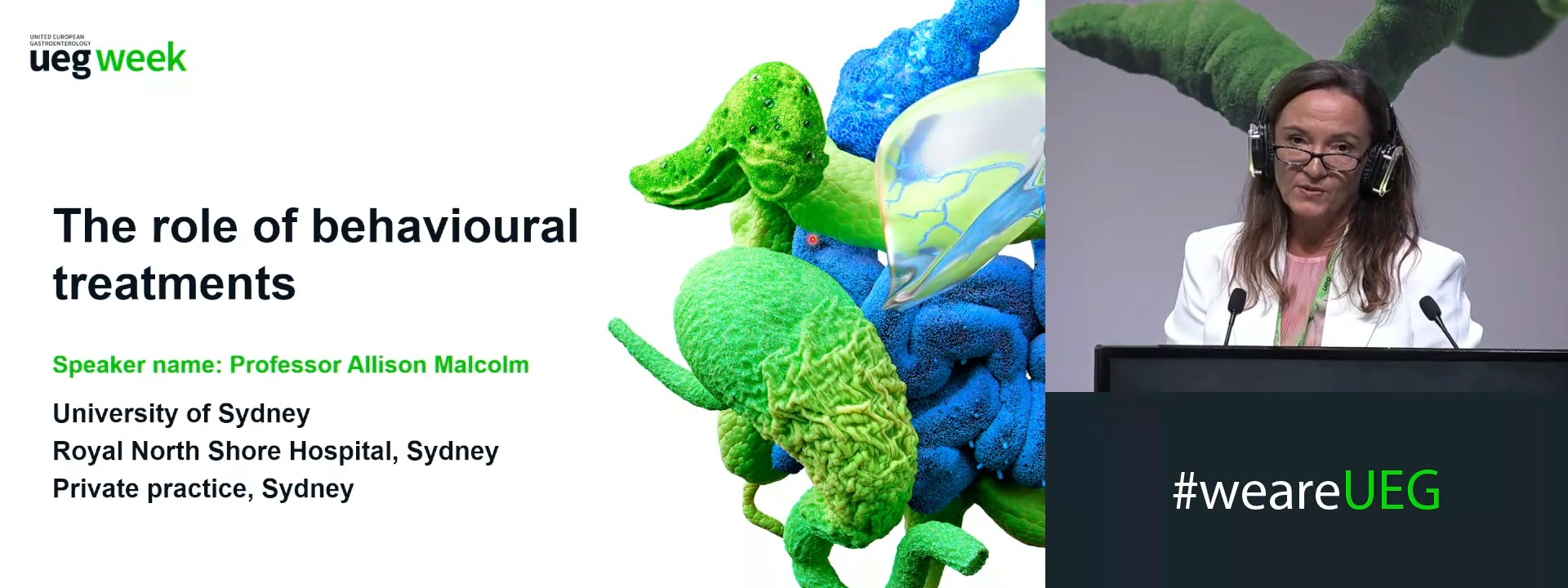
The role of behavioural treatments
Affiliations
1 University Of Sydney, Sydney, Australia