UEG's content platform for gastroenterology education bringing recordings, courses, guidelines, and more together in one place.
Trending on Gutflix
Rate for better recommendations!
Your feedback helps us show you more of what you like and less of what you dislike!
Log in to continue.
This content is part of Gutflix. Log in with your myUEG account, or create one free, to watch it.
Not sure what you can access? Learn more about account types.
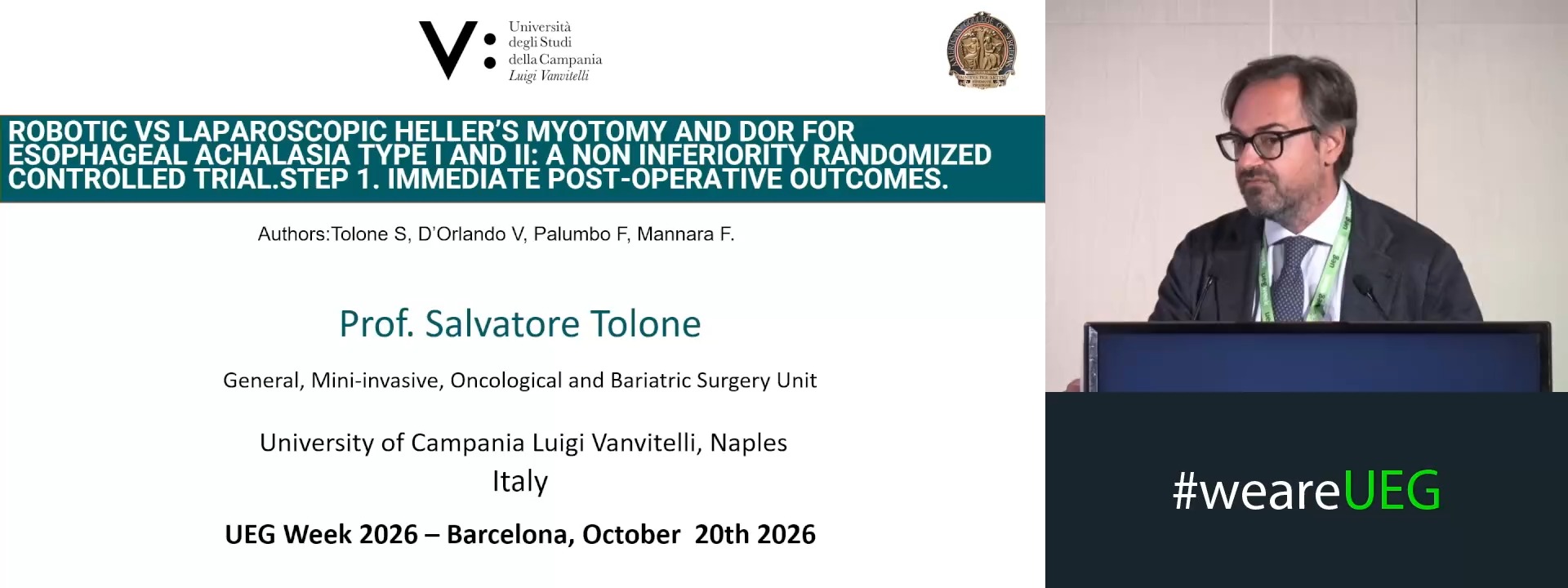
ROBOTIC VS LAPAROSCOPIC HELLER MYOTOMY AND DOR FUNDOPLICATION FOR ESOPHAGEAL ACHALASIA TYPE I AND II. A NON-INFERIORITY RANDOMIZED CONTROLLED TRIAL. STEP 1. IMMEDIATE POST-OPERATIVE OUTCOMES
Affiliations
1 Università degli Studi della Campania "Luigi Vanvitelli", Naples, Italy
Log in to continue.
This content is part of Gutflix. Log in with your myUEG account, or create one free, to watch it.
Not sure what you can access? Learn more about account types.
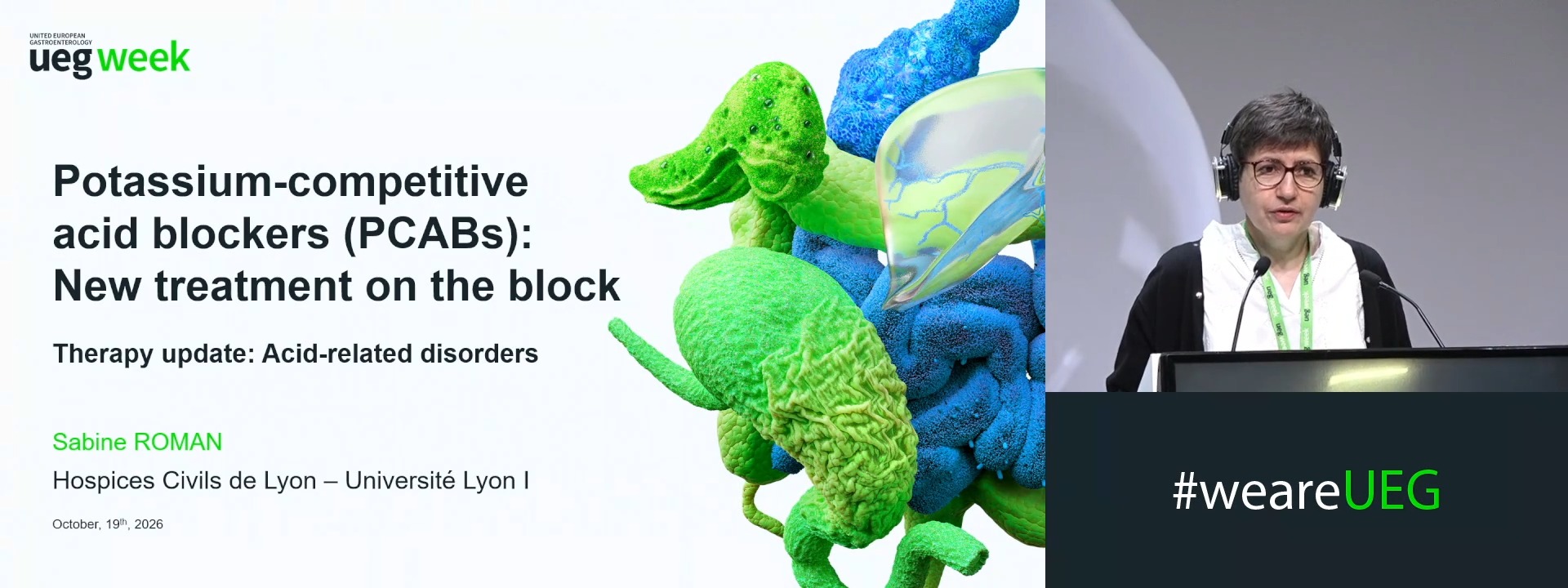
Potassium-competitive acid blocker (PCABs): New treatment on the block
Affiliations
1 Hôpital Edouard Herriot, Lyon, France
Log in to continue.
This content is part of Gutflix. Log in with your myUEG account, or create one free, to watch it.
Not sure what you can access? Learn more about account types.
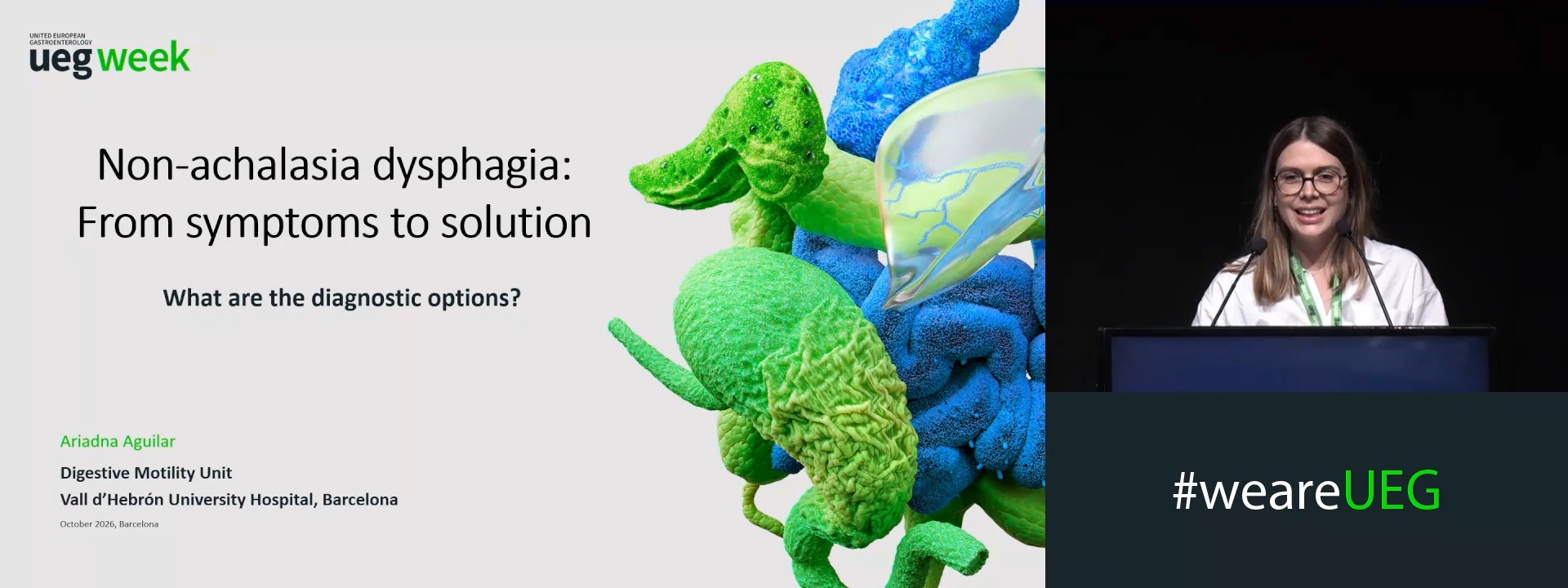
What are the diagnostic options?
Affiliations
1 Hospital Universitari Vall d'Hebrón, Barcelona, Spain
Log in to continue.
This content is part of Gutflix. Log in with your myUEG account, or create one free, to watch it.
Not sure what you can access? Learn more about account types.
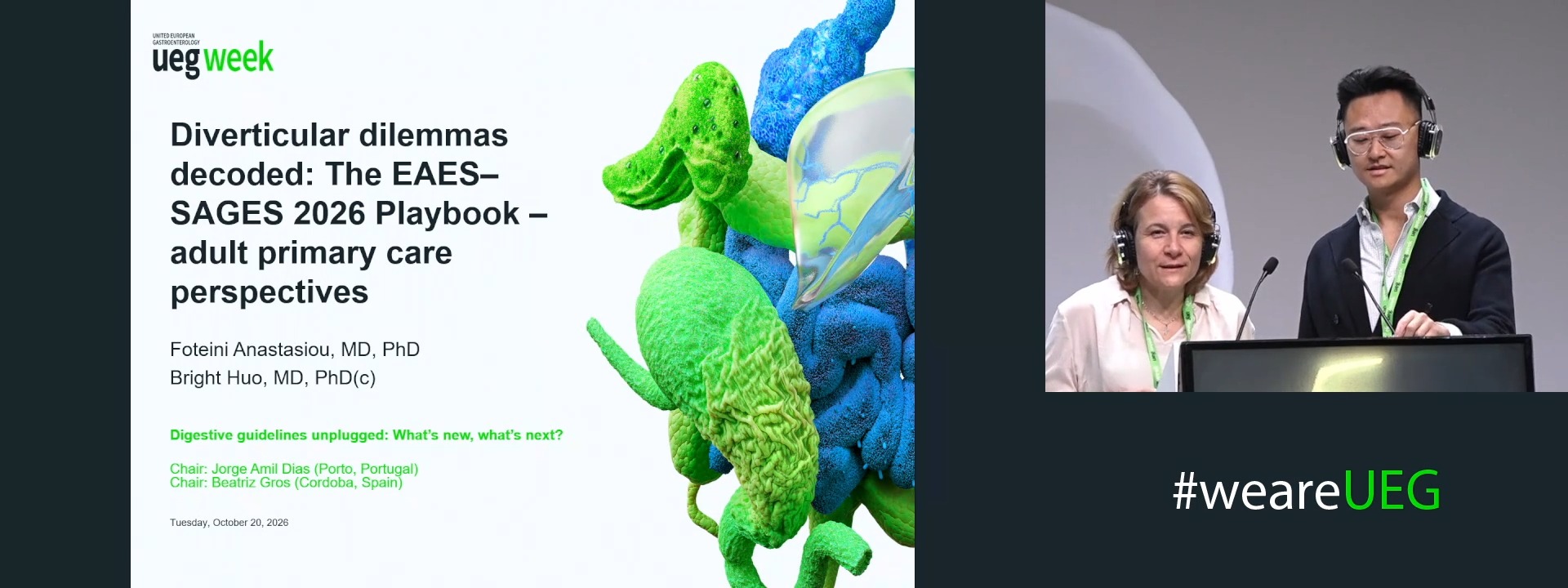
Diverticular dilemmas decoded: The EAES–SAGES 2026 Playbook – adult and primary care perspectives
Affiliations
1 4rth Local Primary Health Care Team (TOMY) - Municipality Practice-Academic Practice of Heraklion, Crete, Heraklion, Crete, Greece
2 McMaster University, Hamilton, Canada
Log in to continue.
This content is part of Gutflix. Log in with your myUEG account, or create one free, to watch it.
Not sure what you can access? Learn more about account types.
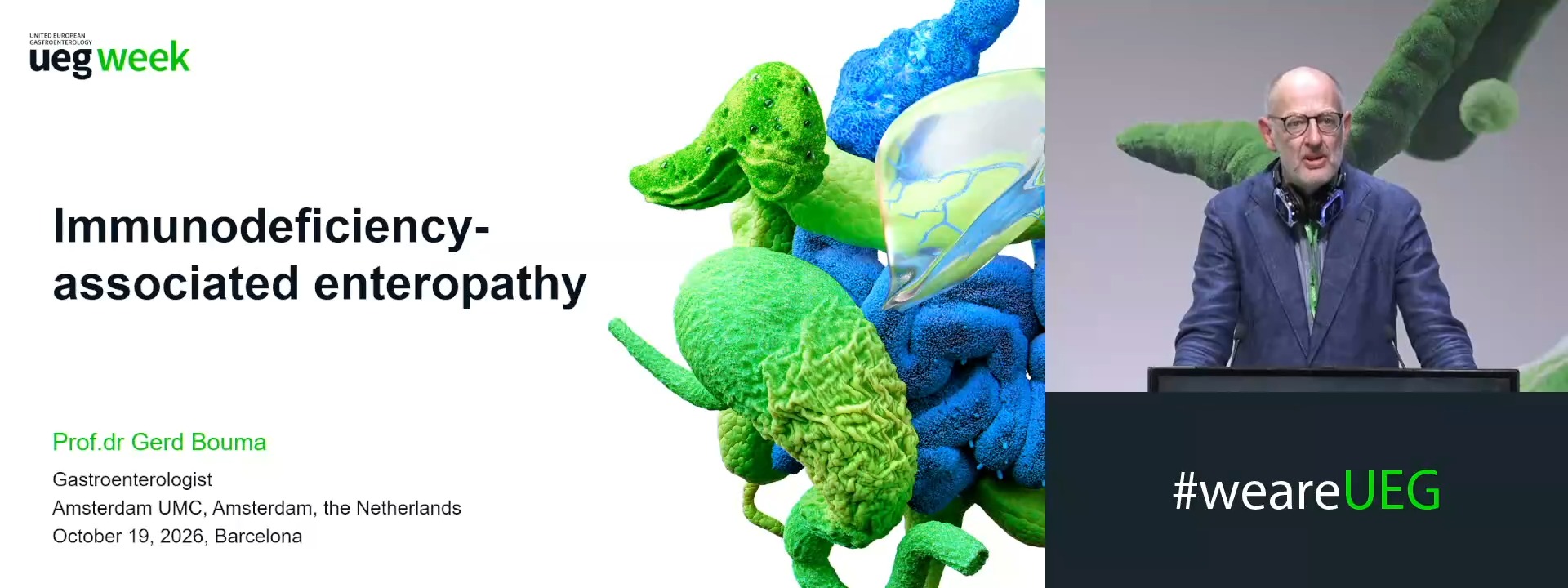
Immunodeficiency-associated enteropathy
Affiliations
1 Vrije Universiteit Medical Center, Amsterdam, Netherlands
Log in to continue.
This content is part of Gutflix. Log in with your myUEG account, or create one free, to watch it.
Not sure what you can access? Learn more about account types.
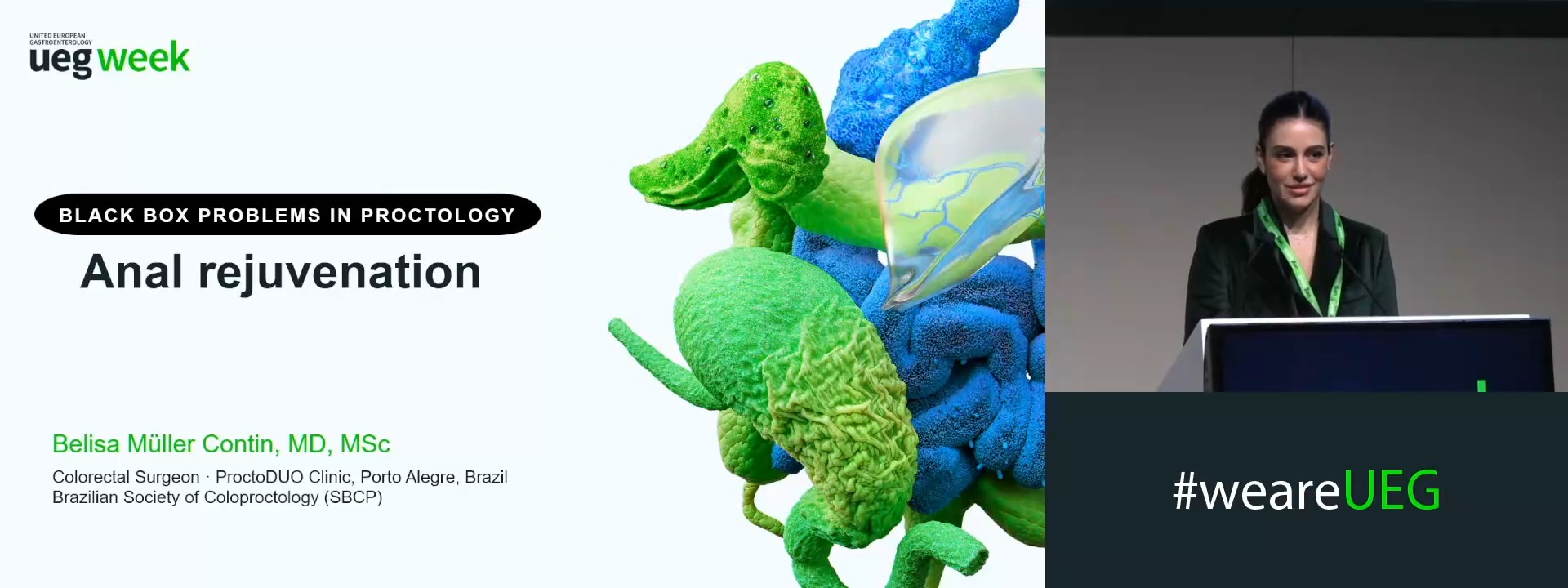
Anal rejuvenation
Affiliations
1 ProctoDUO Clinic, Porto Alegre, Brazil
Log in to continue.
This content is part of Gutflix. Log in with your myUEG account, or create one free, to watch it.
Not sure what you can access? Learn more about account types.
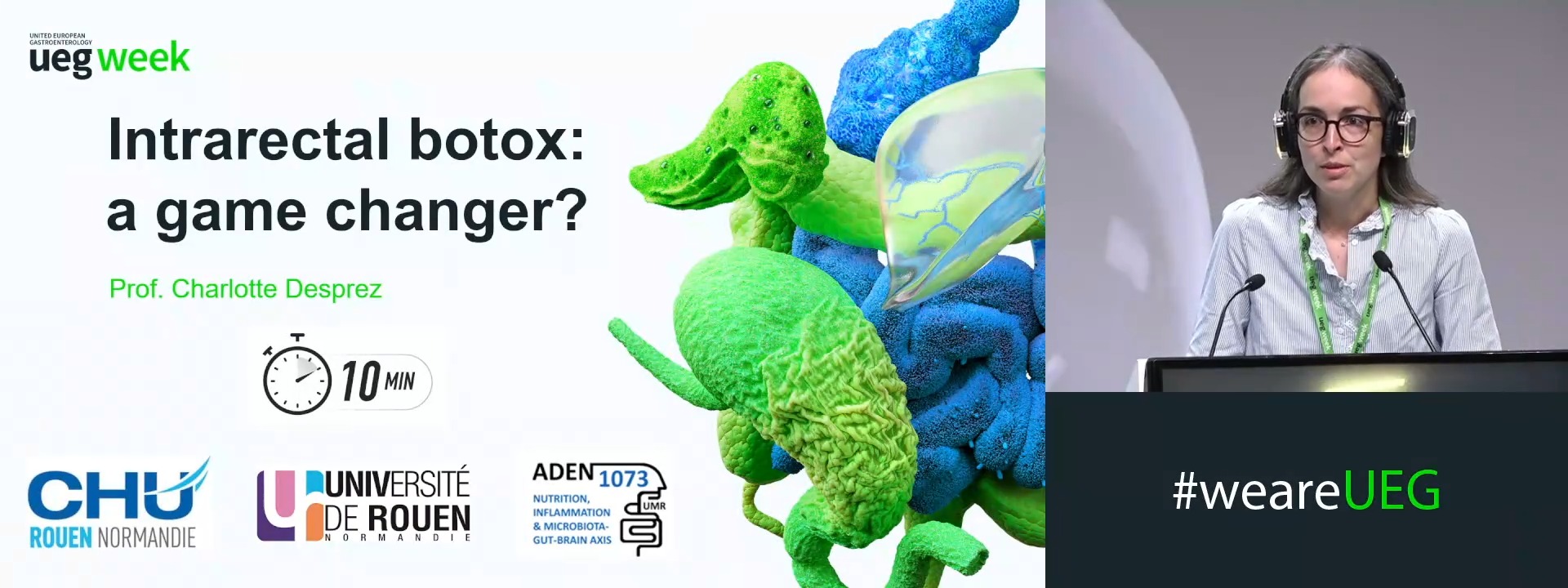
Intrarectal botox: A game changer?
Affiliations
1 Rouen University Hospital, Rouen, France