UEG's content platform for gastroenterology education bringing recordings, courses, guidelines, and more together in one place.
Trending on Gutflix
Rate for better recommendations!
Your feedback helps us show you more of what you like and less of what you dislike!
Log in to continue.
This content is part of Gutflix. Log in with your myUEG account, or create one free, to watch it.
Not sure what you can access? Learn more about account types.
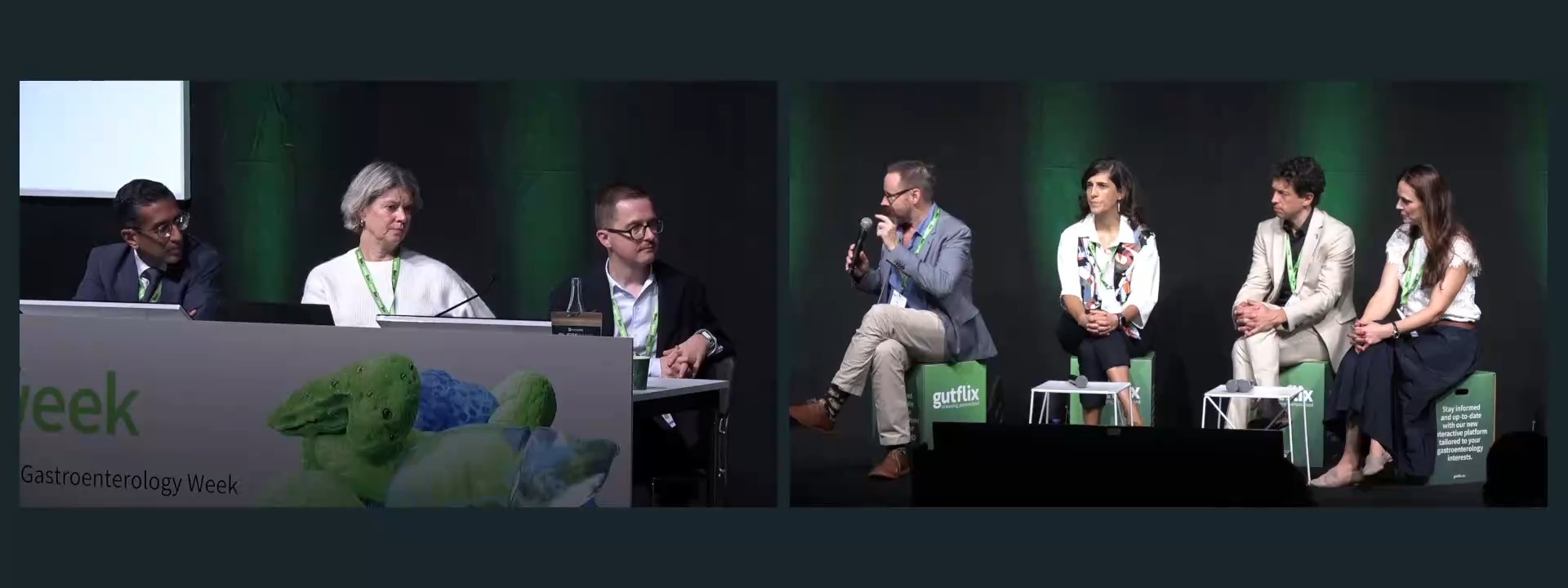
Panel discussion: Precision in practice: The future of drug optimisation in IBD
Log in to continue.
This content is part of Gutflix. Log in with your myUEG account, or create one free, to watch it.
Not sure what you can access? Learn more about account types.
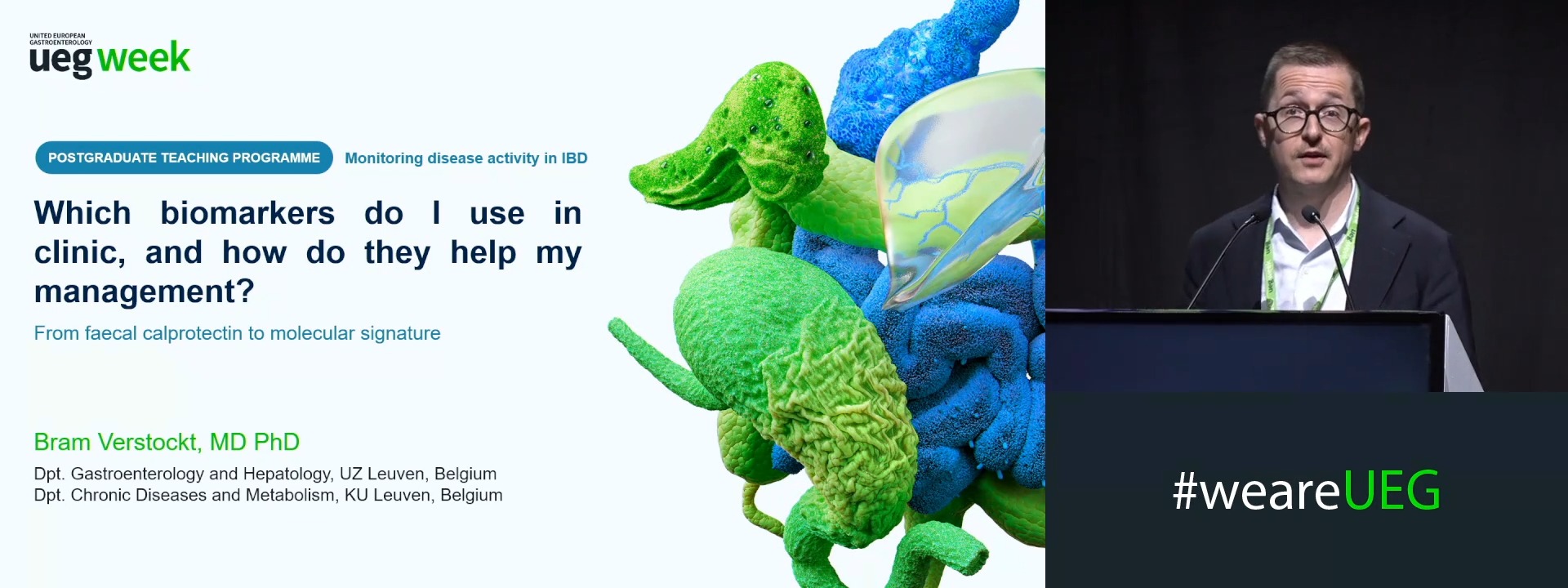
Which biomarkers do I use in clinic, and how do they help my management? From faecal calprotectin to molecular signature
Affiliations
1 University Hospitals Leuven and KU Leuven, Translational Research in Gastrointestinal Disorders - IB, Leuven, Belgium
Log in to continue.
This content is part of Gutflix. Log in with your myUEG account, or create one free, to watch it.
Not sure what you can access? Learn more about account types.
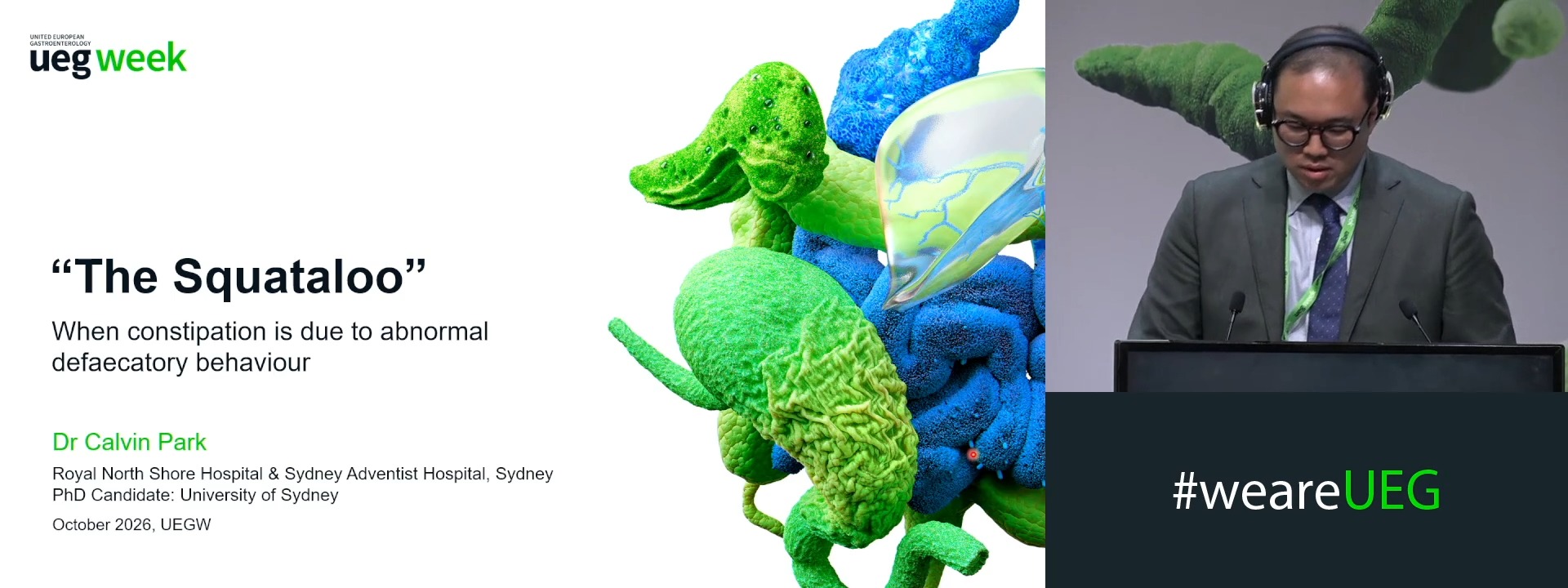
Summary: What happened to the patient?
Affiliations
1 Royal North Shore Hospital, Sydney, Australia
Log in to continue.
This content is part of Gutflix. Log in with your myUEG account, or create one free, to watch it.
Not sure what you can access? Learn more about account types.
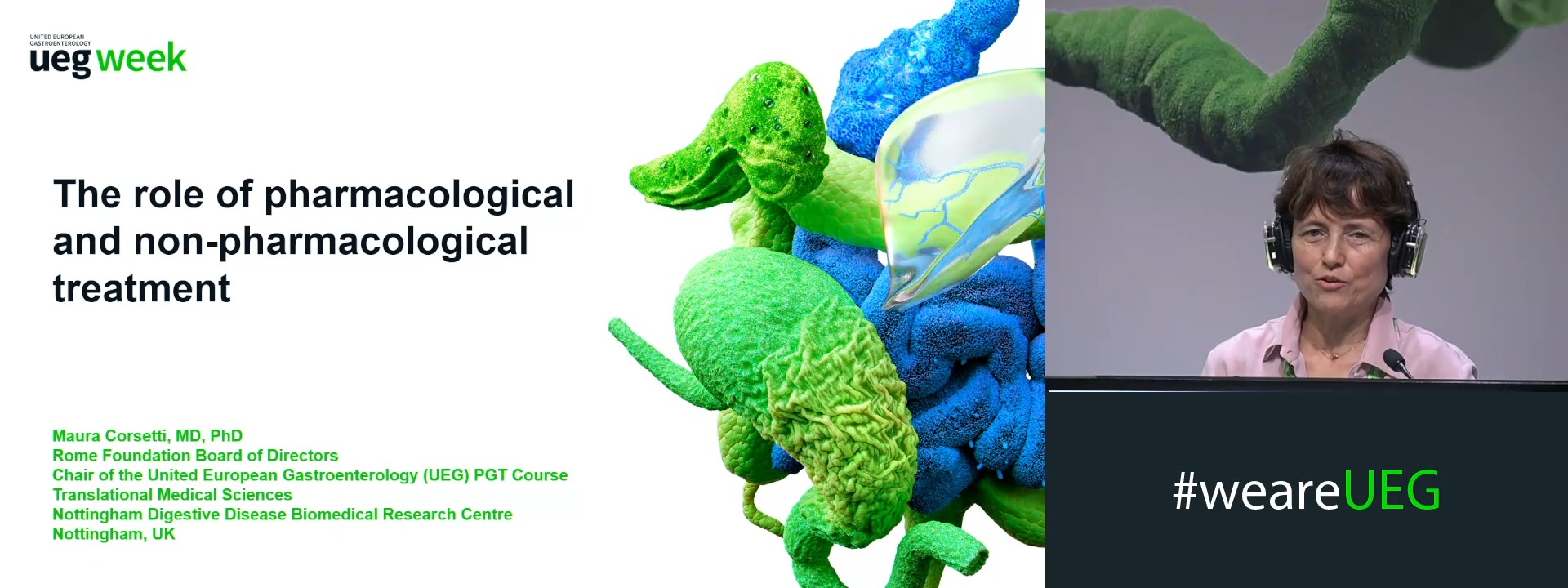
The role of pharmacological and non-pharmacological treatment
Affiliations
1 University of Nottingham, Nottingham, United Kingdom

Log in to continue.
This content is part of Gutflix. Log in with your myUEG account, or create one free, to watch it.
Not sure what you can access? Learn more about account types.
Upcoming therapies in coeliac disease
Affiliations
1 Charité Berlin, Berlin, Germany

Log in to continue.
This content is part of Gutflix. Log in with your myUEG account, or create one free, to watch it.
Not sure what you can access? Learn more about account types.
THE ARTIFICIAL INTELLIGENCE IMPLEMENTATION IN THE TRAINING OF YOUNG ENDOSCOPISTS - DOES IT INFLUENCE THE QUALITY OF FUTURE COLONOSCOPIES?
Affiliations
1 Jagiellonian University, Cracow, Poland