UEG's educational platform for gastroenterology education bringing recordings, courses, guidelines, and more together in one place.
Most popular content
Rate for better recommendations!
Your feedback helps us show you more of what you like and less of what you dislike!
Log in to access this content.
Free for all myUEG account holders. Your access level is set automatically based on your occupation. Medical professionals get full access to all content. If you are a non-medical user, you can only access UEG Week content from congresses you attended.
Not sure what you can access? Learn more about account types.
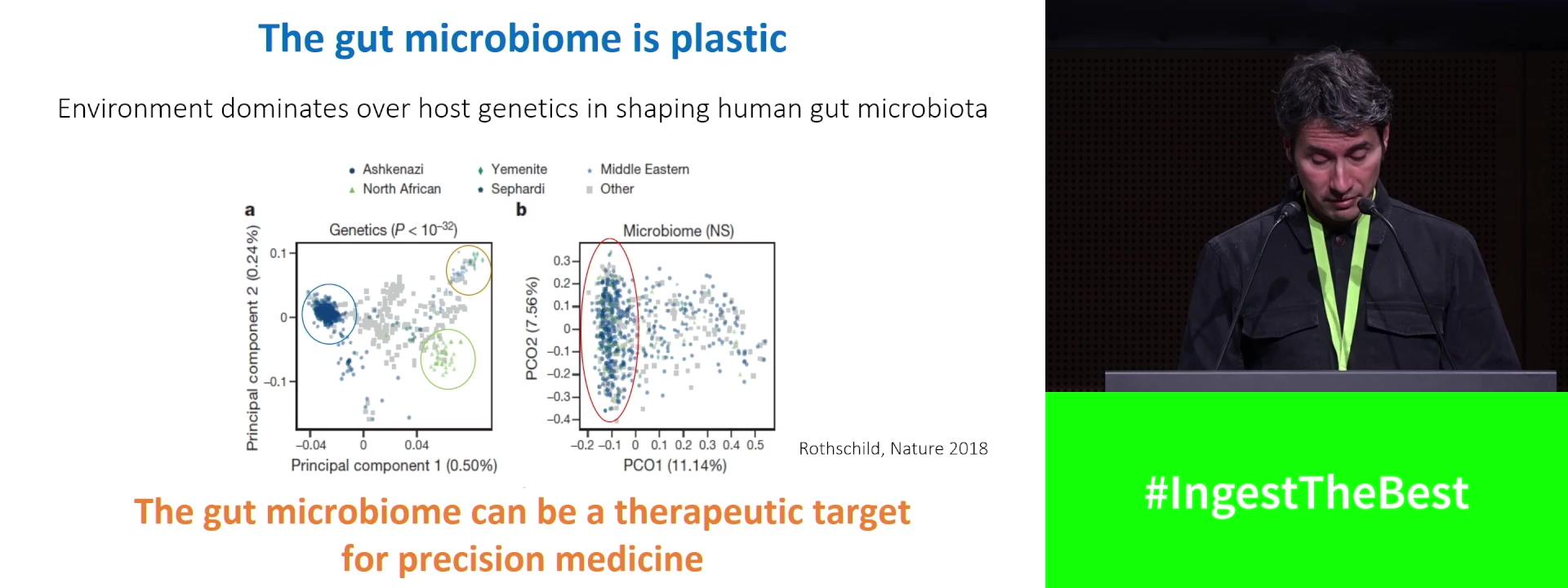
Pre-analytics and analytics of microbiota in clinical practice
1 Fondazione Policlinico Universitario "A. Gemelli" IRCCS, Catholic University of Rome, Rome, Italy
Event
Session
Citation
Published
Log in to access this content.
Free for all myUEG account holders. Your access level is set automatically based on your occupation. Medical professionals get full access to all content. If you are a non-medical user, you can only access UEG Week content from congresses you attended.
Not sure what you can access? Learn more about account types.
DISEASE COURSE OF CROHN’S DISEASE DURING THE FIRST TEN YEARS FOLLOWING DIAGNOSIS IN A PROSPECTIVE EUROPEAN POPULATION-BASED INCEPTION COHORT – THE EPI-IBD COHORT
Mads Damsgaard Wewer 1, Riina Salupere 2, Hendrika Adriana Linda Kievit 3, Kari Rubek Nielsen 4, Jóngerð Midjord 4, Viktor Domislovic 5, Zeljko Krznaric 5, Natalia Pedersen 6, jens kjeldsen 7, Carl Eriksson 8, Jonas Halfvarson 8, Alison Talbot 9, Shaji Sebastian 9, Eugen-Adrian Goldis 10, Ravi Misra 11, Naila Arebi 11, Tuire Meri Ilus 12, Pia Oksanen 13, Anders Neumann 14, Vibeke Andersen 15, Alexandros Skamnelos 16, Konstantinos H. Katsanos 16, Valentina Platon 17, Svetlana Turcan 17, Bernard Borg 18, Pierre Ellul 18, Juozas Kupcinskas 19, Gediminas Kiudelis 19, Clara Yzet 20, Mathurin Fumery 20, Ioannis Kaimakliotis 21, Greta Lorenzon 22, Renata D'Incà 22, Vicente Hernandez Ramirez 23, Alberto Fernández Villaverde 24, Ebbe Langholz 25, Pia Munkholm 26, Johan Burisch 1
1 Hvidovre University Hospital, Hvidovre, Denmark|||Hvidovre Unversity Hospital, Hvidovre, Denmark
2 Tartu University Hospital, Tartu, Estonia
3 Herning Central Hospital, Herning, Denmark
4 National Hospital of the Faroe Islands, Torshavn, Faroe Islands
5 University Hospital Centre Zagreb, Zagreb, Croatia
6 Slagelse Regional Hospital, Slagelse, Denmark
7 Odense University Hospital, Odense, Denmark
8 Örebro University, Örebro, Sweden
9 Hull University Teaching Hospitals NHS Trust, Hull, United Kingdom
10 University of Medicine ‘Victor Babes’, Timisoara, Romania
11 St. Marks Hospital, London, United Kingdom
12 Tampere University Hospital, Tampere, Finland
13 Tampere University Hospital, Tampere, Finland|||Tampere University, Tampere, Finland
14 Viborg Hospital, Viborg, Denmark
15 University Hospital of Southern Denmark, Aabenraa, Denmark|||University of Southern Denmark, Odense, Denmark|||University of Southern Denmark, Odense, Denmark
16 University Hospital and University of Ioannina, Ioannina, Greece
17 Nicolae Testemitanu State University of Medicine and Pharmacy of Moldova, Chisinau, Moldova, Republic of
18 Mater Dei Hospital, Bugibba, Malta
19 Lithuanian University of Health Sciences, Kaunas, Lithuania
20 Amiens University Hospital, Amiens, France
21 American Gastroenterology Center, Nicosia, Cyprus
22 University of Padua, Padua, Italy
23 Xerencia Xestion Integrada de Vigo, SERGAS, Vigo, Spain|||Galicia Sur Health Research Institute (IIS Galicia Sur), SERGAS-UVIGO, Vigo, Spain, VigoSpain, Spain
24 Ribera-POVISA Hospital, Vigo, Spain, Vigo, Spain
25 University Hospital Copenhagen – Herlev Hospital, Herlev, Herlev, Denmark
26 University Hospital Copenhagen – North Zealand Hospital, Hillerød, Denmark
Event
Topics
Submission format
Session
Citation
Published
Log in to access this content.
Free for all myUEG account holders. Your access level is set automatically based on your occupation. Medical professionals get full access to all content. If you are a non-medical user, you can only access UEG Week content from congresses you attended.
Not sure what you can access? Learn more about account types.
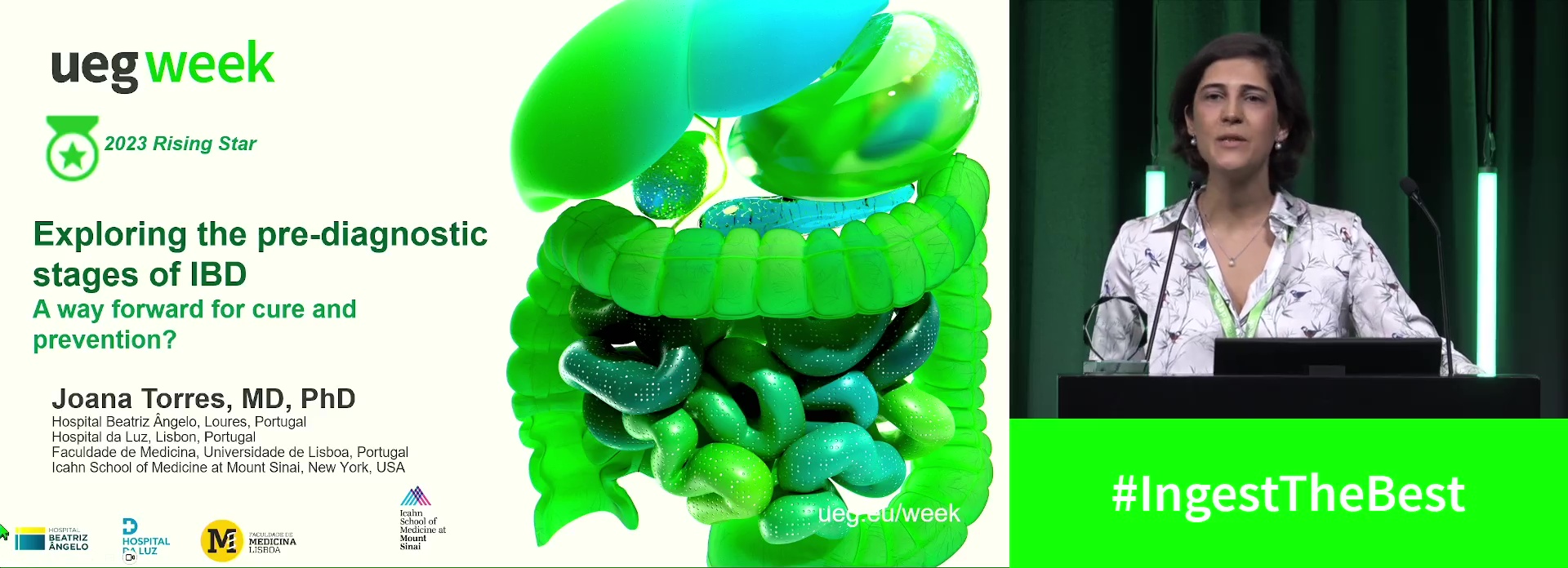
Exploring the pre-diagnostic stages of IBD: A way forward for cure and prevention?
1 Hospital Beatriz Ângelo, Lisbon, Portugal
Event
Topics
Published
Log in to access this content.
Free for all myUEG account holders. Your access level is set automatically based on your occupation. Medical professionals get full access to all content. If you are a non-medical user, you can only access UEG Week content from congresses you attended.
Not sure what you can access? Learn more about account types.
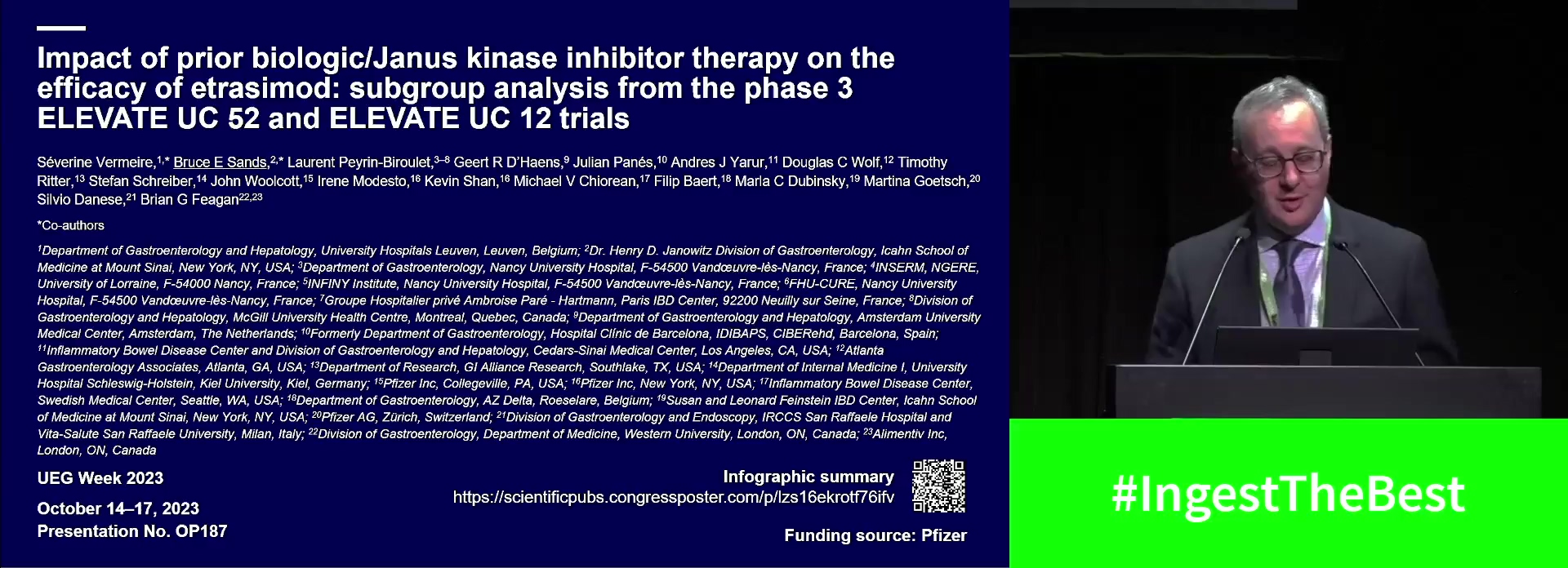
IMPACT OF PRIOR BIOLOGIC/JANUS KINASE INHIBITOR THERAPY ON THE EFFICACY OF ETRASIMOD: SUBGROUP ANALYSIS FROM THE PHASE 3 ELEVATE UC 52 AND ELEVATE UC 12 TRIALS
Severine Vermeire 1, Bruce E. Sands 2, Laurent Peyrin-Biroulet 3, Geert R. D'Haens 4, Julian Panés 5, Andres Yarur 6, Doug Wolf 7, Timothy Ritter 8, Stefan Schreiber 9, Kevin Shan 10, Chris Rabbat 11, Michael Chiorean 12, Filip Baert 13, Marla C. Dubinsky 2, Martina Goetsch 14, Silvio Danese 15, Brian G. Feagan 16
1 University Hospital Leuven, Leuven, Belgium
2 Icahn School of Medicine at Mount Sinai, New York, United States
3 University of Lorraine, CHRU-Nancy, Nancy, France|||University of Lorraine, Inserm, NGERE, Nancy, France
4 Amsterdam University Medical Centers, Amsterdam, Netherlands
5 Formerly of Hospital Clínic de Barcelona, IDIBAPS, CIBERehd, Barcelona, Spain
6 Cedars-Sinai Medical Center, Los Angeles, United States
7 Atlanta Gastroenterology Associates, Atlanta, United States
8 GI Alliance, Southlake, United States
9 University Hospital Schleswig-Holstein, Kiel University, Kiel, Germany
10 Pfizer Inc, San Diego, United States
11 Pfizer Inc, New York, United States
12 Swedish Medical Center, Seattle, United States
13 AZ Delta Deltalaan 2, Roeselare, Belgium
14 Pfizer AG, Zürich, Switzerland
15 IRCCS San Raffaele Hospital and Vita Salute San Raffaele University, Milan, Italy
16 Western University, London, Canada|||Alimentiv Inc, London, Canada
Event
Topics
Submission format
Citation
Published
Log in to access this content.
Free for all myUEG account holders. Your access level is set automatically based on your occupation. Medical professionals get full access to all content. If you are a non-medical user, you can only access UEG Week content from congresses you attended.
Not sure what you can access? Learn more about account types.
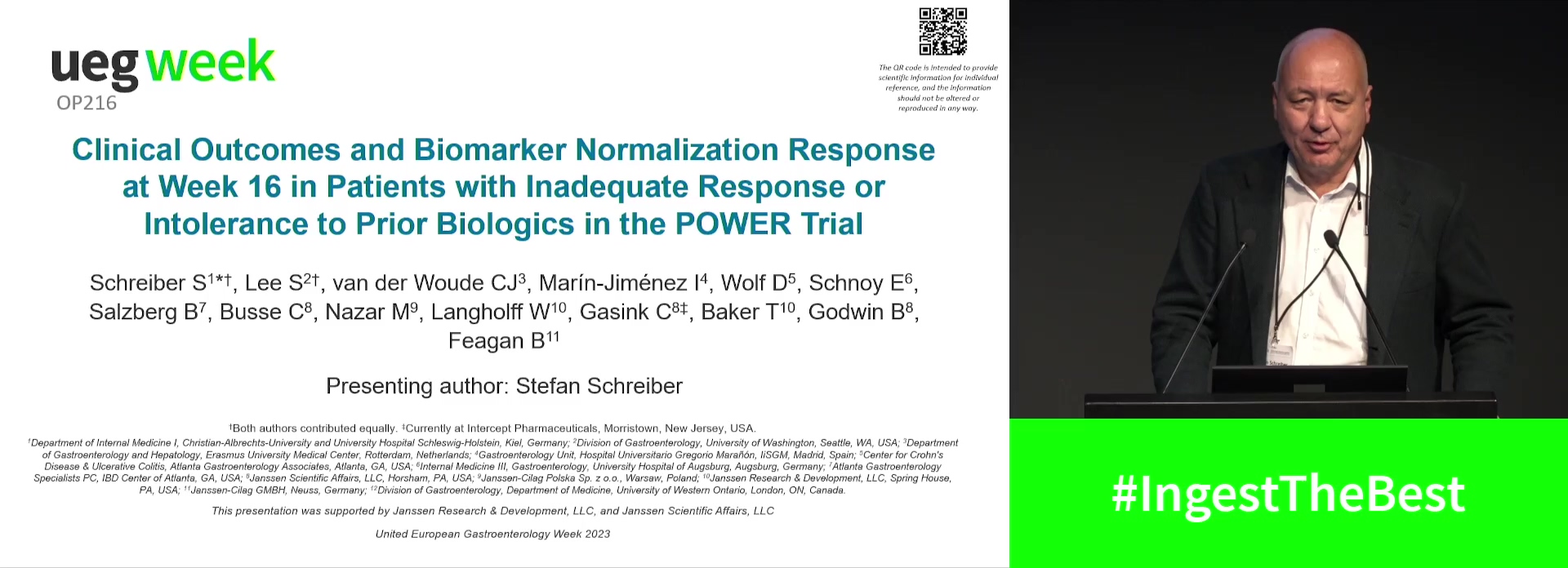
CLINICAL OUTCOMES AND BIOMARKER NORMALISATION RESPONSE AT WEEK 16 IN PATIENTS WITH INADEQUATE RESPONSE OR INTOLERANCE TO PRIOR BIOLOGICS IN THE POWER TRIAL
Stefan Schreiber 1, Scott Lee 2, C. Janneke van der Woude 3, Ignacio Marín-Jiménez 4, Doug Wolf 5, Elisabeth Schnoy 6, Bruce Salzberg 7, Christopher Busse 8, Maciek Nazar 9, Wayne Langholff 10, Chris Gasink 8, Thomas Baker 10, Bridget Godwin 8, Brian G. Feagan 11
1 Christian-Albrechts-University and University Hospital Schleswig-Holstein, Kiel, Germany
2 University of Washington, Seattle, United States
3 Erasmus University Medical Center, Rotterdam, Netherlands
4 Hospital Universitario Gregorio Marañón, IiSGM, Madrid, Spain
5 Atlanta Gastroenterology Associates, Atlanta, United States
6 University Hospital of Augsburg, Augsburg, Germany
7 IBD Center of Atlanta, Atlanta, United States
8 Janssen Scientific Affairs, LLC, Horsham, United States
9 Janssen-Cilag Polska Sp. z o.o., Warsaw, Poland
10 Janssen Research & Development, LLC, Spring House, United States
11 University of Western Ontario, London, Canada
Event
Topics
Submission format
Citation
Published
Log in to access this content.
Free for all myUEG account holders. Your access level is set automatically based on your occupation. Medical professionals get full access to all content. If you are a non-medical user, you can only access UEG Week content from congresses you attended.
Not sure what you can access? Learn more about account types.
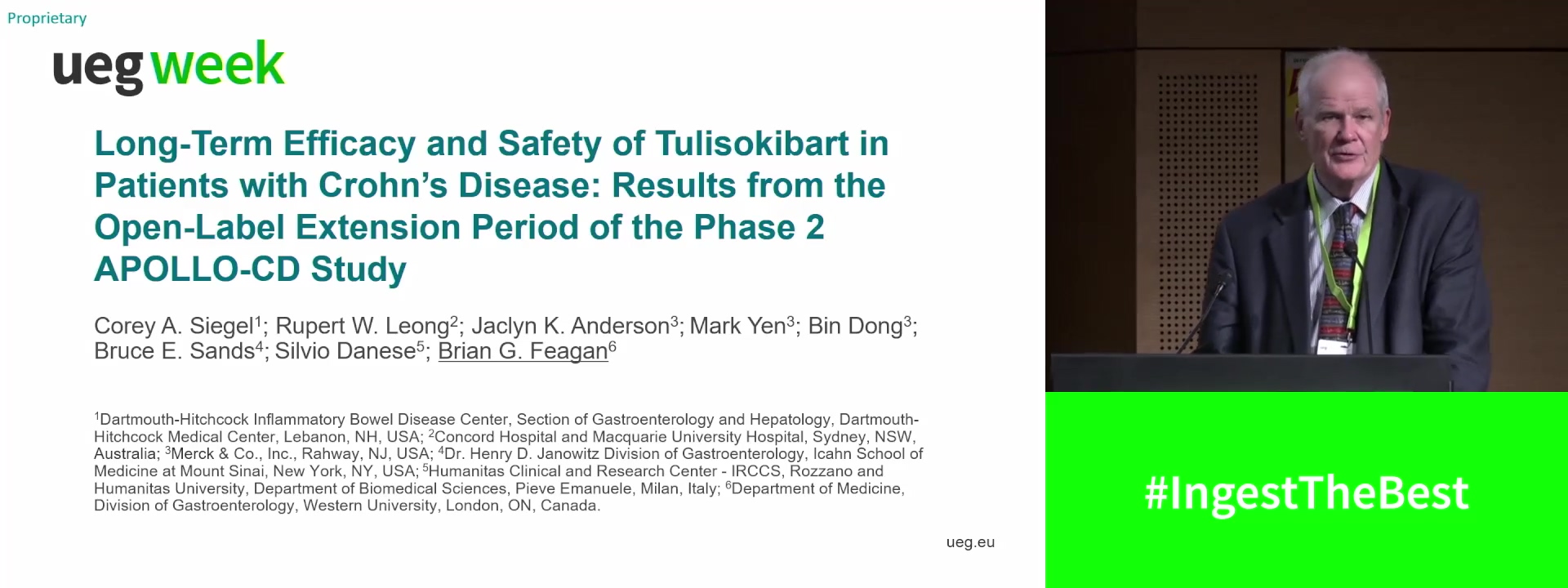
LONG-TERM EFFICACY AND SAFETY OF TULISOKIBART IN PATIENTS WITH CROHN’S DISEASE (CD): RESULTS FROM THE OPEN-LABEL EXTENSION PERIOD OF THE PHASE 2 APOLLO-CD STUDY
Corey A. Siegel 1, Rupert W Leong 2, Jaclyn K. Anderson 3, Mark Yen 3, Bin Dong 3, Bruce E. Sands 4, Silvio Danese 5, Brian G. Feagan 6
1 Dartmouth-Hitchcock Inflammatory Bowel Disease Center, Lebanon, United States
2 Concord Hospital and Macquarie University Hospital, Sydney, Australia
3 Merck & Co., Inc., Rahway, United States
4 Dr. Henry D. Janowitz Division of Gastroenterology, Icahn School of Medicine at Mount Sinai, New York, United States
5 Humanitas Clinical and Research Center - IRCCS, Rozzano and Humanitas University, Department of Biomedical Sciences, Pieve Emanuele, Milan, Italy
6 Department of Medicine, Division of Gastroenterology, Western University, London, Canada
Event
Submission format
Citation
Published
Log in to access this content.
Free for all myUEG account holders. Your access level is set automatically based on your occupation. Medical professionals get full access to all content. If you are a non-medical user, you can only access UEG Week content from congresses you attended.
Not sure what you can access? Learn more about account types.
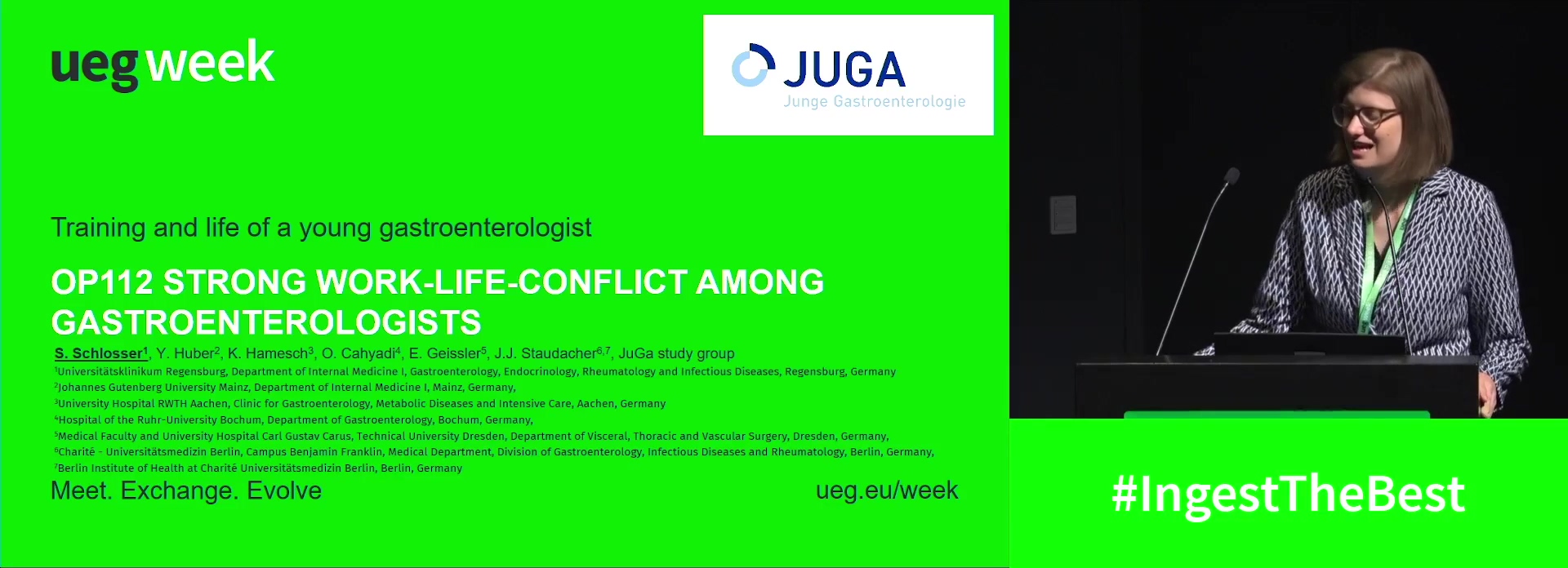
STRONG WORK-LIFE-CONFLICT AMONG GASTROENTEROLOGISTS
Sophie Schlosser-Hupf 1, Yvonne Huber 2, Karim Hamesch 3, Oscar Cahyadi 4, Enrik Geissler 5, Jonas J. Staudacher 6
1 Universitätsklinikum Regensburg, Egglfing (Köfering), Germany
2 Johannes Gutenberg University Mainz, Mainz, Germany
3 University Hospital RWTH Aachen, Aachen, Germany
4 Hospital of the Ruhr-University Bochum, Bochum, Germany
5 Medical Faculty and University Hospital Carl Gustav Carus, Technical University Dresden, Dresden, Germany
6 Charité - Universitätsmedizin Berlin, Campus Benjamin Franklin, Berlin, Germany|||Berlin Institute of Health at Charité Universitätsmedizin Berlin, Berlin, Germany
Event
Topics