UEG's content platform for gastroenterology education bringing recordings, courses, guidelines, and more together in one place.
Trending on Gutflix
Rate for better recommendations!
Your feedback helps us show you more of what you like and less of what you dislike!
Log in to continue.
This content is part of Gutflix. Log in with your myUEG account, or create one free, to watch it.
Not sure what you can access? Learn more about account types.
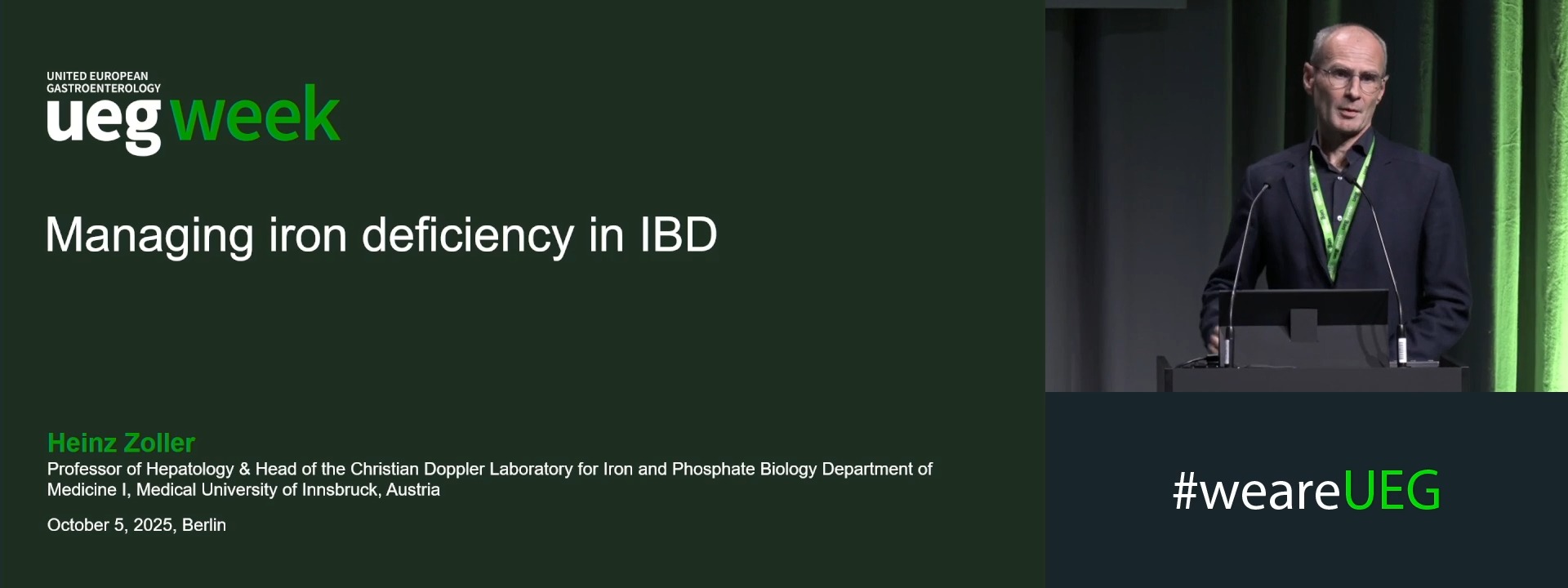
Managing iron deficieny in IBD
Affiliations
1 Department of Medicine, Innsbruck, Austria
Log in to continue.
This content is part of Gutflix. Log in with your myUEG account, or create one free, to watch it.
Not sure what you can access? Learn more about account types.
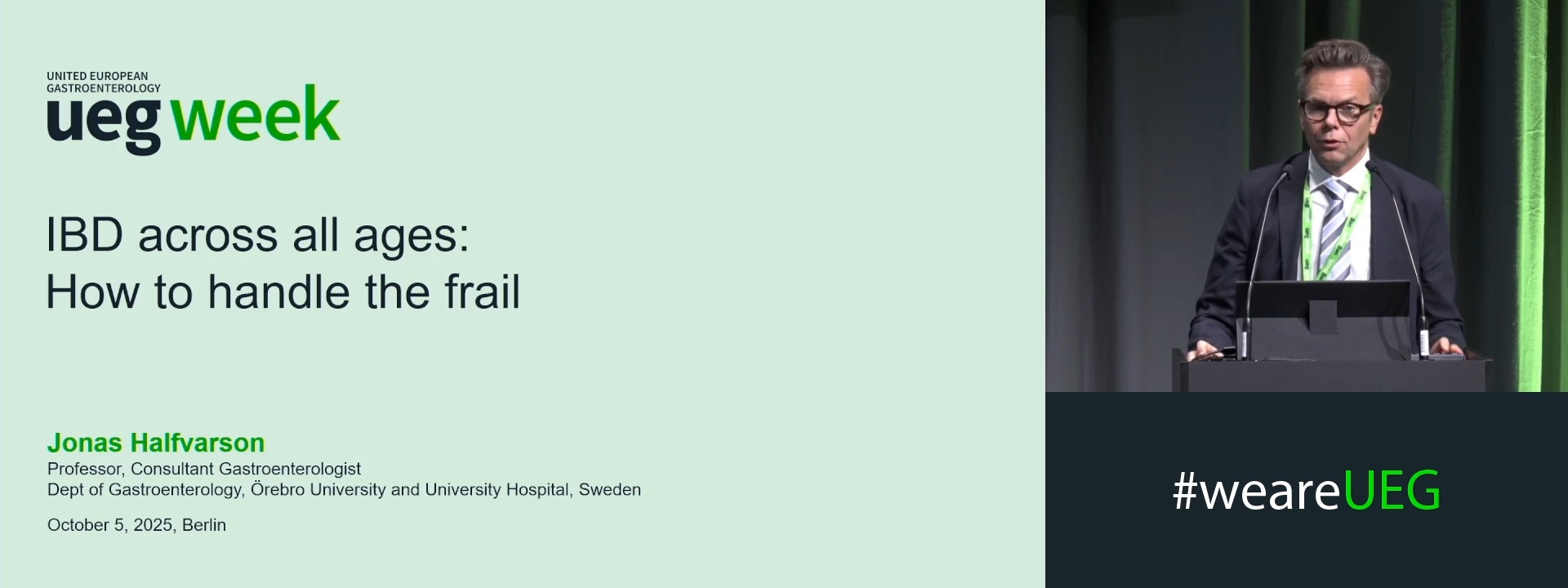
How to handle the frail
Affiliations
1 Örebro University, Örebro, Sweden
Log in to continue.
This content is part of Gutflix. Log in with your myUEG account, or create one free, to watch it.
Not sure what you can access? Learn more about account types.
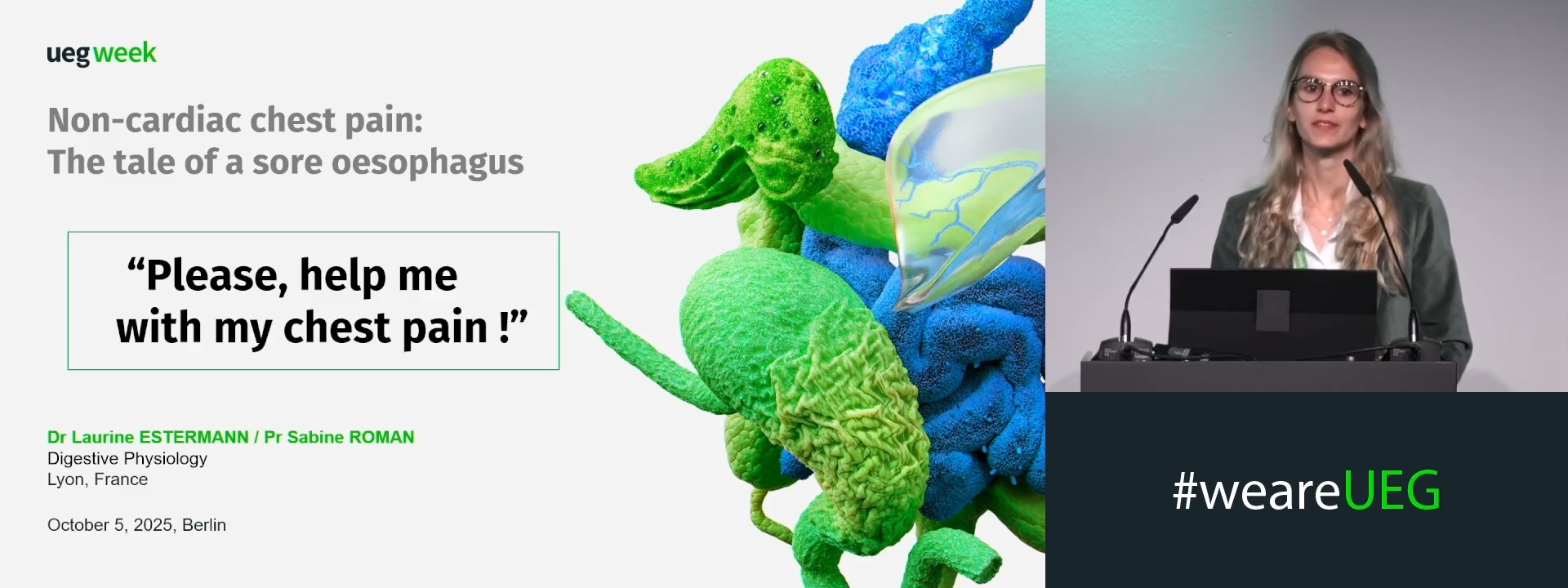
"Please, help me with my chest pain!"
Affiliations
1 Hospices Civils de Lyon, Lyon, France
Log in to continue.
This content is part of Gutflix. Log in with your myUEG account, or create one free, to watch it.
Not sure what you can access? Learn more about account types.
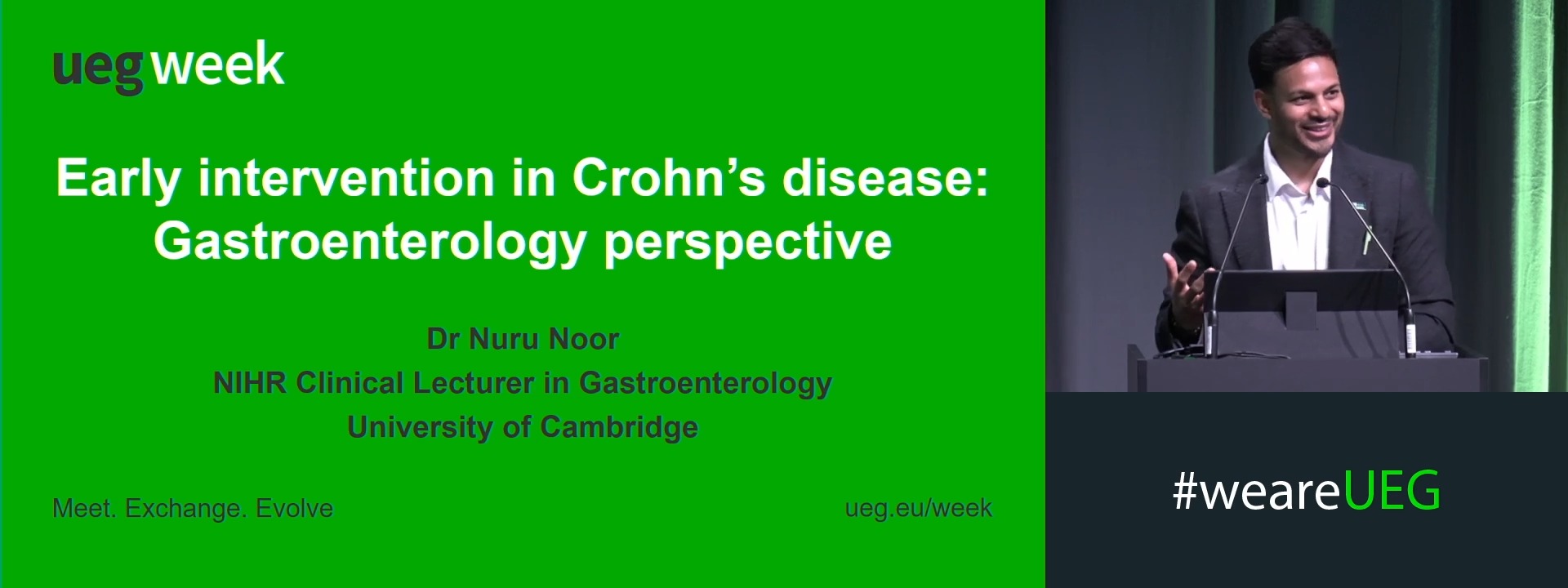
Getting out of the block early in Crohn´s disease: Gastroenterologist vs surgeon perspective
Affiliations
1 Haaglanden Medical Center, The Hague, Netherlands
2 Cambridge University Hospitals NHS Foundation Trust, Cambridge, United Kingdom
Log in to continue.
This content is part of Gutflix. Log in with your myUEG account, or create one free, to watch it.
Not sure what you can access? Learn more about account types.
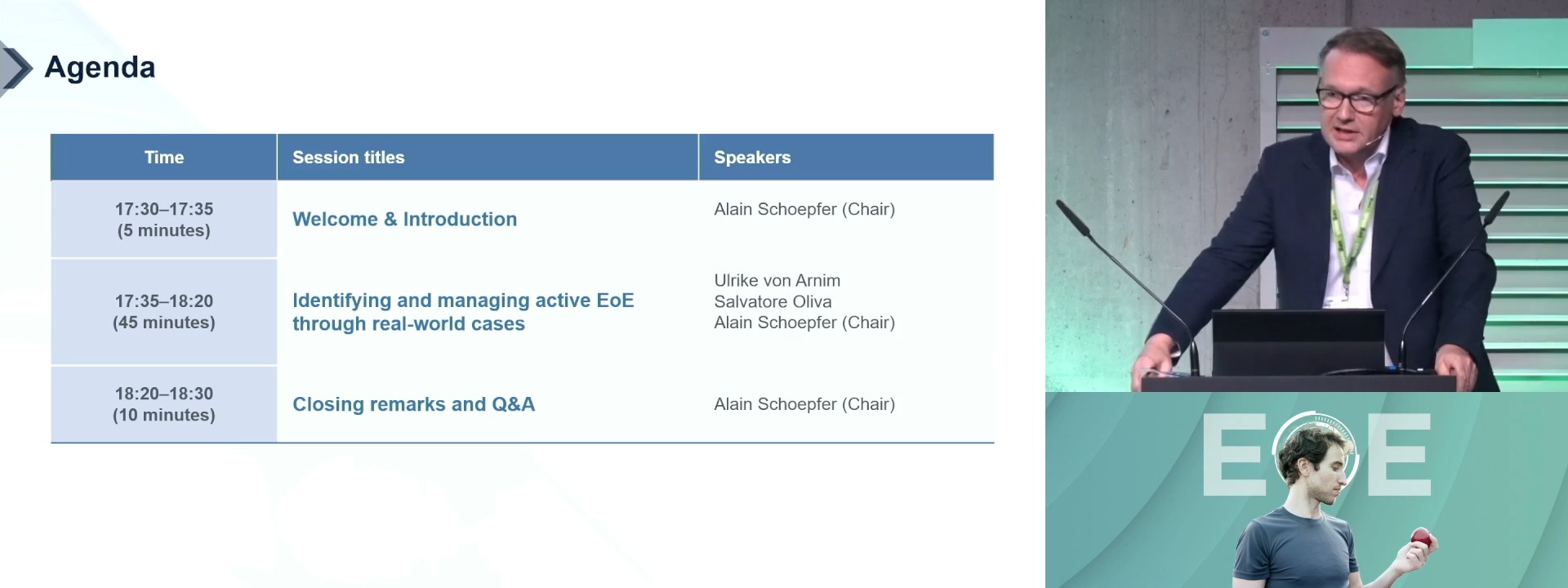
Redefining EoE Treatment Success through Real-World Cases (Sanofi Regeneron) (Complete Session)
Affiliations
1 University Hospital Umberto, Sapienza University of Rome, Rome, Italy
2 University of Lausanne, Lausanne, Switzerland
3 Otto-Von Guericke University, Madgeburg, Germany