UEG's content platform for gastroenterology education bringing recordings, courses, guidelines, and more together in one place.
Trending on Gutflix
Rate for better recommendations!
Your feedback helps us show you more of what you like and less of what you dislike!
Log in to continue.
This content is part of Gutflix. Log in with your myUEG account, or create one free, to watch it.
Not sure what you can access? Learn more about account types.
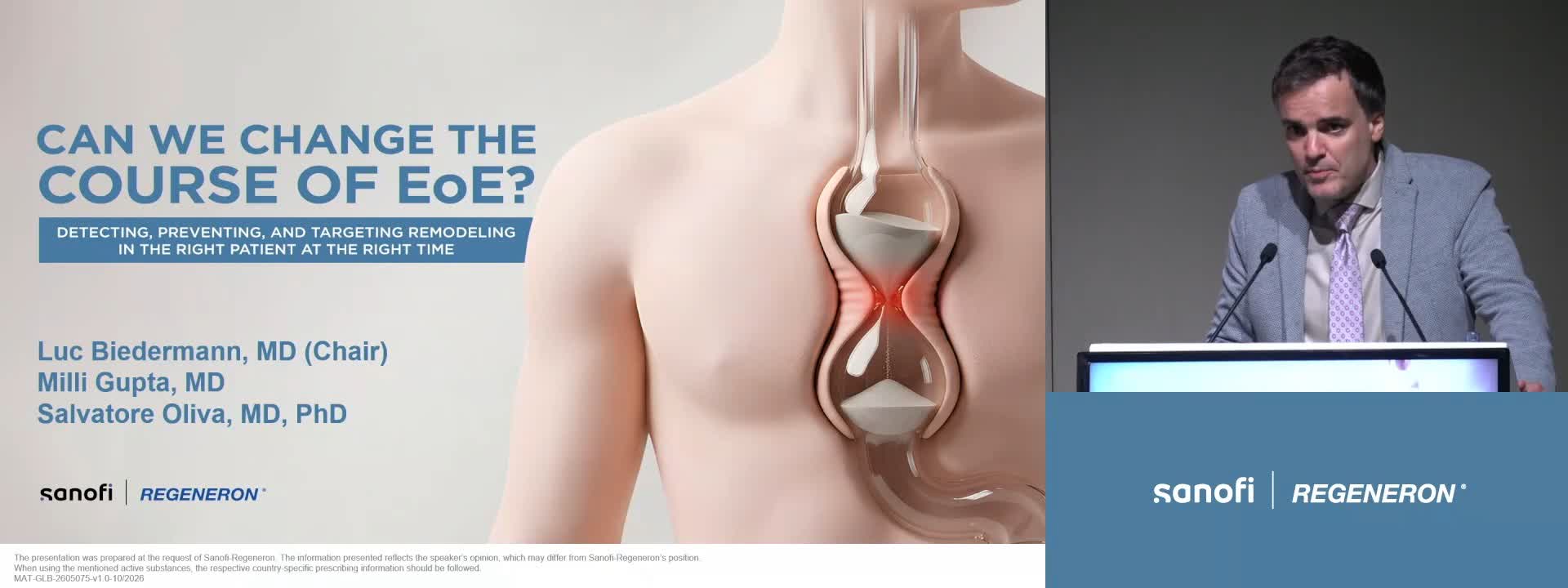
Can We Change the Course of EoE? Detecting, Preventing, and Targeting Remodeling in the Right Patient, at the Right Time (Sanofi Regeneron) (Complete Session)
Affiliations
1 USZ Zürich, Zurich, Switzerland
2 University Hospital Umberto, Sapienza University of Rome, Rome, Italy
3 Associate Clinical Professor of Medicine Division of Gastroenterology and Hepatology, Department of Medicine University of Calgary, None, Canada
Log in to continue.
This content is part of Gutflix. Log in with your myUEG account, or create one free, to watch it.
Not sure what you can access? Learn more about account types.
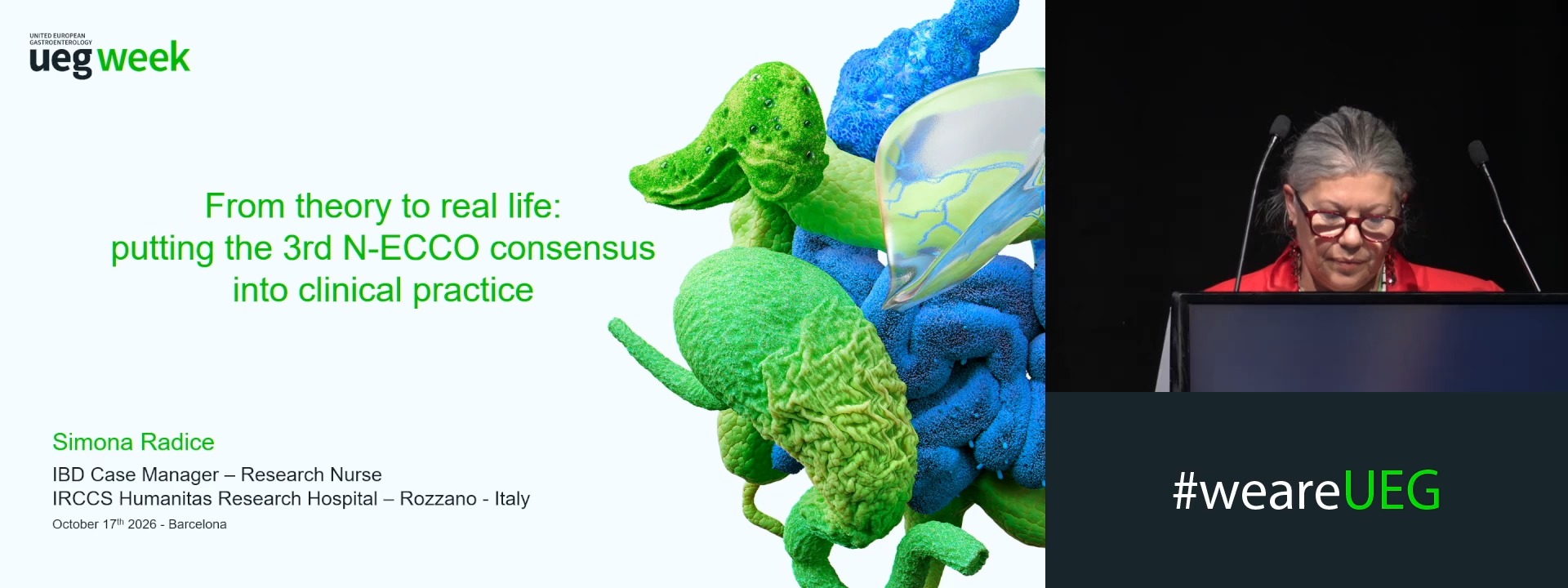
From theory to real life: Putting the 3rd N-ECCO consensus into clinical practice
Affiliations
1 San Rafaele Research Hospital, Milan, Italy
Log in to continue.
This content is part of Gutflix. Log in with your myUEG account, or create one free, to watch it.
Not sure what you can access? Learn more about account types.
Q&A: Comparative discussion: Choosing the right tool for the right patient
Log in to continue.
This content is part of Gutflix. Log in with your myUEG account, or create one free, to watch it.
Not sure what you can access? Learn more about account types.
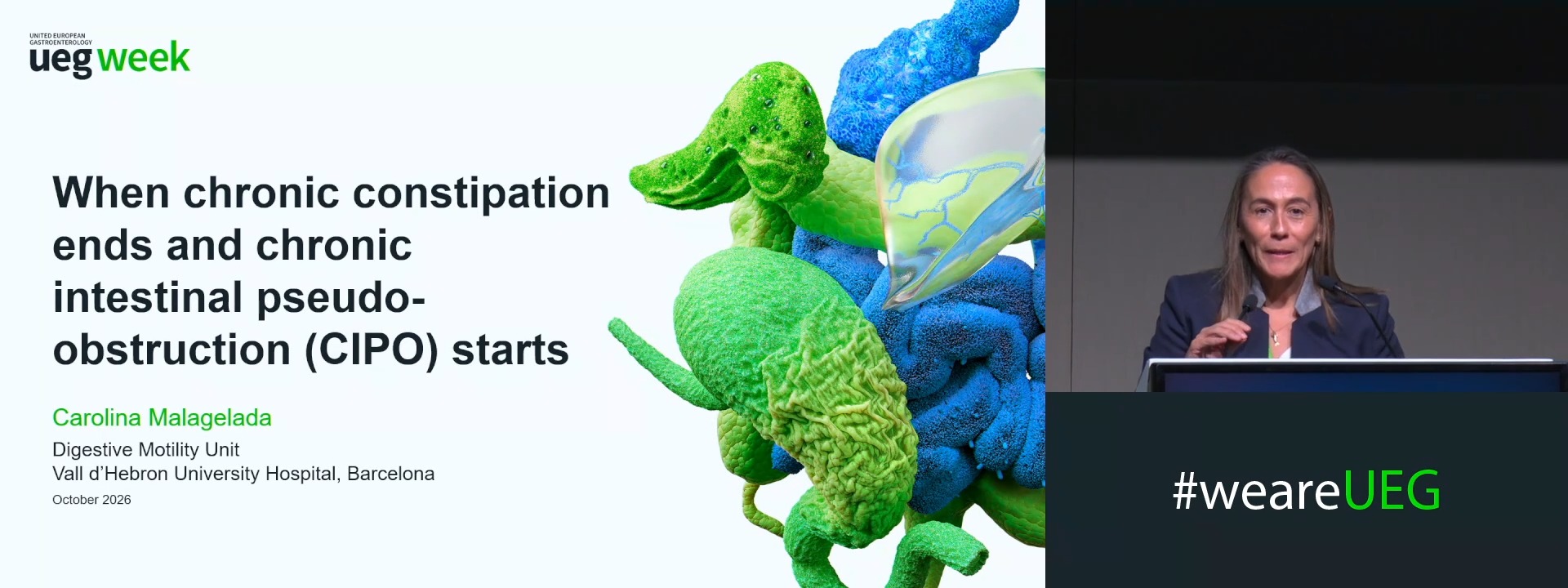
When chronic constipation ends and chronic intestinal pseudo-obstruction (CIPO) starts
Affiliations
1 Hospital Universitari Vall d`Hebron, Barcelona, Spain
Log in to continue.
This content is part of Gutflix. Log in with your myUEG account, or create one free, to watch it.
Not sure what you can access? Learn more about account types.
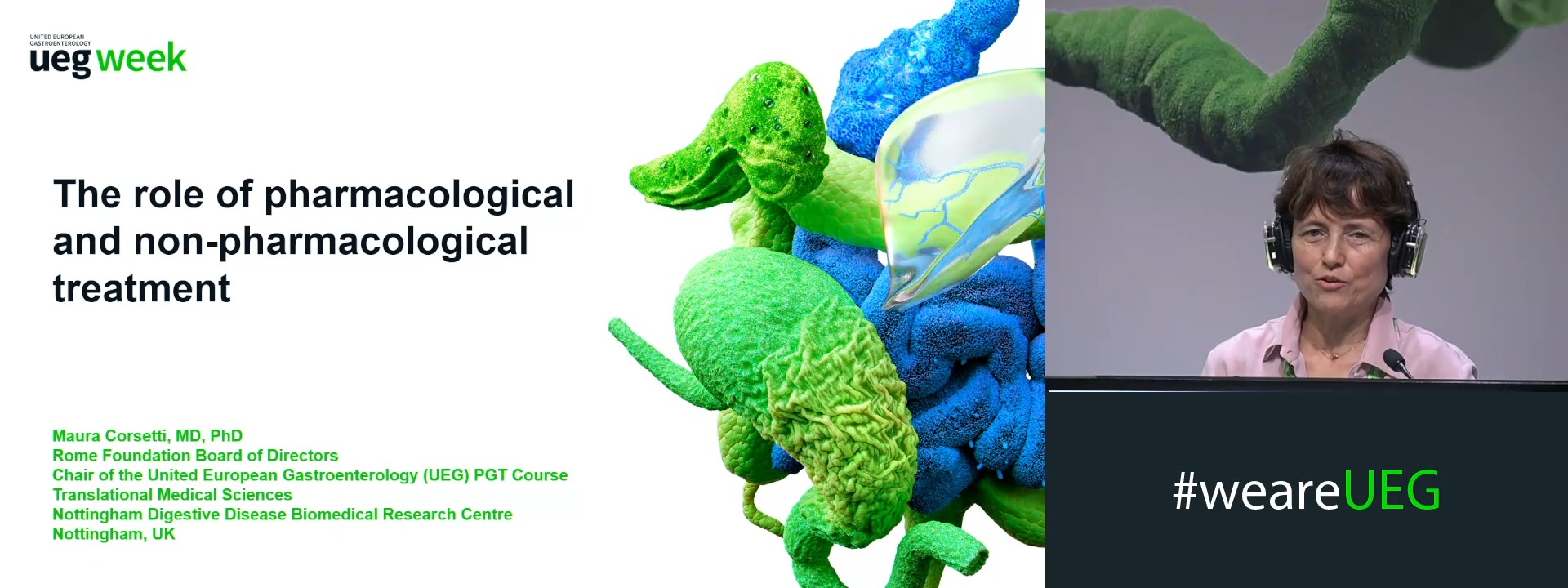
The role of pharmacological and non-pharmacological treatment
Affiliations
1 University of Nottingham, Nottingham, United Kingdom
Log in to continue.
This content is part of Gutflix. Log in with your myUEG account, or create one free, to watch it.
Not sure what you can access? Learn more about account types.
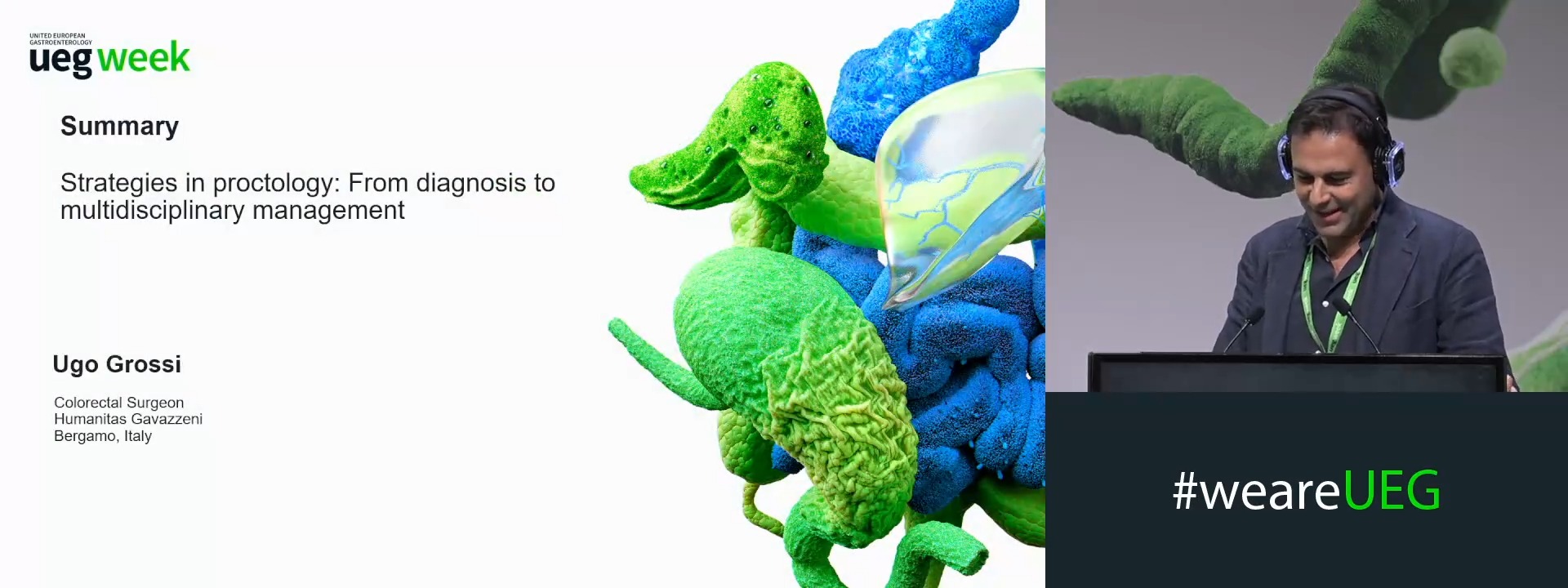
Summary: Strategies in proctology: From diagnosis to multidisciplinary management
Affiliations
1 Humanitas Gavazzeni, Bergamo, Italy