UEG Week Recordings UEG Week Posters Online courses Guidelines Mistakes in... Podcasts Webinars
new
Gut Guide online
Visit ueg.eu Create myUEG account Log In

Filters:

UEG Mistakes In Articles
Share via Email Share on Facebook Share on X Share on LinkedIn Share on Bluesky

Log in to access this content.

Free for all myUEG account holders. Your access level is set automatically based on your occupation. Medical professionals get full access to all content. If you are a non-medical user, you can only access UEG Week content from congresses you attended.

Log In Create a free account

Not sure what you can access? Learn more about account types.
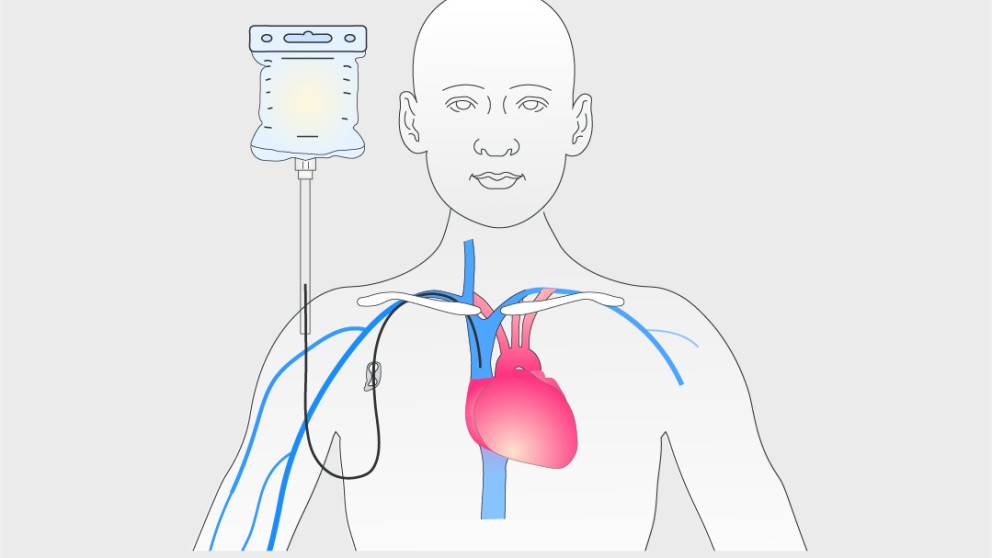
Parenteral nutrition (PN) is the intravenous delivery of nutrients, commonly used to treat intestinal failure (IF). IF occurs when gut function is insufficient to absorb macronutrients, water, or electrolytes, requiring IV supplementation to maintain health. The European Society for Clinical Nutrition and Metabolism (ESPEN) classifies IF into acute (type 1) and chronic (types 2 and 3), with chronic cases often needing long-term home parenteral nutrition (HPN). Although IF is rare, its prevalence in Europe is rising. PN formulations are complex, requiring skilled management by a specialized multi-disciplinary team to avoid complications.

Mistakes in intestinal failure and parenteral nutrition

Mistakes in intestinal failure and parenteral nutrition

Samreen Malik, Sarah Williams, Shameer Mehta

Topics

Small Intestine & Nutrition

Citation

Williams S, Malik S and Mehta S. Mistakes in intestinal failure and parenteral nutrition and how to avoid them. UEG Education 2024; 24: 18-23.

Published

2024
UEG Mistakes In Articles
New
Share via Email Share on Facebook Share on X Share on LinkedIn Share on Bluesky

Log in to access this content.

Free for all myUEG account holders. Your access level is set automatically based on your occupation. Medical professionals get full access to all content. If you are a non-medical user, you can only access UEG Week content from congresses you attended.

Log In Create a free account

Not sure what you can access? Learn more about account types.
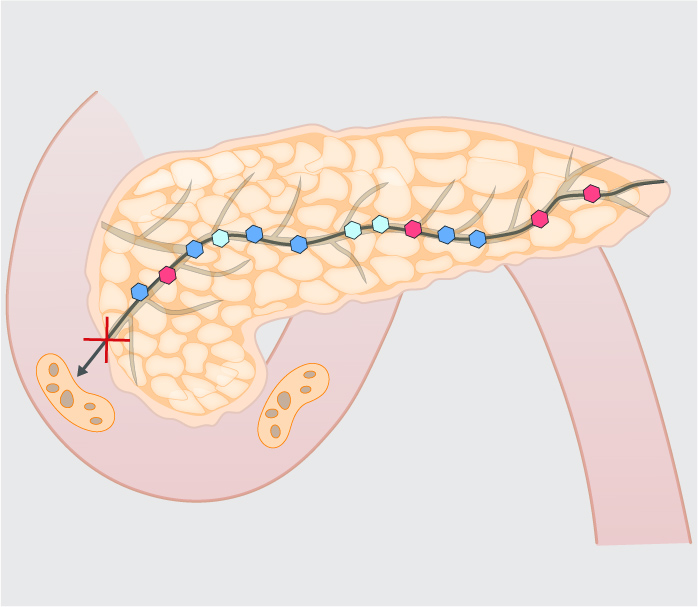
Pancreatic exocrine insufficiency (PEI) is a common yet frequently under-recognised cause of maldigestion, malabsorption, and malnutrition. Although traditionally associated with primary pancreatic disorders such as chronic pancreatitis, cystic fibrosis, pancreatic cancer, or pancreatic surgery, it is now evident that PEI also occurs in a wide range of extra-pancreatic conditions and clinical settings. Advances in diagnostic testing and expanding clinical awareness have improved detection; however, significant misconceptions persist regarding when to suspect PEI; how to interpret diagnostic tests; and how to initiate, optimise, and monitor pancreatic enzyme replacement therapy (PERT). In everyday practice, these errors may lead to delayed diagnosis, inappropriate treatment, persistent symptoms, and preventable nutritional deficiencies. This “Mistakes in…” article highlights common pitfalls in the diagnosis and management of PEI, focusing on inappropriate reliance on faecal elastase testing, failure to recognise secondary causes, undertreatment with PERT, and inadequate nutritional assessment. By addressing these frequent mistakes, we aim to promote a more structured, patient-centred, and evidence-informed approach to PEI that improves clinical outcomes and quality of life.

Mistakes in Pancreatic exocrine insufficiency and how to avoid them

Mistakes in Pancreatic exocrine insufficiency and how to avoid them

Miroslav Vujasinovic, J. Enrique Domínguez Muñoz, Matthias Löhr

Topics

Pancreas

Published

2026
UEG Mistakes In Articles
Share via Email Share on Facebook Share on X Share on LinkedIn Share on Bluesky

Log in to access this content.

Free for all myUEG account holders. Your access level is set automatically based on your occupation. Medical professionals get full access to all content. If you are a non-medical user, you can only access UEG Week content from congresses you attended.

Log In Create a free account

Not sure what you can access? Learn more about account types.

Ostomy management refers to the care and maintenance of an ostomy and involves various aspects to ensure the individual’s health, comfort, and quality of life. This should involve the patient, a close support system (family and/or friends), and a healthcare team, including ostomy nurses and healthcare professionals specialising in ostomy care.

Mistakes in ostomy management and how to avoid them

Mistakes in ostomy management and how to avoid them

Revital Barkan, Ian White, Iris Dotan

Topics

Primary Care

Published

2025
UEG Standards and Guidelines
Clinical Practice Guideline
Share via Email Share on Facebook Share on X Share on LinkedIn Share on Bluesky

Log in to access this content.

Free for all myUEG account holders. Your access level is set automatically based on your occupation. Medical professionals get full access to all content. If you are a non-medical user, you can only access UEG Week content from congresses you attended.

Log In Create a free account

Not sure what you can access? Learn more about account types.

Summary

Liver transplantation (LT) is an established life-saving procedure. The field of LT has changed in the past 10 years from several perspectives, with the expansion of indications, transplantation of patients with acute-on-chronic liver failure, evolution of transplant oncology, the use of donations after cardiac death, new surgical techniques, and prioritisation of recipients on the waiting list. In addition, the advent of organ perfusion machines, the recognition of new forms of rejection, and the attention paid to the transition from paediatric to adult patients, have all improved the management of LT recipients. The purpose of the EASL guidelines presented here is not to cover all aspects of LT but to focus on developments since the previous EASL guidelines published in 2016.

Keywords

Liver transplantation, recipient, donor, recurrence, transplant oncology, immunosuppression

EASL Clinical Practice Guidelines on liver transplantation

EASL Clinical Practice Guidelines on liver transplantation

Publisher

European Association for the Study of the Liver logo
European Association for the Study of the Liver

Guideline

Clinical Practice Guideline

Topics

Hepatobiliary

Citation

Journal of Hepatology, December 2024. vol. 81 | 1040–1086

Published

2024
Login to access
UEG Mistakes In Articles
Share via Email Share on Facebook Share on X Share on LinkedIn Share on Bluesky

Log in to access this content.

Free for all myUEG account holders. Your access level is set automatically based on your occupation. Medical professionals get full access to all content. If you are a non-medical user, you can only access UEG Week content from congresses you attended.

Log In Create a free account

Not sure what you can access? Learn more about account types.
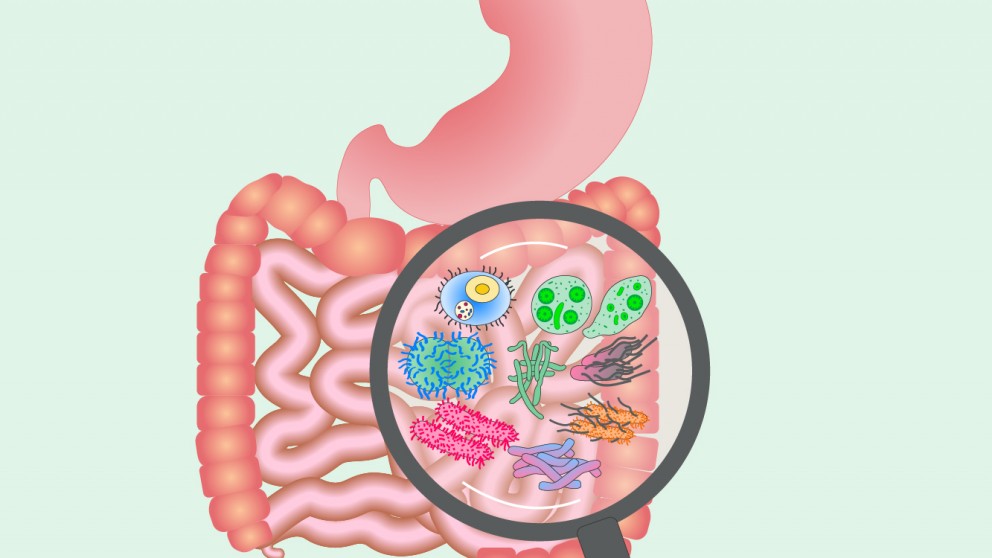
The complexity of managing inflammatory bowel disease (IBD) stems from the heterogeneity of Crohn’s disease and ulcerative colitis. This leads to differences in disease course, complications, and treatment responses among patients. Current treatment strategies rely on a trial-and-error approach, but there's a need for personalized therapy. Efforts have been made to develop reliable prognostic and predictive biomarkers to overcome disease heterogeneity. This article discusses common mistakes in biomarker development, interpretation, and application in IBD, emphasizing evidence-based insights and lessons learned from other fields.

Mistakes in biomarkers for IBD and how to avoid them

Mistakes in biomarkers for IBD and how to avoid them

James C. Lee, Chris Palmer-Jones

Topics

IBD

Citation

: Palmer-Jones C. and Lee J. C. Mistakes in biomarkers for IBD and how to avoid them. UEG Education 2023; 23: 8-11.

Published

2023
UEG Mistakes In Articles
Share via Email Share on Facebook Share on X Share on LinkedIn Share on Bluesky

Log in to access this content.

Free for all myUEG account holders. Your access level is set automatically based on your occupation. Medical professionals get full access to all content. If you are a non-medical user, you can only access UEG Week content from congresses you attended.

Log In Create a free account

Not sure what you can access? Learn more about account types.
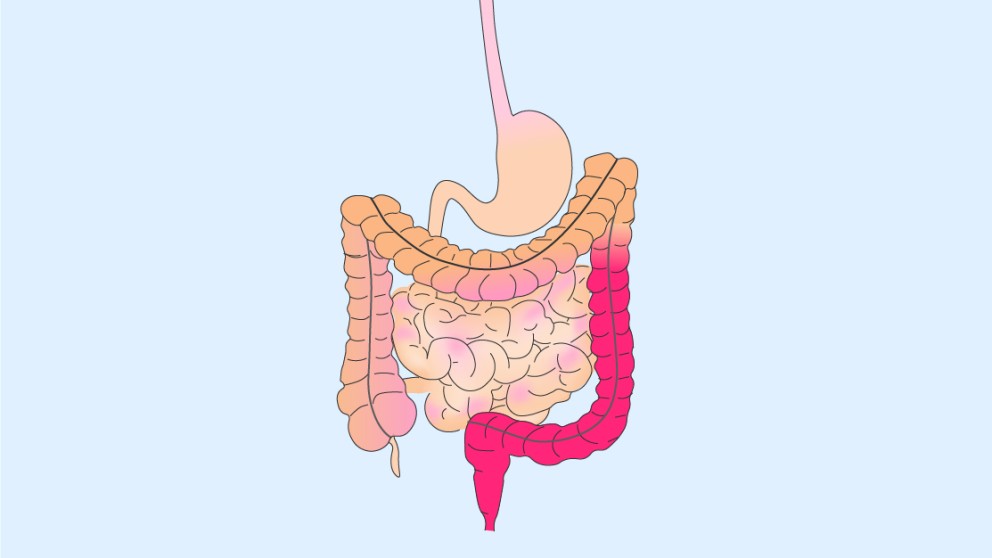
Ulcerative colitis (UC) is a lifelong inflammatory bowel disease (IBD) of unknown origin characterized by alternating flare and remission periods. An acute severe episode, so-called acute severe UC (ASUC), may happen in approximately one-quarter of patients during their life.1 Notably, more than 25% of ASUC episodes correspond to the index presentation of the disease. Patients with ASUC should be promptly identified by the modified Truelove and Witts criteria recommended by the most recent international guidelines and admitted rapidly to a digestive unit. Indeed, ASUC is a life-threatening condition still leading to a 1% death rate in Western countries. In the current article, we will discuss the most frequent and/or relevant mistakes in managing patients admitted for an ASUC episode and how to avoid them. The manuscript is based on the available evidence and expert opinion when evidence is lacking.

Mistakes in acute severe ulcerative colitis and how to avoid them

Mistakes in acute severe ulcerative colitis and how to avoid them

David Laharie

Topics

IBD

Citation

David Laharie. Mistakes in acute severe ulcerative colitis and how to avoid them. UEG Education 2023; 23: 19-21.

Published

2023
UEG Podcast Episode
UEG Podcast
Share via Email Share on Facebook Share on X Share on LinkedIn Share on Bluesky

Log in to access this content.

Free for all myUEG account holders. Your access level is set automatically based on your occupation. Medical professionals get full access to all content. If you are a non-medical user, you can only access UEG Week content from congresses you attended.

Log In Create a free account

Not sure what you can access? Learn more about account types.

Ian Gralnek on UEG Week 2024

Ian Mark Gralnek, Egle Dieninyte - Misiune

Topics

Endoscopy

Published

2025

The global reference point for the digestive health community

Platform Publisher

United European Gastroenterology

Wickenburggasse 1 1080 Vienna, Austria

Contact us

support@ueg.eu

ueg.eu

T: +43 1 997 1639

Legal

Terms & Conditions

Imprint

Privacy Policy

Explore

My Bookmarks

My recommendations

My fields of interest

© 2026 United European Gastroenterology

Change fields of interest

These fields are selected based on the interests in your myUEG profile.
Click the item to unselect it. You can select multiple items.