UEG's educational platform for gastroenterology education bringing recordings, courses, guidelines, and more together in one place.
Most popular content
Rate for better recommendations!
Your feedback helps us show you more of what you like and less of what you dislike!
Log in to access this content.
Free for all myUEG account holders. Your access level is set automatically based on your occupation. Medical professionals get full access to all content. If you are a non-medical user, you can only access UEG Week content from congresses you attended.
Not sure what you can access? Learn more about account types.
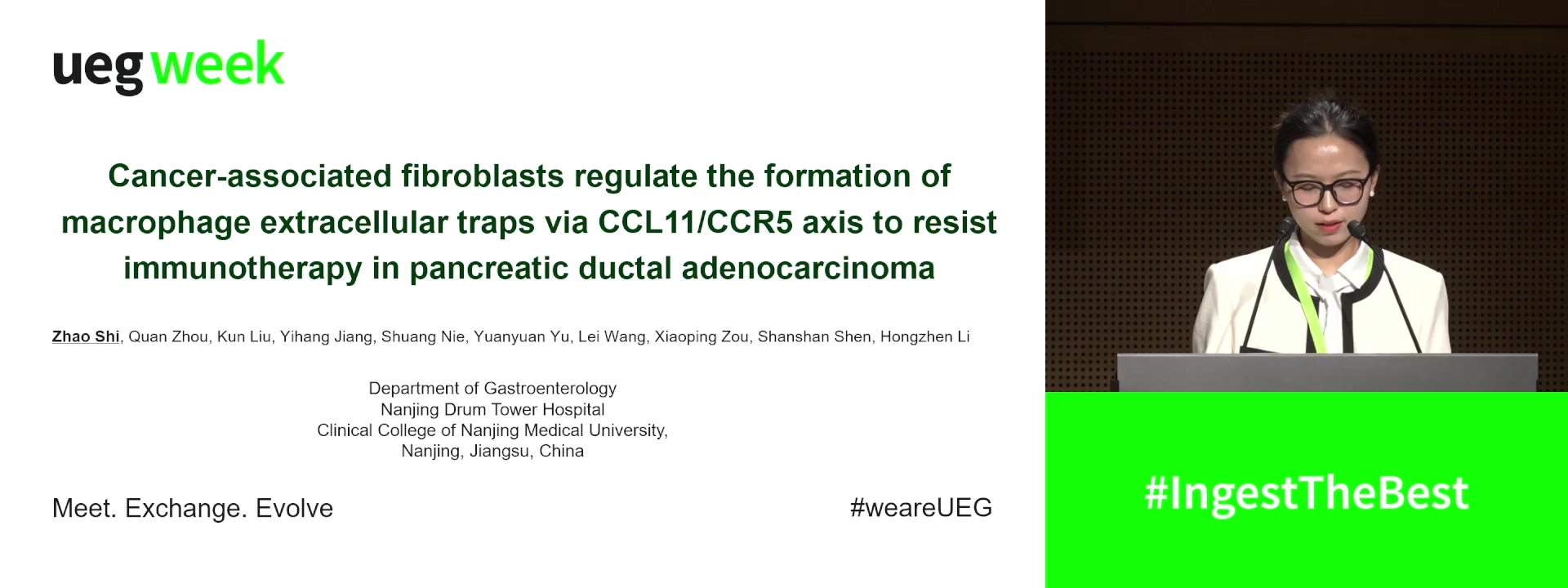
CANCER-ASSOCIATED FIBROBLASTS REGULATE THE FORMATION OF MACROPHAGE EXTRACELLULAR TRAPS VIA CCL11/CCR5 AXIS TO RESIST IMMUNOTHERAPY IN PANCREATIC DUCTAL ADENOCARCINOMA
Zhao Shi 1, Quan Zhou 2, Kun Liu 2, Yihang Jiang 2, Shuang Nie 2, Yuanyuan Yu 2, Lei Wang 2, Xiaoping Zou 2, Shanshan Shen 2, Hongzhen Li 2
1 Clinical College of Nanjing Medical University, Nanjing, China
2 The Affiliated Hospital of Nanjing University Medical School, Nanjing, China
Event
Topics
Submission format
Citation
Published
Log in to access this content.
Free for all myUEG account holders. Your access level is set automatically based on your occupation. Medical professionals get full access to all content. If you are a non-medical user, you can only access UEG Week content from congresses you attended.
Not sure what you can access? Learn more about account types.
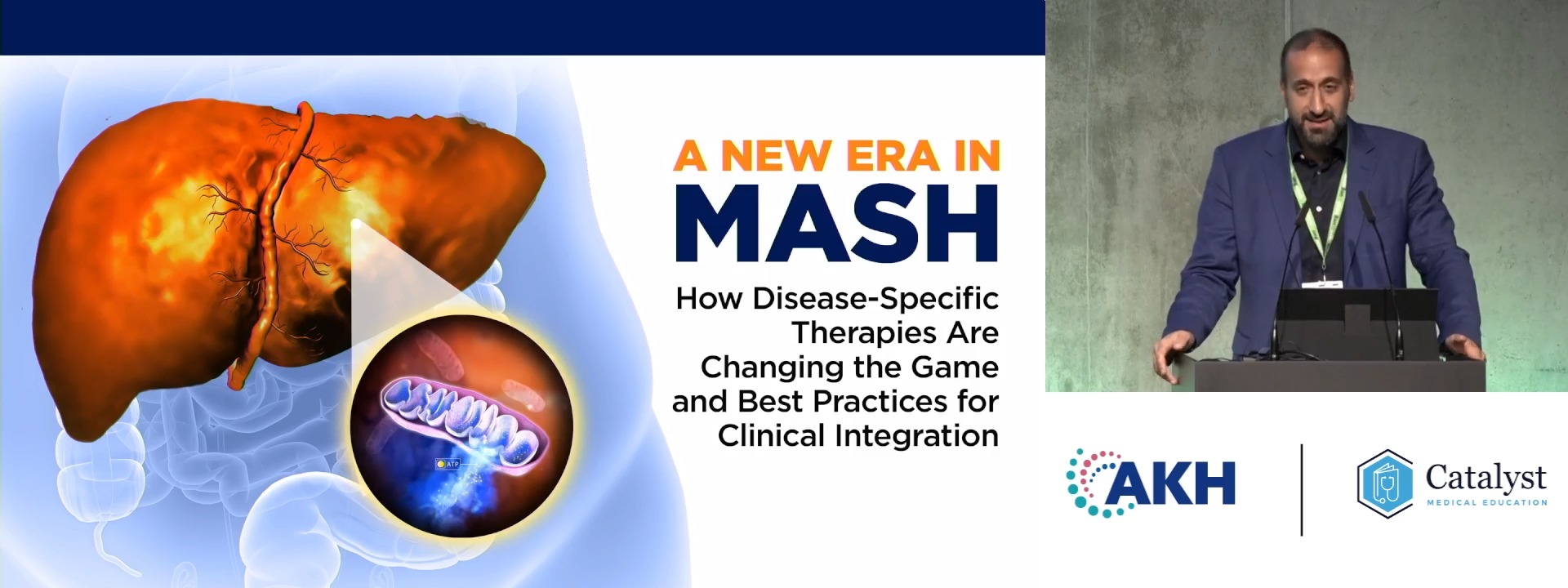
A New Era in MASH: How Disease-Specific Therapies Are Changing the Game and Best Practices for Clinical Integration (Catalyst Medical Education, LLC) (Complete Session)
1 Transplant Hepatology Arizona Liver Health Phoenix, AZ, None, United States of America
2 Department of Internal Medicine II, Saarland University Medical Center, Homburg, Germany
3 Charité Universitaetsmedizin Berlin, Dept of Hepatology & Gastroenterology, Berlin, Germany
Publisher
Event
Citation
Published
Log in to access this content.
Free for all myUEG account holders. Your access level is set automatically based on your occupation. Medical professionals get full access to all content. If you are a non-medical user, you can only access UEG Week content from congresses you attended.
Not sure what you can access? Learn more about account types.
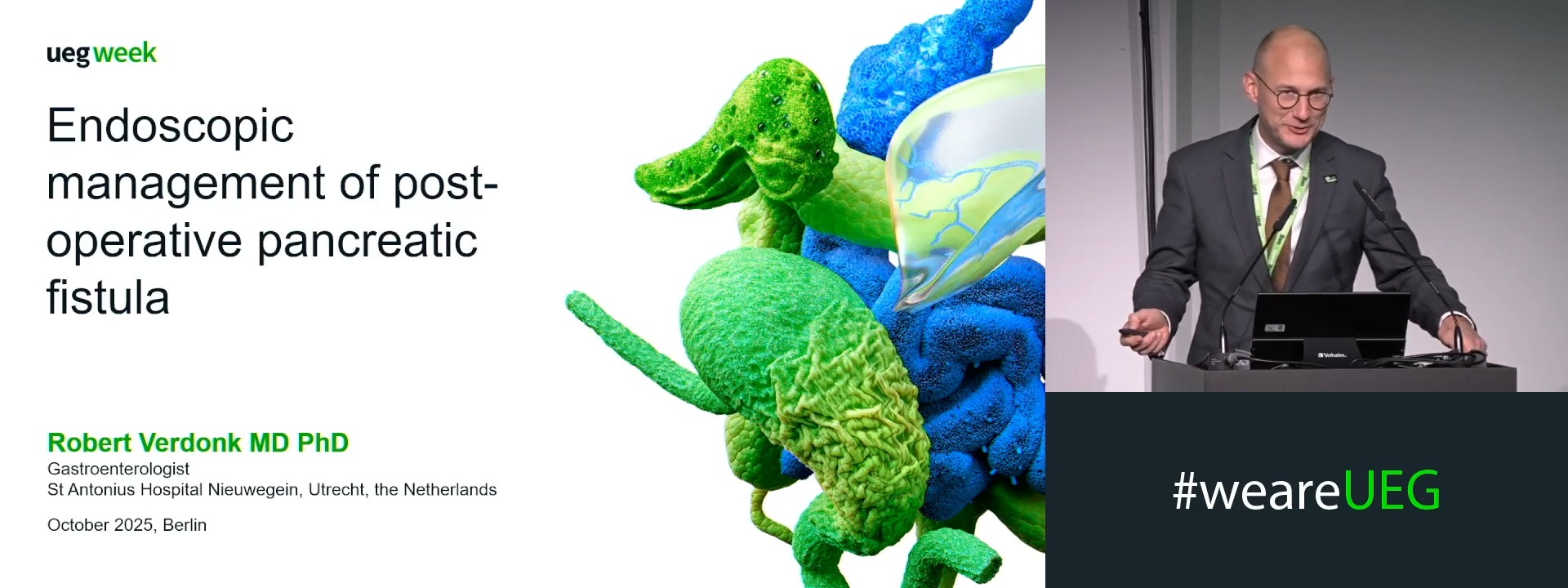
Endoscopic management of pancreatic fistulas
1 St. Antonius Ziekenhuis, Nieuwegein, Netherlands
Event
Topics
Citation
Published
Log in to access this content.
Free for all myUEG account holders. Your access level is set automatically based on your occupation. Medical professionals get full access to all content. If you are a non-medical user, you can only access UEG Week content from congresses you attended.
Not sure what you can access? Learn more about account types.
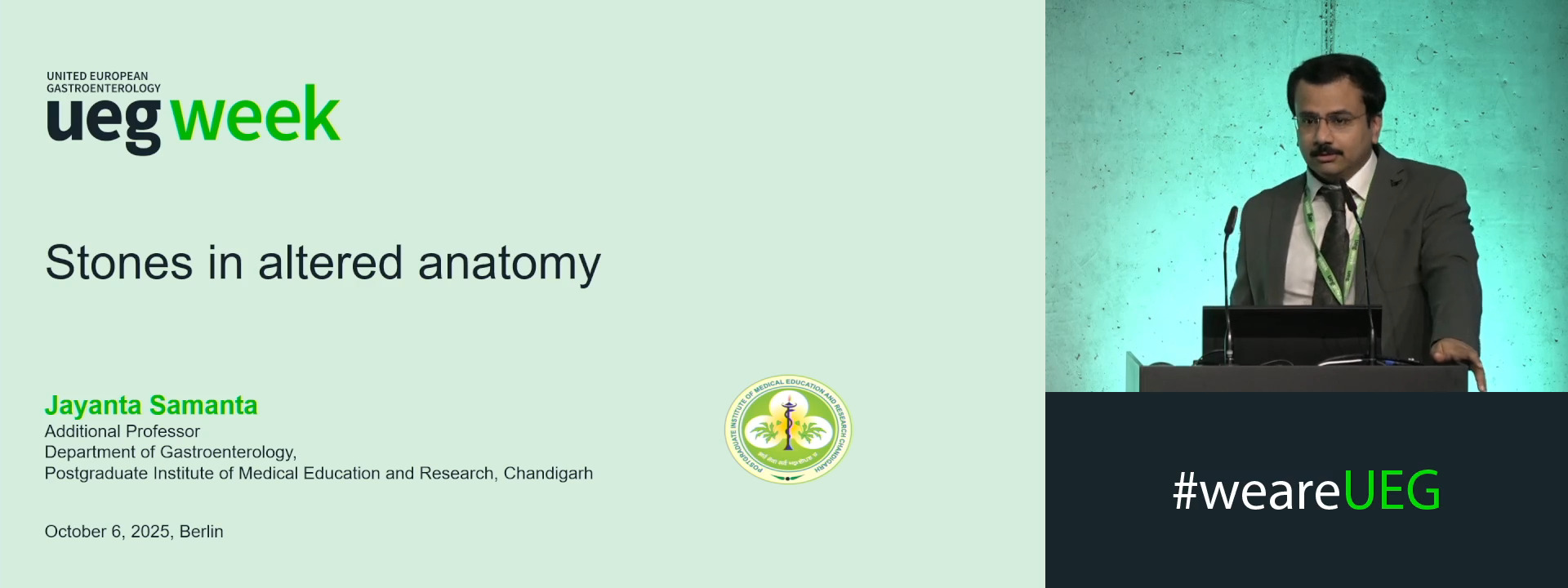
Stones in altered anatomy
1 Post Graduate Institute of Medical Education and Research, Chandigarh, Kolkata, India
Event
Topics
Citation
Published
Log in to access this content.
Free for all myUEG account holders. Your access level is set automatically based on your occupation. Medical professionals get full access to all content. If you are a non-medical user, you can only access UEG Week content from congresses you attended.
Not sure what you can access? Learn more about account types.
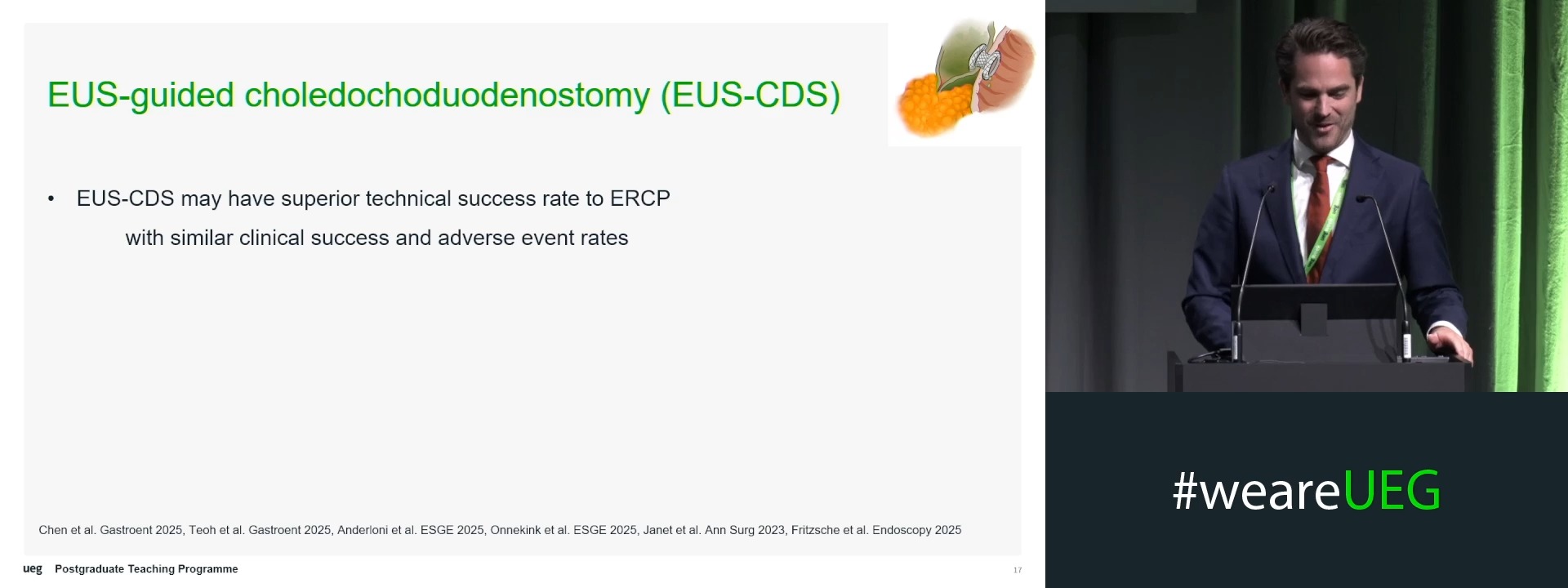
EUS guided therapeutic procedures: What is the state of the evidence?
1 Amsterdam UMC, Amsterdam, Netherlands
Event
Citation
Published
Log in to access this content.
Free for all myUEG account holders. Your access level is set automatically based on your occupation. Medical professionals get full access to all content. If you are a non-medical user, you can only access UEG Week content from congresses you attended.
Not sure what you can access? Learn more about account types.
Incidence and management of bile duct injuries
1 King Faisal Specialist Hospital & Research Centre (KFSH&RC), Riyadh, Saudi Arabia
Event
Topics
Citation
Published
Log in to access this content.
Free for all myUEG account holders. Your access level is set automatically based on your occupation. Medical professionals get full access to all content. If you are a non-medical user, you can only access UEG Week content from congresses you attended.
Not sure what you can access? Learn more about account types.
Visceral thrombosis in pancreatic disorders: Incidence and treatment algorithms
1 University of Pecs, Pecs, Hungary
Event
Topics