UEG's content platform for gastroenterology education bringing recordings, courses, guidelines, and more together in one place.
Trending on Gutflix
Rate for better recommendations!
Your feedback helps us show you more of what you like and less of what you dislike!
Log in to continue.
This content is part of Gutflix. Log in with your myUEG account, or create one free, to watch it.
Not sure what you can access? Learn more about account types.
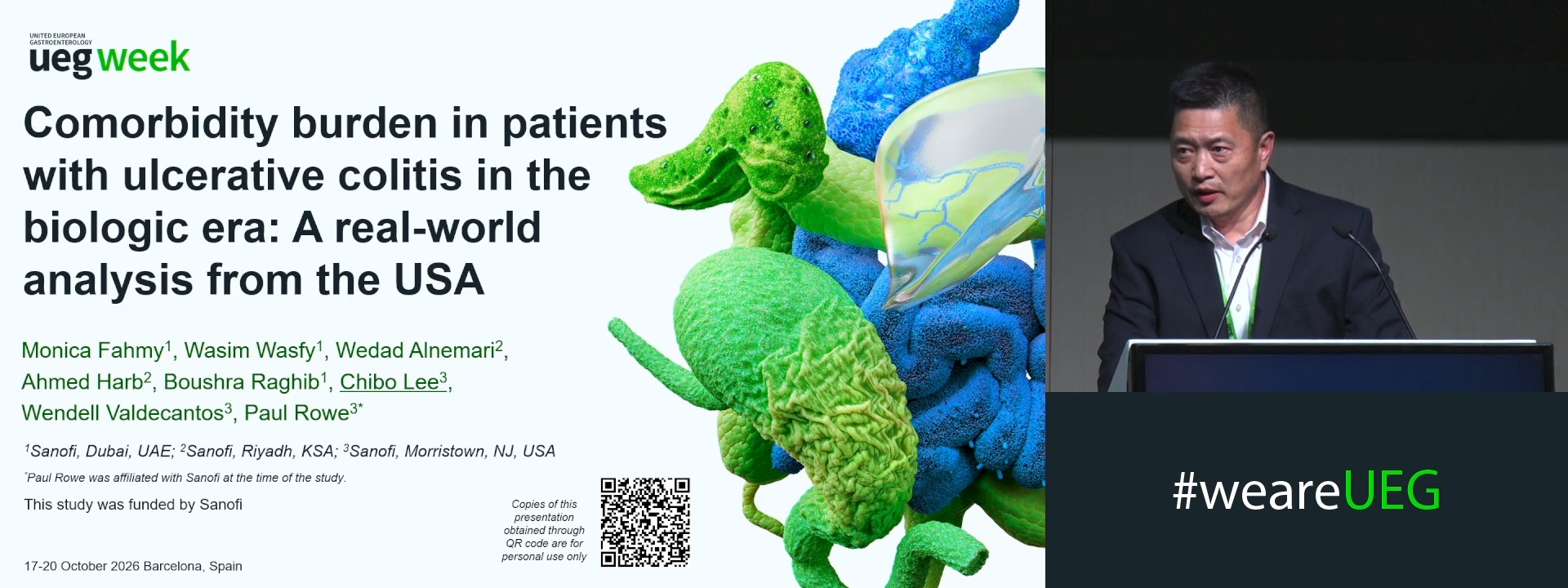
COMORBIDITY BURDEN IN PATIENTS WITH ULCERATIVE COLITIS IN THE BIOLOGIC ERA: A REAL-WORLD ANALYSIS FROM THE USA
Monica Fahmy 1, Wassem Wasfy 1, Wedad Alnemari 2, Ahmed Harb 2, Boushra Raghib 1, Chibo Lee 3, Wendell Valdecantos 3, Paul Rowe 3
Affiliations
1 Sanofi, Dubai, United Arab Emirates
2 Sanofi, Riyadh, Saudi Arabia
3 Sanofi, Morristown, United States
Log in to continue.
This content is part of Gutflix. Log in with your myUEG account, or create one free, to watch it.
Not sure what you can access? Learn more about account types.
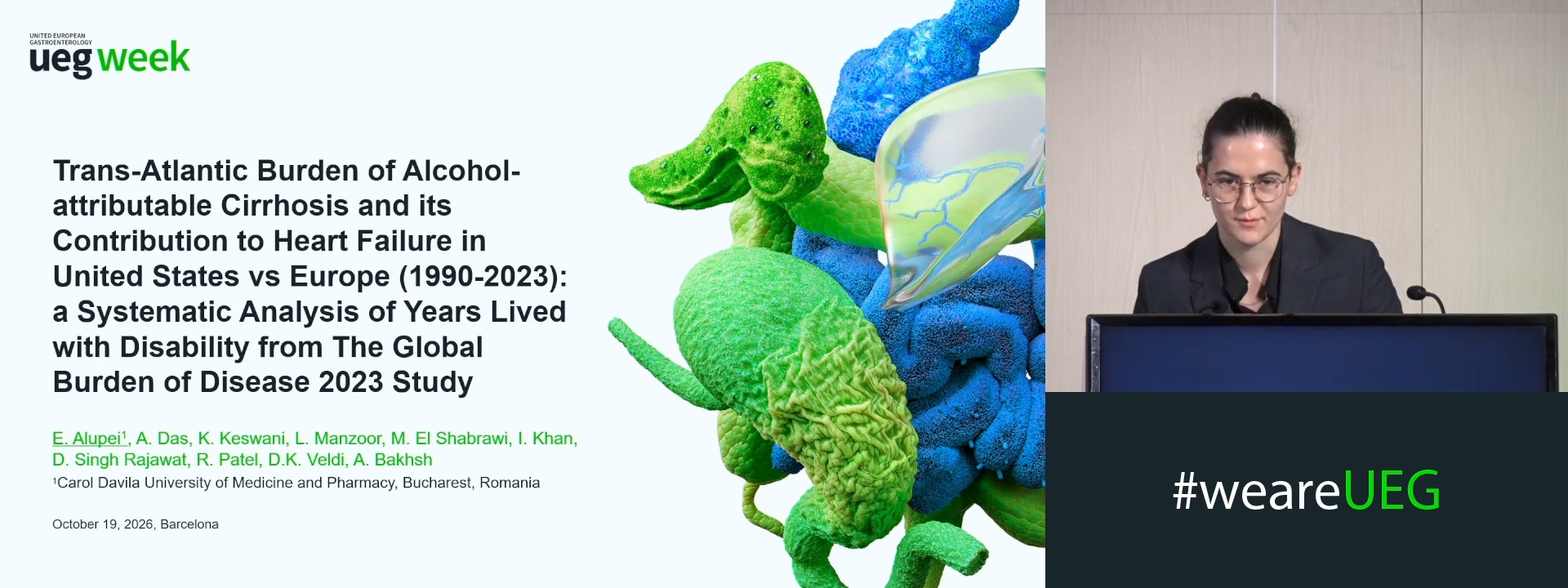
TRANS-ATLANTIC BURDEN OF ALCOHOL-ATTRIBUTABLE CIRRHOSIS AND ITS CONTRIBUTION TO HEART FAILURE IN UNITED STATES VS EUROPE (1990-2023): A SYSTEMATIC ANALYSIS OF YEARS LIVED WITH DISABILITY FROM THE GLOBAL BURDEN OF DISEASE 2023 STUDY
Elena Alupei 1, Ashesh Das 2, Krish Keswani 3, Laiba Manzoor 4, Mohamed El Shabrawi 5, Iman Khan 6, Digvijay Singh Rajawat 7, Riyakumari Patel 8, Dileep Kumar Veldi 9, Aman Bakhsh 10
Affiliations
1 Carol Davila University of Medicine and Pharmacy, Bucharest, Romania
2 Mayo Clinic, Rochester, United States
3 GMERS, Gotri, India
4 Dow University of Health Sciences, Karachi, Pakistan
5 Port Said University, Port Said, Egypt
6 Ziauddin Medical University, Karachi, Pakistan
7 AIIMS, Patna, India
8 Surat Municipal Medical College and Research Institute, Surat, India
9 Gayatri Vidhya Parishad, Visakhapatnam, India
10 Netaji Subhash Chandra Bose Medical College, Jabalpur, India
Log in to continue.
This content is part of Gutflix. Log in with your myUEG account, or create one free, to watch it.
Not sure what you can access? Learn more about account types.
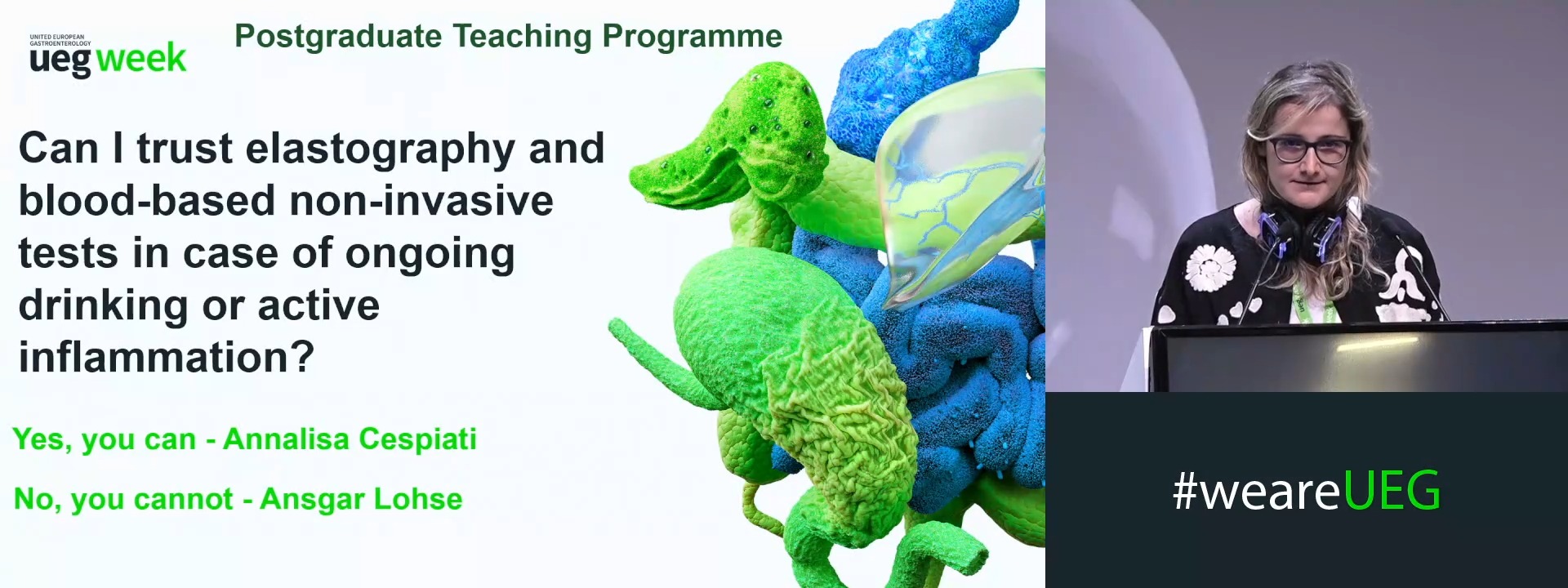
Can I trust elastography and blood-based non-invasive tests in case of ongoing drinking or active inflammation? Yes or no?
Affiliations
1 Fondazione IRCCS Ca' Granda Ospedale Maggiore Policlinico, Milan, Italy
2 University Medical Centre Hamburg-Eppendorf, Hamburg, Germany
Log in to continue.
This content is part of Gutflix. Log in with your myUEG account, or create one free, to watch it.
Not sure what you can access? Learn more about account types.
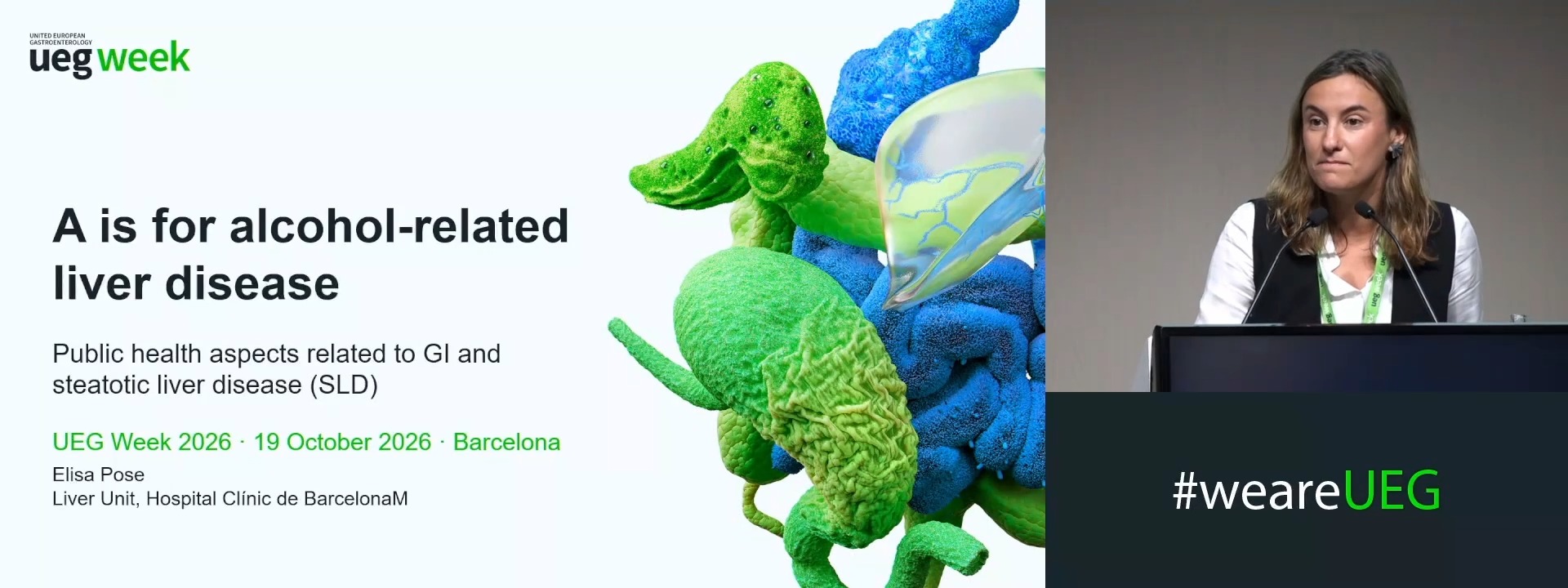
A is for alcohol-related liver disease
Affiliations
1 Hospital Clínic of Barcelona - IDIBAPS, Barcelona, Spain
Log in to continue.
This content is part of Gutflix. Log in with your myUEG account, or create one free, to watch it.
Not sure what you can access? Learn more about account types.
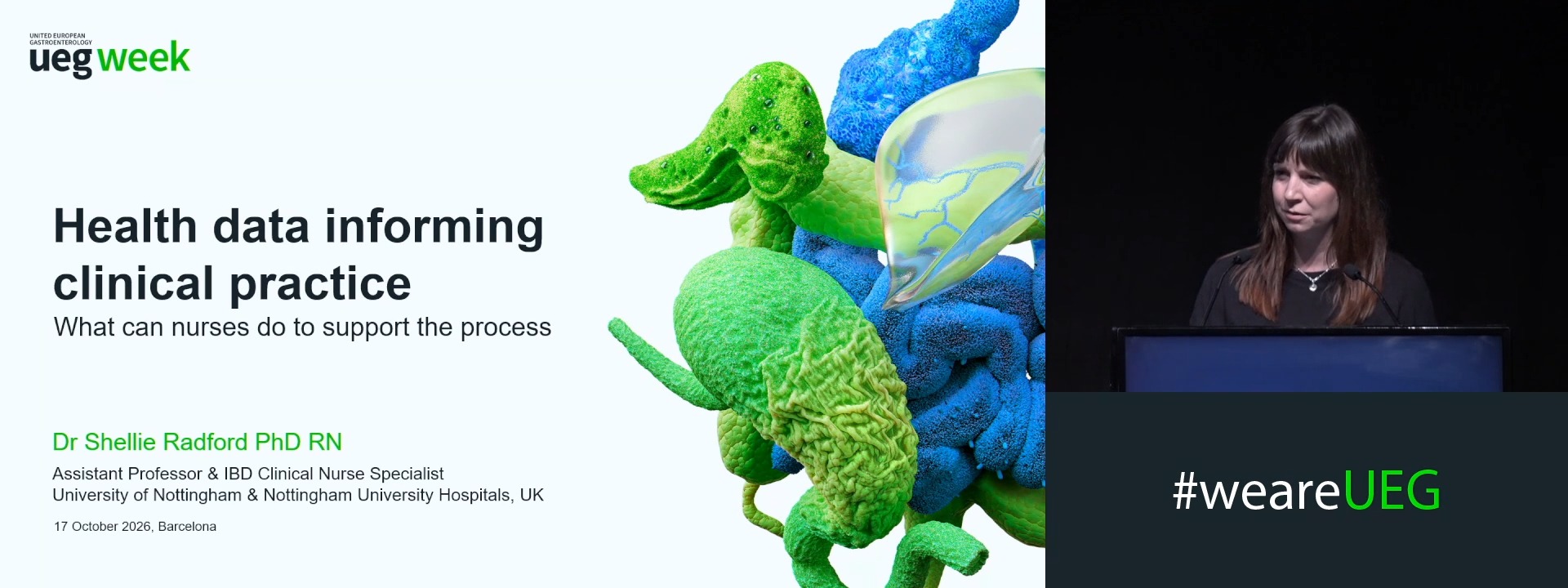
Health data informing clinical practice – what can nurses do to support the process
Affiliations
1 None, None, United Kingdom
Log in to continue.
This content is part of Gutflix. Log in with your myUEG account, or create one free, to watch it.
Not sure what you can access? Learn more about account types.
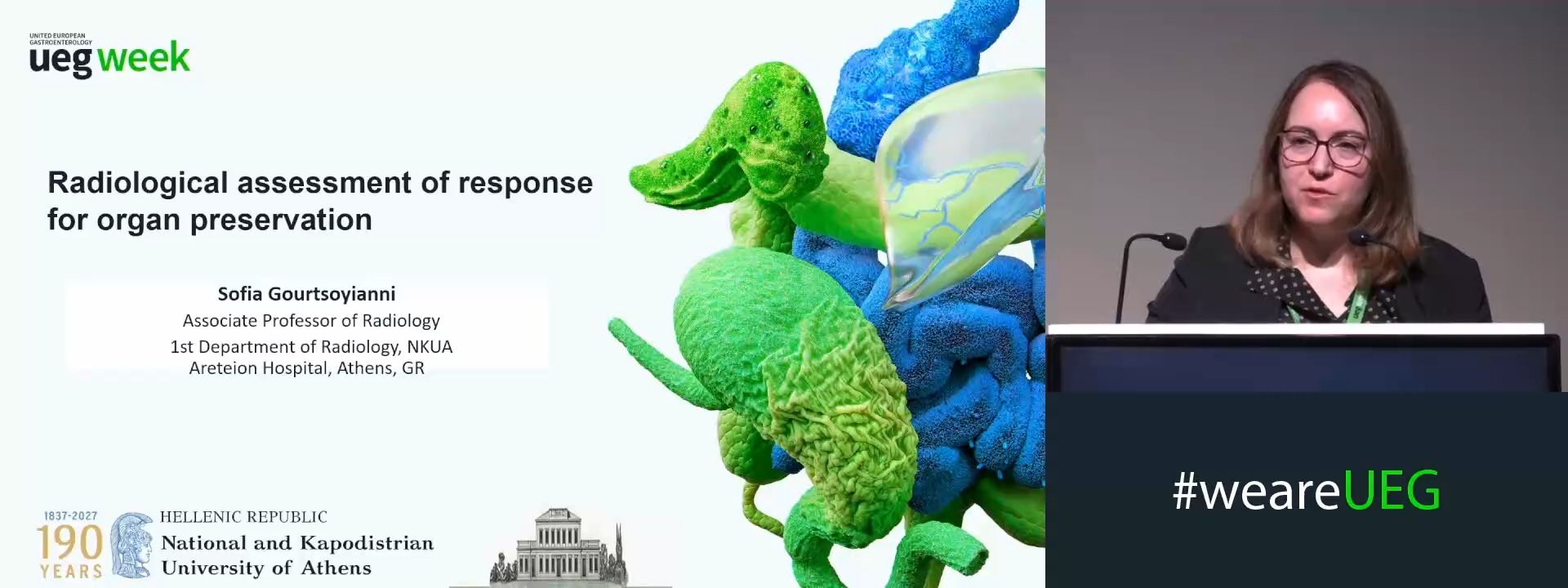
Radiological assessment of response for organ preservation: Can ctDNA help in early stage?
Affiliations
1 Centre Hospitalier Universitaire de Poitiers, Poitiers, France
2 School of Medicine, National & Kapodistrian University of Athens, Athens, Greece