UEG's educational platform for gastroenterology education bringing recordings, courses, guidelines, and more together in one place.
Most popular content
Rate for better recommendations!
Your feedback helps us show you more of what you like and less of what you dislike!
Log in to access this content.
Free for all myUEG account holders. Your access level is set automatically based on your occupation. Medical professionals get full access to all content. If you are a non-medical user, you can only access UEG Week content from congresses you attended.
Not sure what you can access? Learn more about account types.
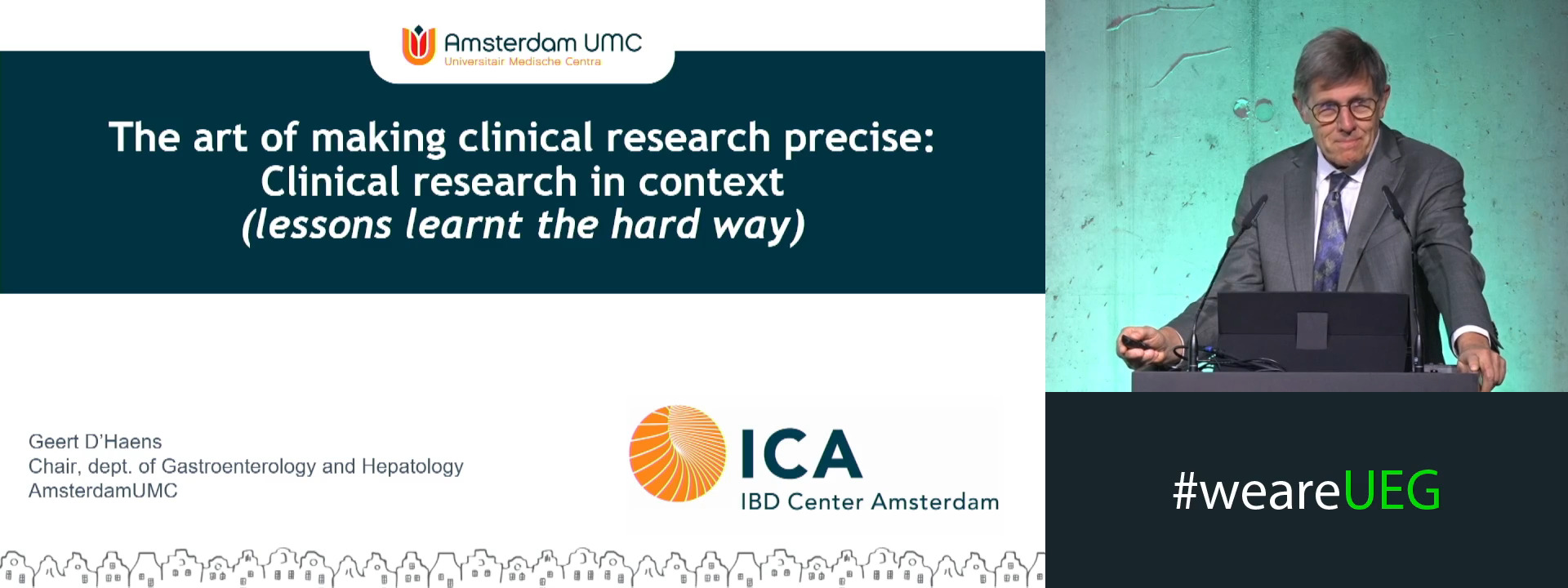
Teaming up with pharma? Re-use of pre-clinical and clinical trial data - Clinical and pharmaceutical perspective
1 Amsterdam University Medical Centers, Amsterdam, Netherlands
Event
Citation
Published
Log in to access this content.
Free for all myUEG account holders. Your access level is set automatically based on your occupation. Medical professionals get full access to all content. If you are a non-medical user, you can only access UEG Week content from congresses you attended.
Not sure what you can access? Learn more about account types.
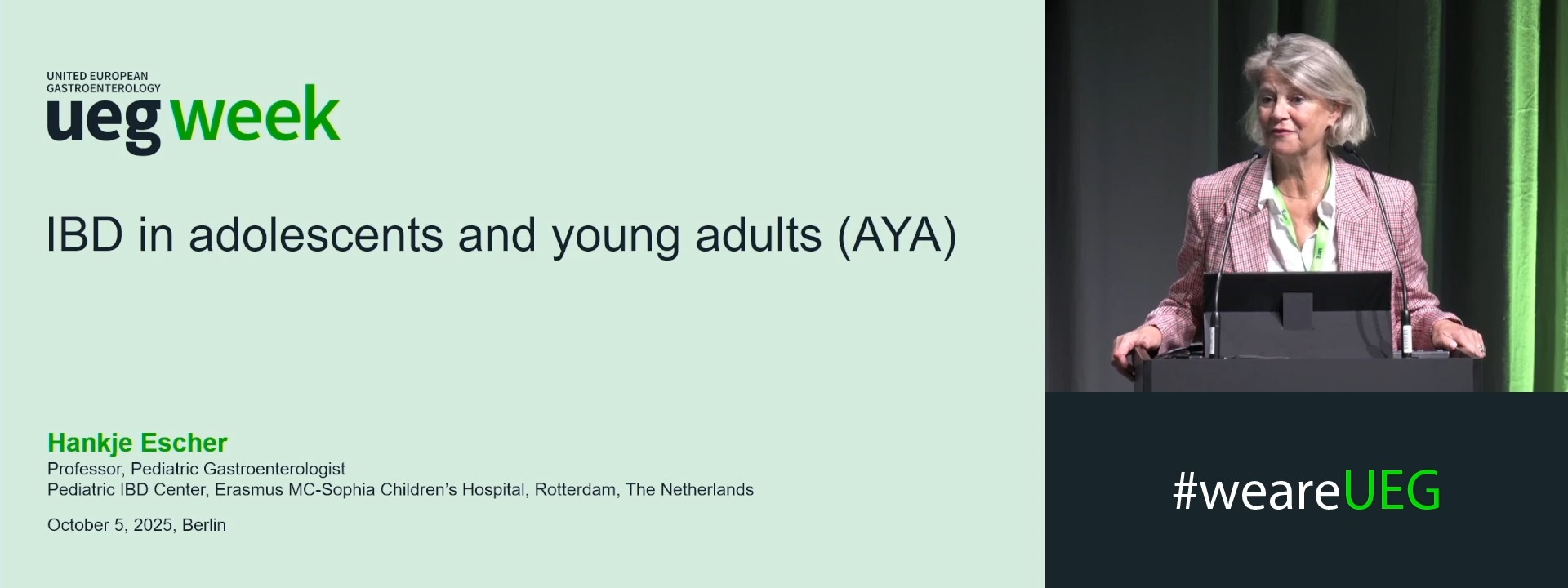
AYA: Adolescents and young adults
1 Erasmus Medical Center, Rotterdam, Netherlands
Event
Topics
Session
Citation
Published
Log in to access this content.
Free for all myUEG account holders. Your access level is set automatically based on your occupation. Medical professionals get full access to all content. If you are a non-medical user, you can only access UEG Week content from congresses you attended.
Not sure what you can access? Learn more about account types.
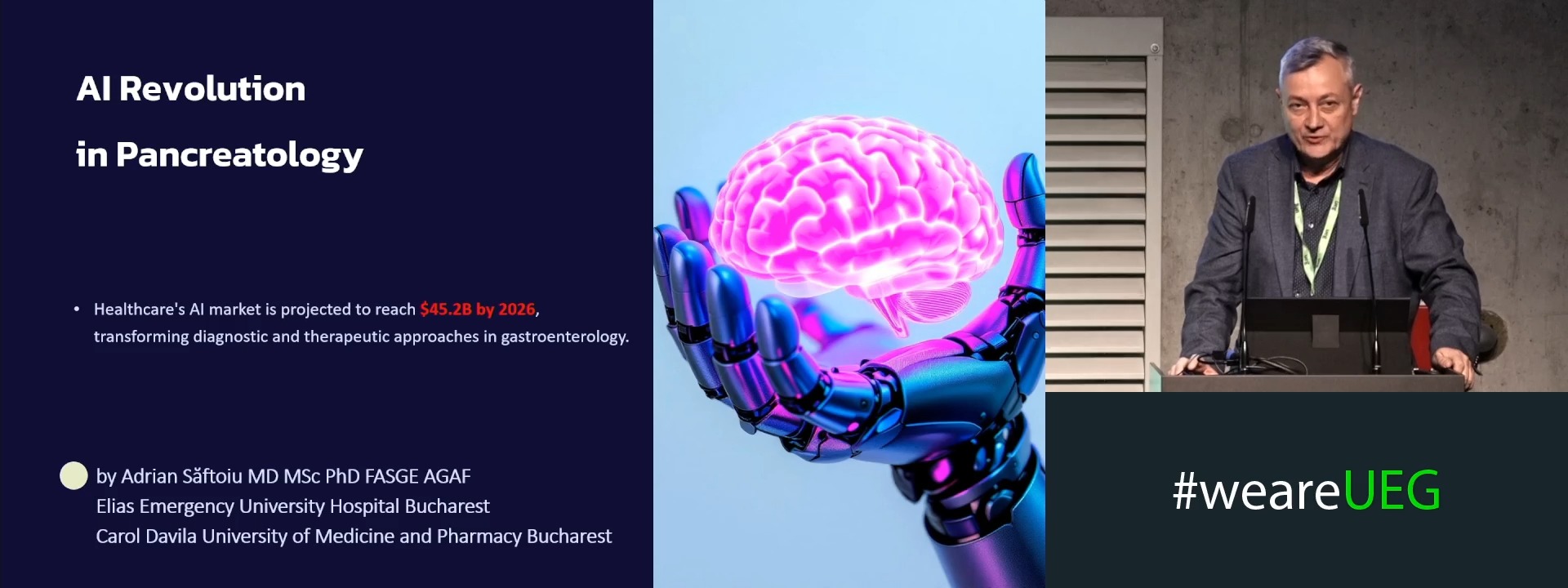
Artifical intelligence in pancreatic imaging
1 University of Medicine and Pharmacy Craiova, Craiova, Romania
Event
Topics
Citation
Published
Log in to access this content.
Free for all myUEG account holders. Your access level is set automatically based on your occupation. Medical professionals get full access to all content. If you are a non-medical user, you can only access UEG Week content from congresses you attended.
Not sure what you can access? Learn more about account types.
Introduction: UEG Journal Session
1 Universitätsklinikum Göttingen, Hamburg, Germany
Event
Topics
Citation
Published
Log in to access this content.
Free for all myUEG account holders. Your access level is set automatically based on your occupation. Medical professionals get full access to all content. If you are a non-medical user, you can only access UEG Week content from congresses you attended.
Not sure what you can access? Learn more about account types.
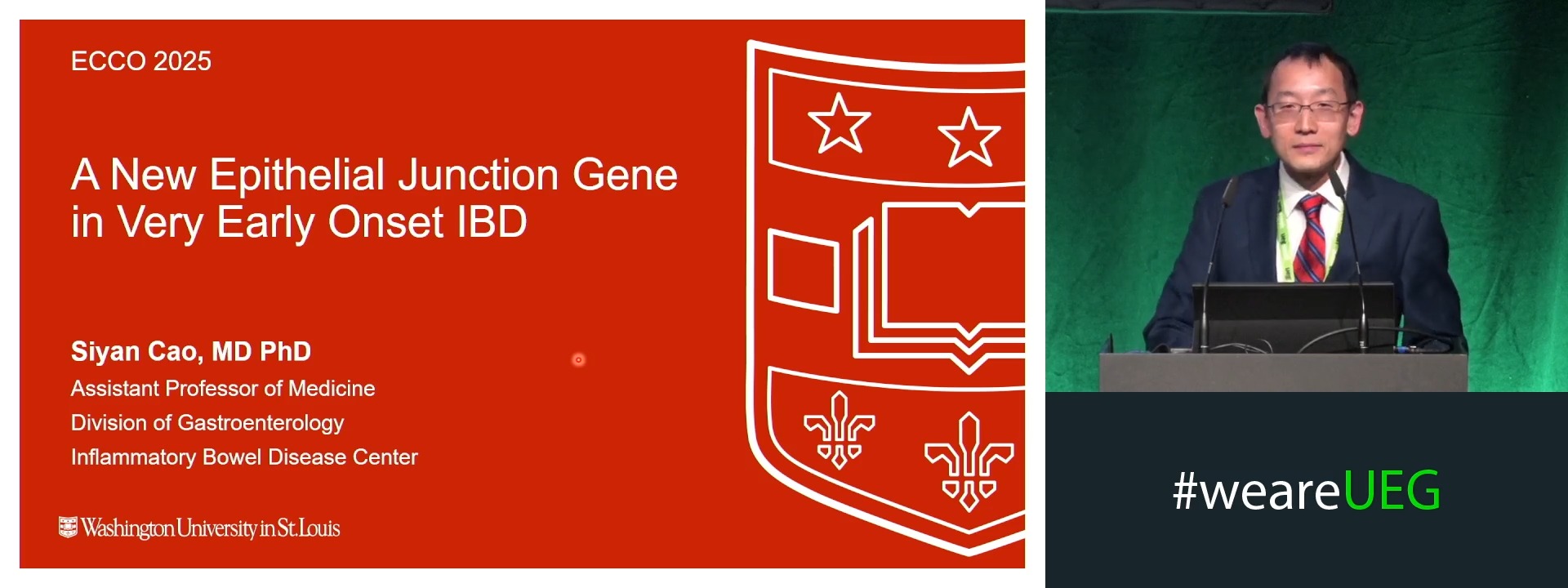
NEW PATHOGENIC MUTATIONS IN AN EPITHELIAL JUNCTION GENE CONTRIBUTING TO VERY EARLY ONSET INFLAMMATORY BOWEL DISEASE
1 Washington University in St. Louis, St. Luis, United States
2 Washington University in St. Louis, St. Louis, United States
3 Matthew Ciorba, MD Professor of Medicine, Director of Inflammatory Bowel Disease Center, Waschington University in Saint Louis, Washington DC, United States
Event
Submission format
Session
Citation
Published
Log in to access this content.
Free for all myUEG account holders. Your access level is set automatically based on your occupation. Medical professionals get full access to all content. If you are a non-medical user, you can only access UEG Week content from congresses you attended.
Not sure what you can access? Learn more about account types.
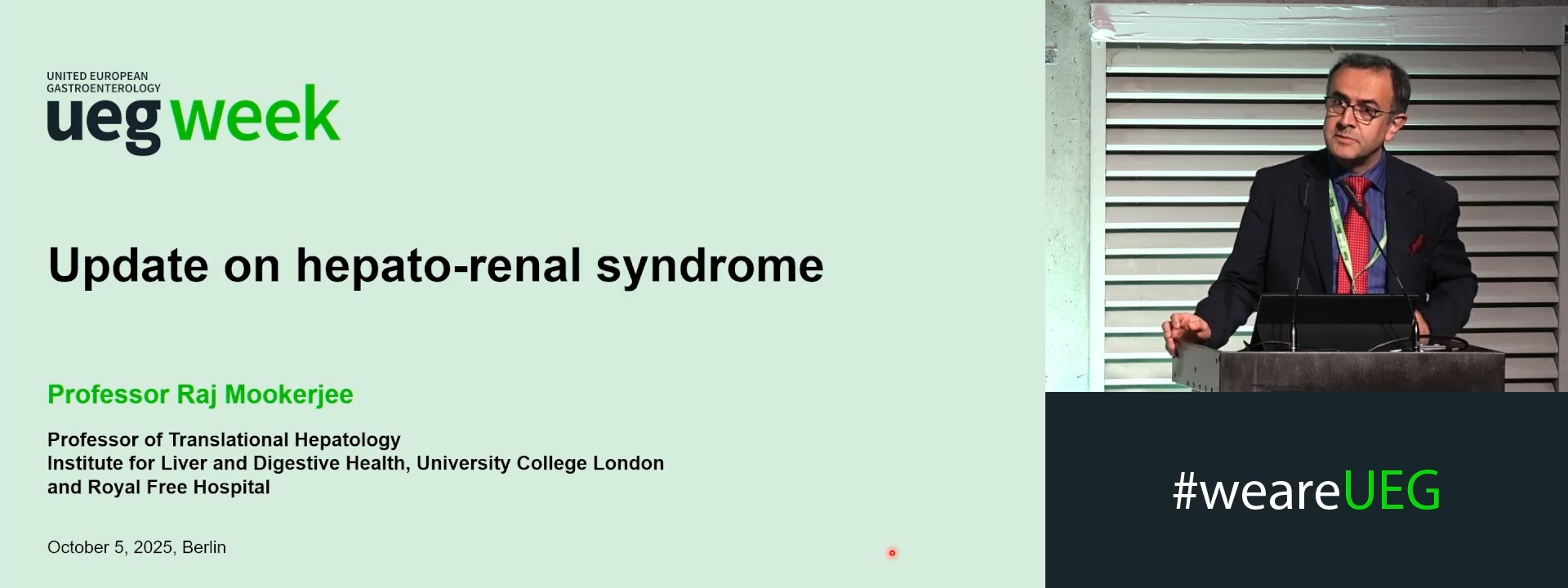
Update on hepatorenal syndrome
1 UCL Institute of Hepatology, University College London, UK, London, United Kingdom
Event
Topics
Citation
Published
Log in to access this content.
Free for all myUEG account holders. Your access level is set automatically based on your occupation. Medical professionals get full access to all content. If you are a non-medical user, you can only access UEG Week content from congresses you attended.
Not sure what you can access? Learn more about account types.
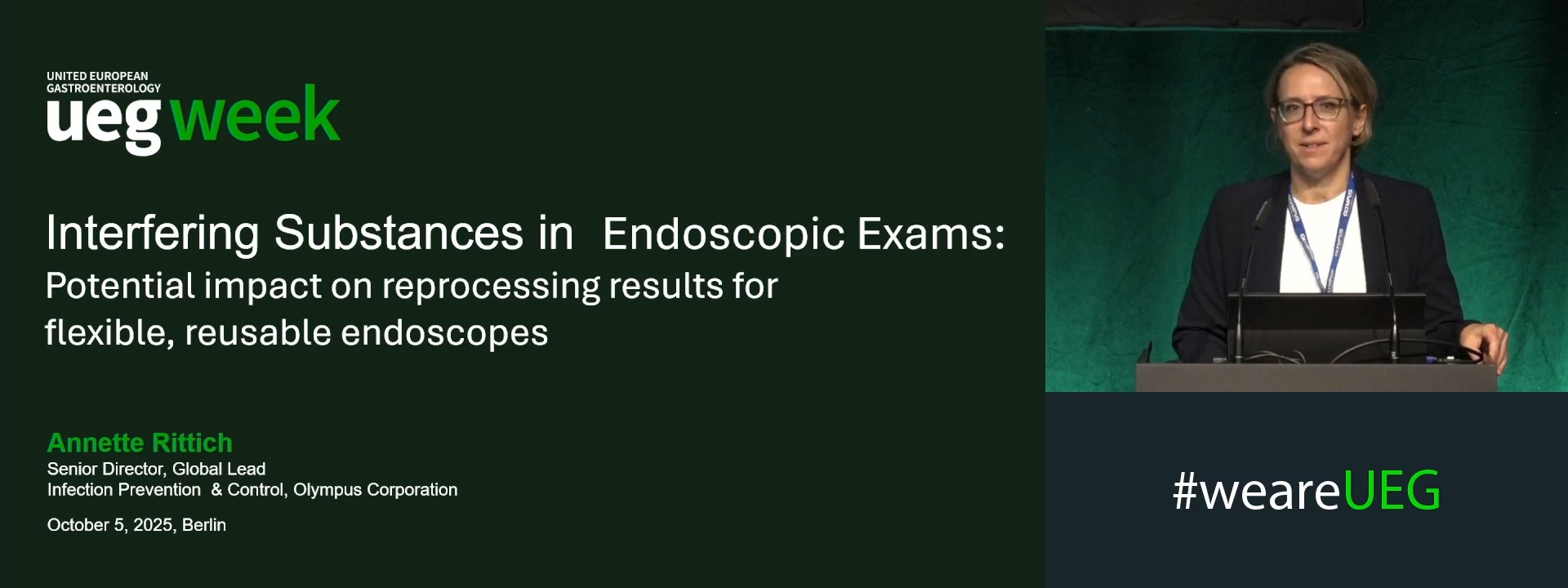
Interfering substances effect endoscope reprocessing
1 None, Hamburg, Germany
Event
Topics
Session