UEG's content platform for gastroenterology education bringing recordings, courses, guidelines, and more together in one place.
Trending on Gutflix
Rate for better recommendations!
Your feedback helps us show you more of what you like and less of what you dislike!
Log in to continue.
This content is part of Gutflix. Log in with your myUEG account, or create one free, to watch it.
Not sure what you can access? Learn more about account types.
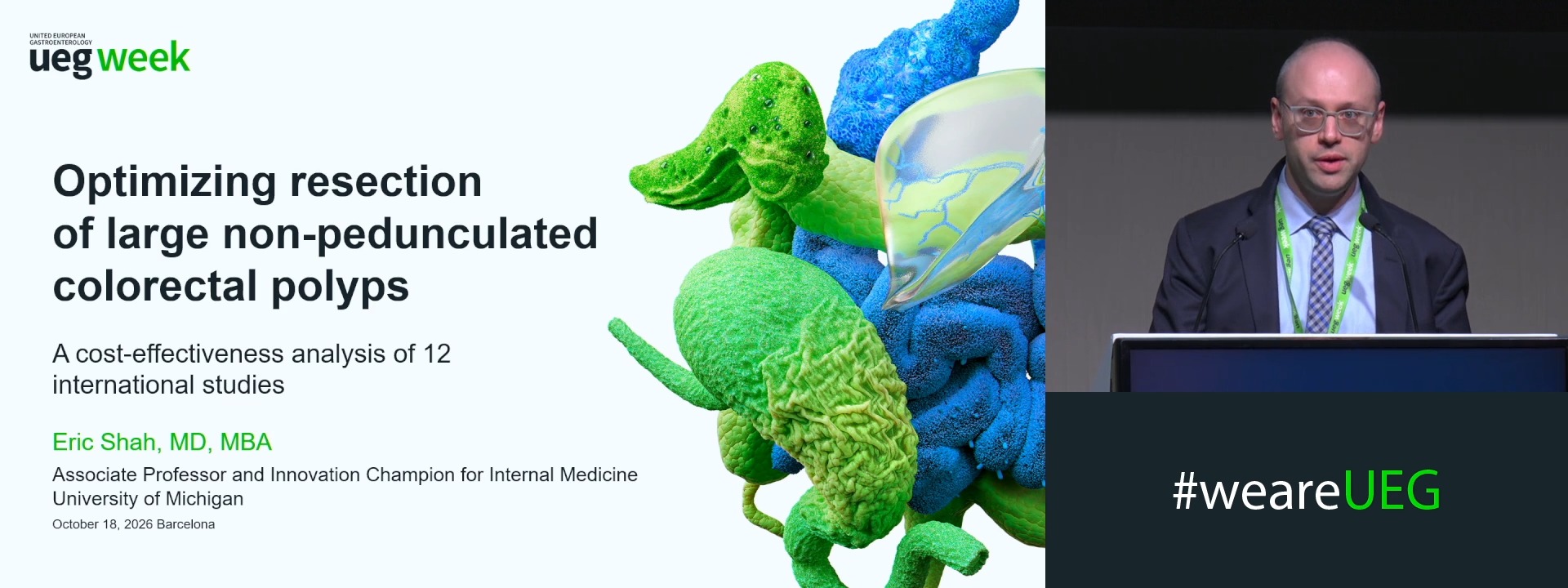
OPTIMIZING RESECTION OF LARGE NON-PEDUNCULATED COLORECTAL POLYPS: A COST-EFFECTIVENESS ANALYSIS OF 12 INTERNATIONAL STUDIES
Affiliations
1 University of Michigan, Ann Arbor, United States
2 Indiana University Health, Indianapolis, United States
3 University of Montreal Hospital Center, Montreal, Canada
4 Veterans Affairs Medical Center, White River Junction, United States
Log in to continue.
This content is part of Gutflix. Log in with your myUEG account, or create one free, to watch it.
Not sure what you can access? Learn more about account types.
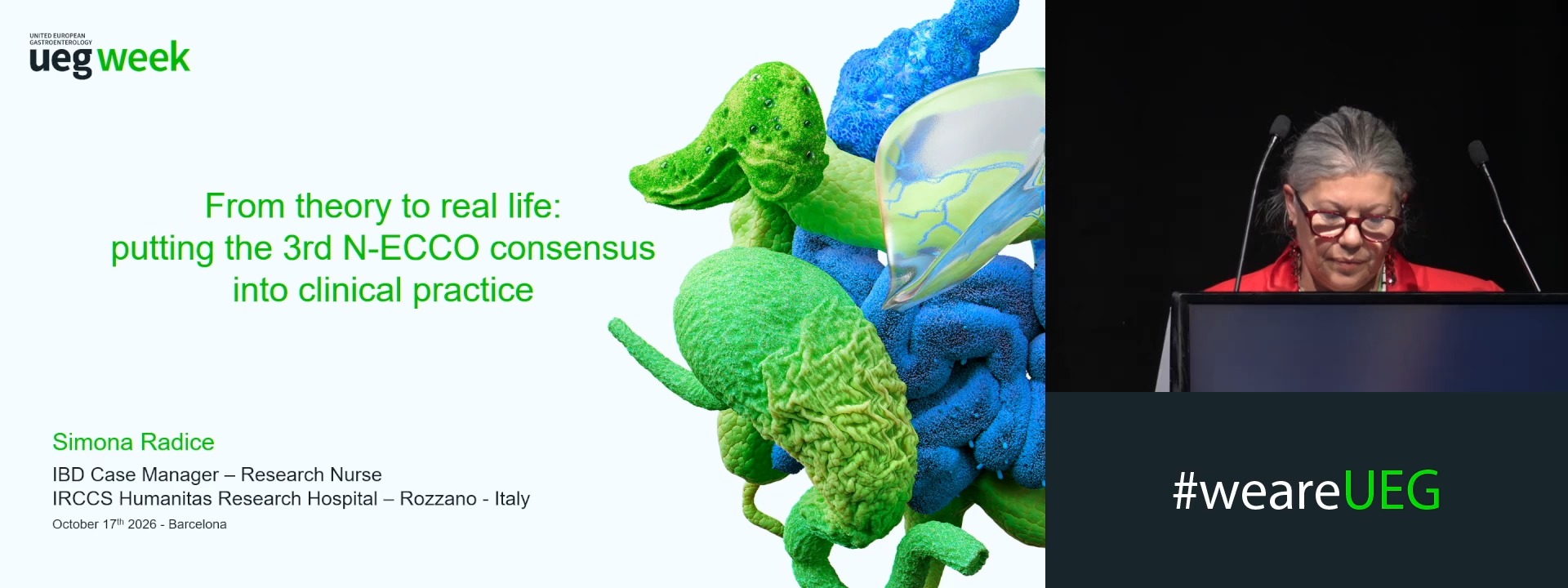
From theory to real life: Putting the 3rd N-ECCO consensus into clinical practice
Affiliations
1 San Rafaele Research Hospital, Milan, Italy
Log in to continue.
This content is part of Gutflix. Log in with your myUEG account, or create one free, to watch it.
Not sure what you can access? Learn more about account types.
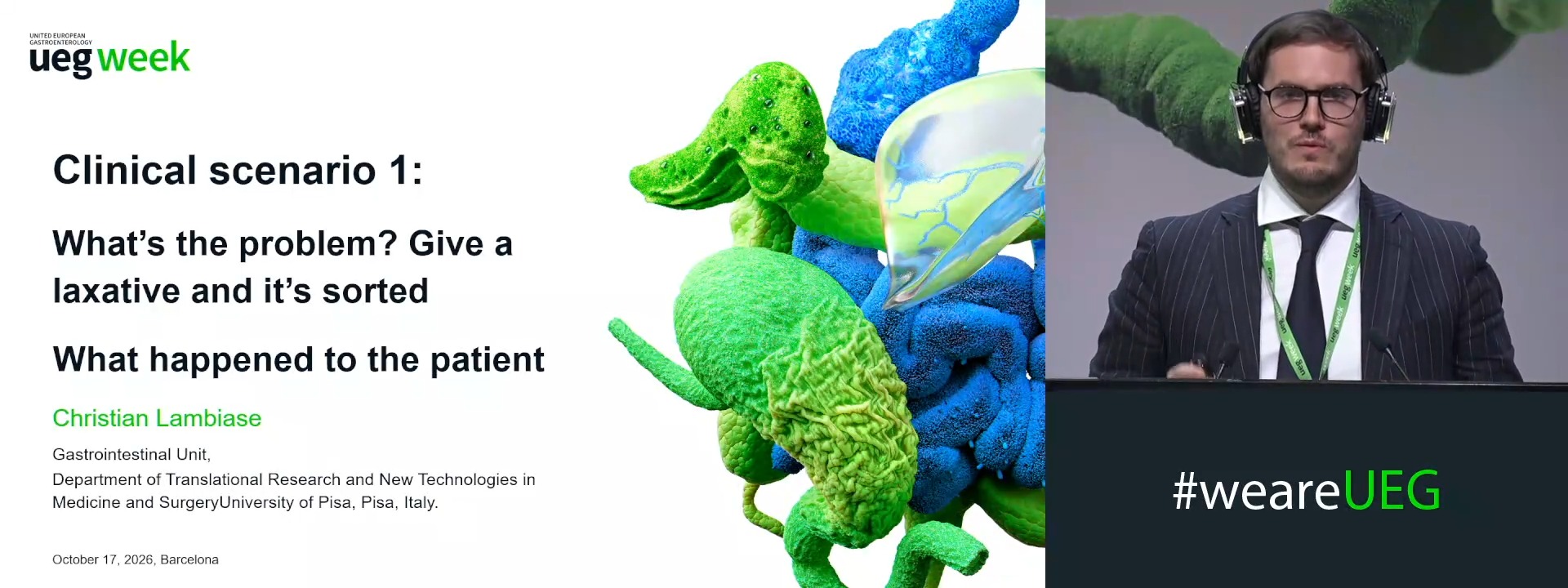
Summary: What happened to the patient?
Affiliations
1 Gastrointestinal Unit, Department of Translational Sciences and New Technologies in Medicine and Surgery, University of Pisa, Pisa, Italy
Log in to continue.
This content is part of Gutflix. Log in with your myUEG account, or create one free, to watch it.
Not sure what you can access? Learn more about account types.
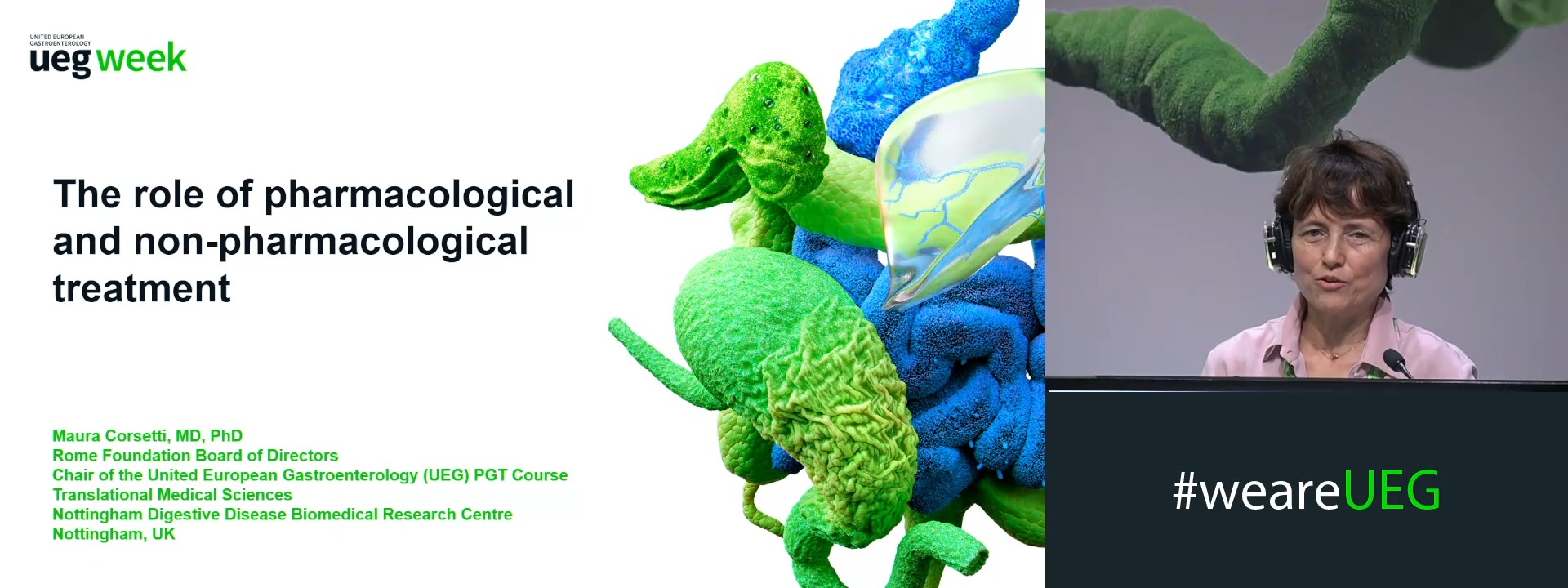
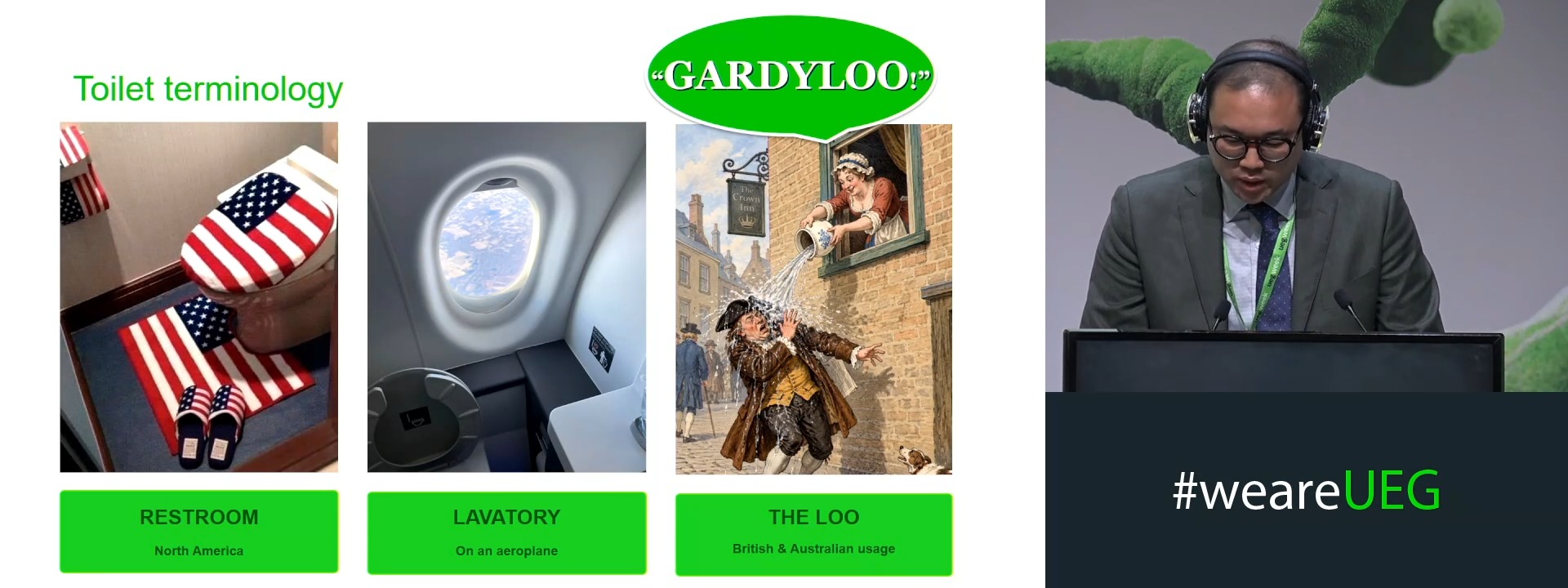
The role of pharmacological and non-pharmacological treatment
Affiliations
1 University of Nottingham, Nottingham, United Kingdom
Log in to continue.
This content is part of Gutflix. Log in with your myUEG account, or create one free, to watch it.
Not sure what you can access? Learn more about account types.
Clinical scenario 2: The squataloo - when constipation is due to abnormal defecatory behaviour
Affiliations
1 Royal North Shore Hospital, Sydney, Australia
Log in to continue.
This content is part of Gutflix. Log in with your myUEG account, or create one free, to watch it.
Not sure what you can access? Learn more about account types.
Q&A: Comparative discussion: Choosing the right tool for the right patient
Log in to continue.
This content is part of Gutflix. Log in with your myUEG account, or create one free, to watch it.
Not sure what you can access? Learn more about account types.
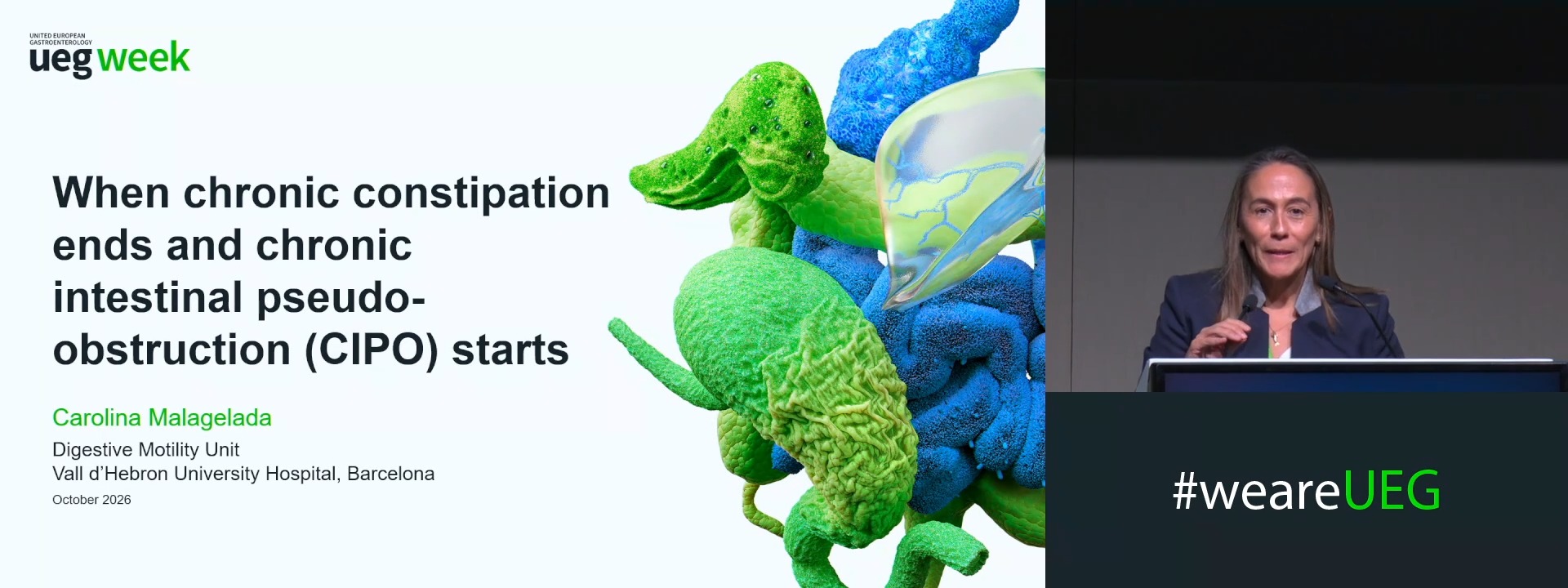
When chronic constipation ends and chronic intestinal pseudo-obstruction (CIPO) starts
Affiliations
1 Hospital Universitari Vall d`Hebron, Barcelona, Spain