UEG Week Recordings UEG Week Posters Online courses Guidelines Mistakes in... Podcasts Webinars
new
Gut Guide online
Visit ueg.eu Create myUEG account Log In

Filters:

UEG Mistakes In Articles
Share via Email Share on Facebook Share on X Share on LinkedIn Share on Bluesky

Log in to access this content.

Free for all myUEG account holders. Your access level is set automatically based on your occupation. Medical professionals get full access to all content. If you are a non-medical user, you can only access UEG Week content from congresses you attended.

Log In Create a free account

Not sure what you can access? Learn more about account types.
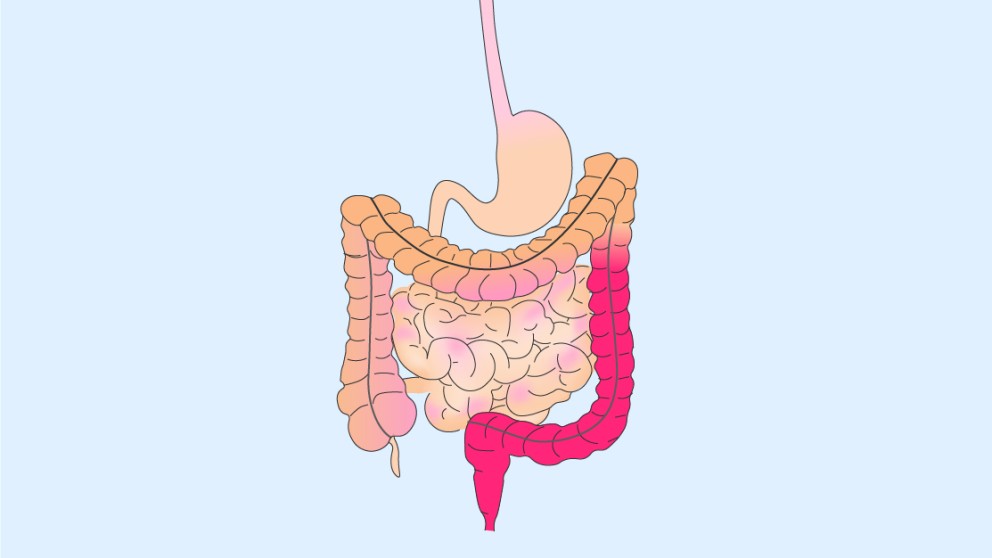
Ulcerative colitis (UC) is a lifelong inflammatory bowel disease (IBD) of unknown origin characterized by alternating flare and remission periods. An acute severe episode, so-called acute severe UC (ASUC), may happen in approximately one-quarter of patients during their life.1 Notably, more than 25% of ASUC episodes correspond to the index presentation of the disease. Patients with ASUC should be promptly identified by the modified Truelove and Witts criteria recommended by the most recent international guidelines and admitted rapidly to a digestive unit. Indeed, ASUC is a life-threatening condition still leading to a 1% death rate in Western countries. In the current article, we will discuss the most frequent and/or relevant mistakes in managing patients admitted for an ASUC episode and how to avoid them. The manuscript is based on the available evidence and expert opinion when evidence is lacking.

Mistakes in acute severe ulcerative colitis and how to avoid them

Mistakes in acute severe ulcerative colitis and how to avoid them

David Laharie

Topics

IBD

Citation

David Laharie. Mistakes in acute severe ulcerative colitis and how to avoid them. UEG Education 2023; 23: 19-21.

Published

2023
UEG Mistakes In Articles
Share via Email Share on Facebook Share on X Share on LinkedIn Share on Bluesky

Log in to access this content.

Free for all myUEG account holders. Your access level is set automatically based on your occupation. Medical professionals get full access to all content. If you are a non-medical user, you can only access UEG Week content from congresses you attended.

Log In Create a free account

Not sure what you can access? Learn more about account types.
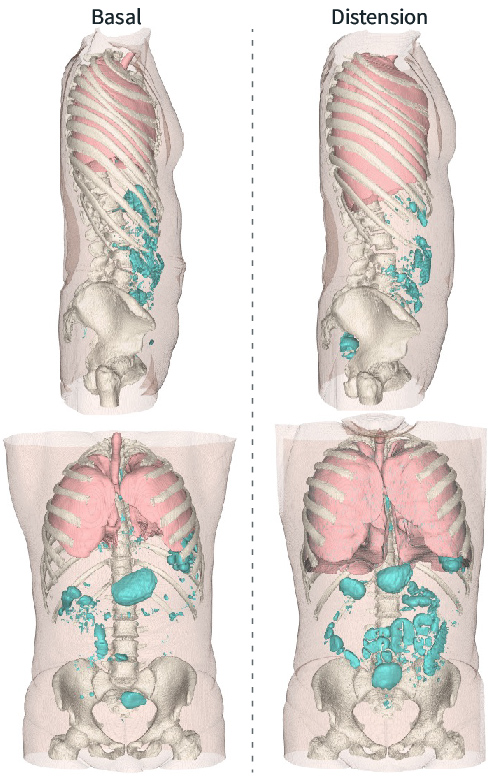
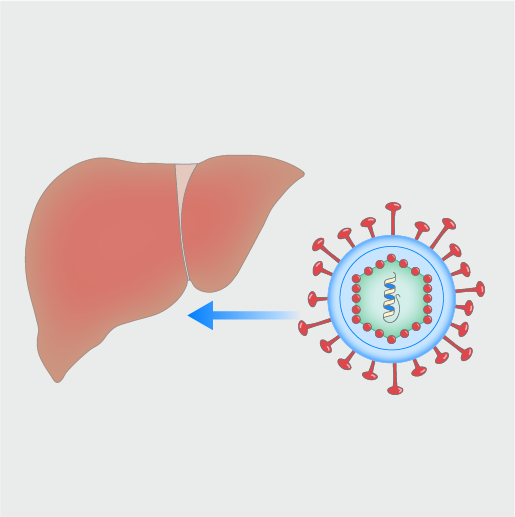
Hepatitis C virus (HCV) infection remains an important global health concern. It is estimated that there are approximately 50 million people infected with HCV globally, with around 1 million new infections each year and about 242,000 deaths annually attributed to HCV-related complications. Most acute HCV infections (55–85%) become chronic due to the virus’s effective evasion strategies, with spontaneous clearance being rare once chronicity is established. This condition often progresses silently, with many individuals unaware of their infection until advanced liver damage has occurred. If left untreated, HCV can lead to severe complications, including liver cirrhosis and hepatocellular carcinoma (HCC). HCV transmission occurs mainly through percutaneous exposure to infected blood. HCV can also spread from mother to infant (vertical transmission) and, less frequently, via sexual contact.1,2 In recent years, the introduction of oral direct-acting antivirals (DAAs), with remarkable safety and effectiveness profiles, has led to a sustained virological response (SVR) in virtually all (>97%) HCV-infected patients, regardless of HCV genotype or disease stage. However, significant barriers remain, such as issues with diagnosis, access to treatment and awareness of the disease.

Here, we discuss some of the misconceptions in HCV management and provide a practical management approach grounded in evidence and clinical experience.

Mistakes in hepatitis C and how to avoid them

Mistakes in hepatitis C and how to avoid them

Ana Catarina Garcia, Gonçalo Alexandrino

Topics

Hepatobiliary

Citation

Garcia A.C and Alexandrino G. Mistakes in hepatits C and how to avoid them. UEG Education 2025; 25: 14-17.

Published

2025
UEG Mistakes In Articles
Share via Email Share on Facebook Share on X Share on LinkedIn Share on Bluesky

Log in to access this content.

Free for all myUEG account holders. Your access level is set automatically based on your occupation. Medical professionals get full access to all content. If you are a non-medical user, you can only access UEG Week content from congresses you attended.

Log In Create a free account

Not sure what you can access? Learn more about account types.
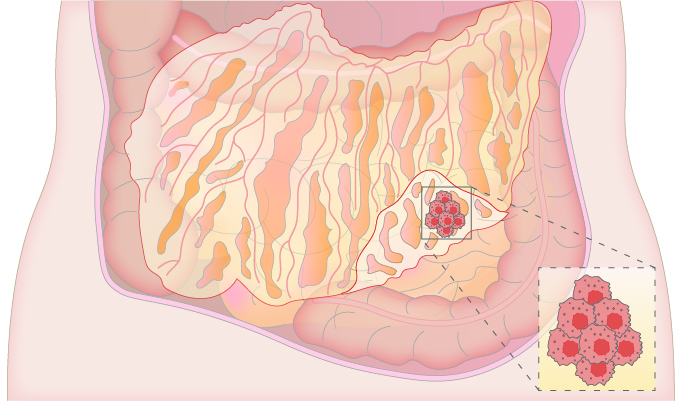
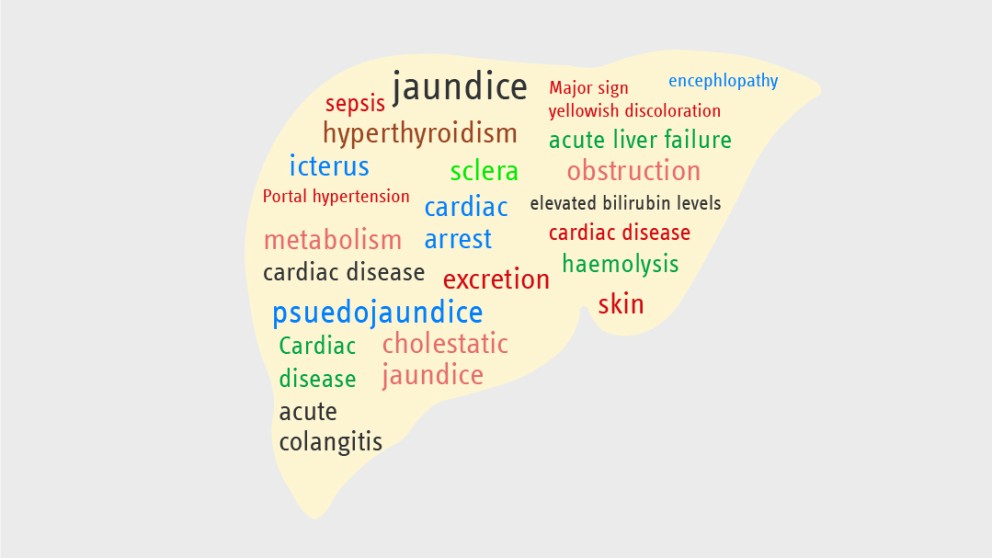
Jaundice can be caused by abnormalities in any of the steps comprising the formation, metabolism and excretion of bilirubin. In addition, these processes may be functioning properly, but jaundice can be seen because of an obstruction of the biliary tree at any point, from its intrahepatic origins to its end at the ampulla of Vater. For this reason, it is clear that numerous conditions can result in jaundice. When faced with a patient presenting with jaundice a reasonable and careful diagnostic approach is, therefore, warranted to elucidate the underlying cause of this sign. Conventional wisdom may be that “jaundice by itself never killed anyone,” but it is imperative to find the cause as soon as possible, as prompt intervention saves lives in many cases.

Mistakes in acute jaundice and how to avoid them

Mistakes in acute jaundice and how to avoid them

Spyridon Siakavellas, Georgios Papatheodoridis

Topics

Hepatobiliary

Citation

Siakavellas S and Papatheodoridis G. Mistakes in acute jaundice and how to avoid them. UEG Education 2018; 18: 24–26.

Published

2025
UEG Mistakes In Articles
Share via Email Share on Facebook Share on X Share on LinkedIn Share on Bluesky

Log in to access this content.

Free for all myUEG account holders. Your access level is set automatically based on your occupation. Medical professionals get full access to all content. If you are a non-medical user, you can only access UEG Week content from congresses you attended.

Log In Create a free account

Not sure what you can access? Learn more about account types.
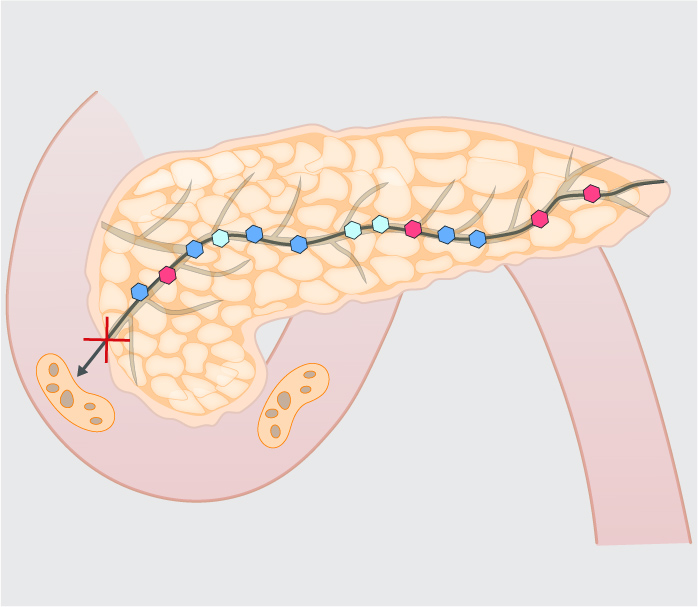
The complexity of managing inflammatory bowel disease (IBD) stems from the heterogeneity of Crohn’s disease and ulcerative colitis. This leads to differences in disease course, complications, and treatment responses among patients. Current treatment strategies rely on a trial-and-error approach, but there's a need for personalized therapy. Efforts have been made to develop reliable prognostic and predictive biomarkers to overcome disease heterogeneity. This article discusses common mistakes in biomarker development, interpretation, and application in IBD, emphasizing evidence-based insights and lessons learned from other fields.

Mistakes in biomarkers for IBD and how to avoid them

Mistakes in biomarkers for IBD and how to avoid them

James C. Lee, Chris Palmer-Jones

Topics

IBD

Citation

: Palmer-Jones C. and Lee J. C. Mistakes in biomarkers for IBD and how to avoid them. UEG Education 2023; 23: 8-11.

Published

2023
UEG Mistakes In Articles
Share via Email Share on Facebook Share on X Share on LinkedIn Share on Bluesky

Log in to access this content.

Free for all myUEG account holders. Your access level is set automatically based on your occupation. Medical professionals get full access to all content. If you are a non-medical user, you can only access UEG Week content from congresses you attended.

Log In Create a free account

Not sure what you can access? Learn more about account types.
Adequate nutrition is essential for the homeostasis of fluids and nutrients, growth and thriving, especially in children. While the underlying principle of percutaneous endoscopic gastrostomy (PEG) placement is the same for both adults and children—providing a means of enteral feeding through the stomach—the indications, considerations and techniques differ owing to anatomical differences, age-dependent physiological concerns, and the age- and disease-specific needs of the child.

If feeding via nasogastric tube (NGT) or naso-jejunal tube (NJT) is necessary for a prolonged time, placement of a PEG or percutaneous endoscopic gastro-jejunal (PEG-J) tube should be considered. A PEG tube also allows the delivery of medications and venting of the stomach when needed. Nutrition via PEG facilitates the transition to out-of-hospital care and improves the quality of life (QoL) for children and families while improving the outcome of children with chronic diseases.

There are recent clinical guidelines providing guidance for PEG tube placement in children, but little advice on, e.g., choosing the right device for the right patient, details on postoperative management, removal of the PEG tube and other specific cases. The following article provides a combination of evidence-based data and the authors’ clinical experience.

Mistakes in gastrostomy insertion in children and adolescents and how to avoid them

Mistakes in gastrostomy insertion in children and adolescents and how to avoid them

Christos Tzivinikos, Ilse Broekaert, Jorge Amil Dias, Matjaz Homan

Topics

Paediatrics Small Intestine & Nutrition Stomach & H. Pylori

Citation

Broekaert I.J, Dias J.A, Homan M and Tzivinikos C. Mistakes in gastrostomy insertion in children and adolescents and how to avoid them. UEG Education 2024; 24: 34-38.

Published

2024
UEG Podcast Episode
UEG Podcast
Share via Email Share on Facebook Share on X Share on LinkedIn Share on Bluesky

Log in to access this content.

Free for all myUEG account holders. Your access level is set automatically based on your occupation. Medical professionals get full access to all content. If you are a non-medical user, you can only access UEG Week content from congresses you attended.

Log In Create a free account

Not sure what you can access? Learn more about account types.
Ian Gralnek on UEG Week 2024

Ian Mark Gralnek, Egle Dieninyte - Misiune

Topics

Endoscopy

Published

2025
UEG Mistakes In Articles
Share via Email Share on Facebook Share on X Share on LinkedIn Share on Bluesky

Log in to access this content.

Free for all myUEG account holders. Your access level is set automatically based on your occupation. Medical professionals get full access to all content. If you are a non-medical user, you can only access UEG Week content from congresses you attended.

Log In Create a free account

Not sure what you can access? Learn more about account types.

Malnutrition frequently occurs in patients who have chronic liver disease and worsens their prognosis. There are multiple causes of malnutrition in the context of cirrhosis: low dietary intake, malabsorption, metabolic alterations and modification of substrate utilisation. Sarcopenia, which is defined by loss of muscle mass and function, is a major component of malnutrition in patients with cirrhosis. Sarcopenia adversely affects the number and severity of complications, quality of life, the outcome of liver transplantation and the overall survival rate of patients with advanced liver disease. Physicians should be aware of the clinical and prognostic relevance of nutritional status, how to promptly recognise malnutrition and sarcopenia in patients with liver cirrhosis and how to appropriately manage these conditions. Here we discuss some mistakes that are frequently made regarding nutrition in chronic liver disease, and we provide evidence and experience-based approaches to avoid them. 


Mistakes in nutrition in chronic liver disease and how to avoid them

Mistakes in nutrition in chronic liver disease and how to avoid them

Manuela Merli

Topics

Hepatobiliary Small Intestine & Nutrition

Citation

Merli M and Lapenna L. Mistakes in nutrition in chronic liver disease and how to avoid them. UEG Education 2021; 21: 23–25 

Published

2021

The global reference point for the digestive health community

Platform Publisher

United European Gastroenterology

Wickenburggasse 1 1080 Vienna, Austria

Contact us

support@ueg.eu

ueg.eu

T: +43 1 997 1639

Legal

Terms & Conditions

Imprint

Privacy Policy

Explore

My Bookmarks

My recommendations

My fields of interest

© 2026 United European Gastroenterology

Change fields of interest

These fields are selected based on the interests in your myUEG profile.
Click the item to unselect it. You can select multiple items.